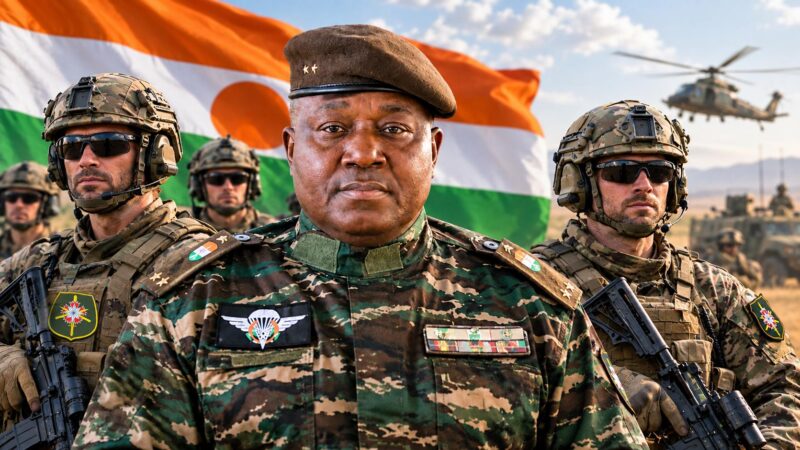
Tchad: resisting state repression amid growing authoritarianism
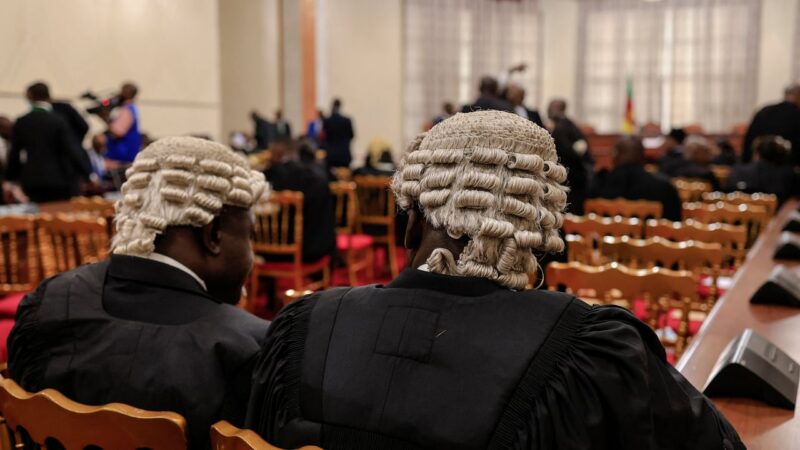
The recent sentencing of leaders from the Groupe de Concertation des Acteurs Politiques (GCAP), a leading coalition in the Chadian opposition, is far more than a judicial ruling. It exposes a harsh truth: a regime systematically silencing dissent and tightening its grip on democratic freedoms.
Since the Conseil militaire de transition (CMT) seized power in April 2021, Chad has witnessed a steady erosion of political liberties. This trend has been widely documented by national and international human rights organizations, which highlight a shrinking civic space and intensifying restrictions on fundamental freedoms.
Their reports underscore a pattern of state repression, with authorities systematically targeting opposition figures, activists, and independent media. The crackdown extends beyond political circles, affecting journalists, civil society leaders, and ordinary citizens who dare to voice dissent. Surveillance, arbitrary detentions, and judicial harassment have become standard tools in the government’s playbook.
For many observers, this escalation signals a deliberate strategy to eliminate political pluralism and consolidate power. The GCAP’s condemnation is the latest in a series of moves that have drawn sharp criticism from both regional and international actors. Yet, the authorities remain unmoved, dismissing such concerns as external interference.
In this climate of fear and repression, the question arises: how long can Chad’s fragile democratic institutions withstand this onslaught? The answer may depend on the resilience of civil society and the international community’s willingness to hold the regime accountable.
Relevant keywords