Senegal’s political landscape and Middle East crisis ahead of 2026
This week’s discussion focuses on two critical fronts: Senegal’s evolving political scene following a constitutional reform reversal and President Bassirou Diomaye Faye’s strategic maneuvers, alongside escalating tensions in the Middle East after a breakdown in ceasefire negotiations.
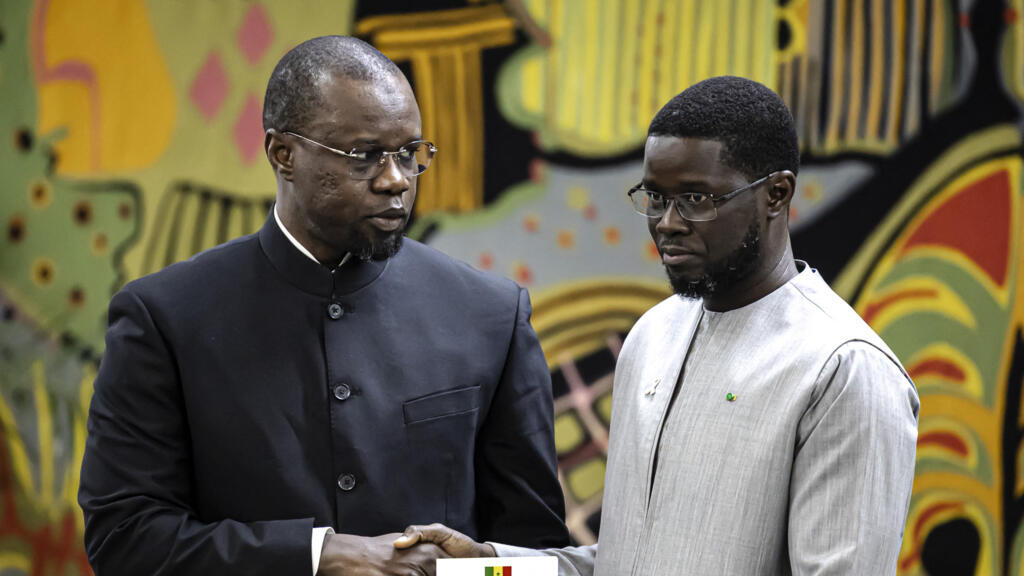
Senegal’s political arena is undergoing significant transformation. The establishment of a new presidential party and the constitutional council’s invalidation of a parliamentary reform championed by Pastef, led by Ousmane Sonko, have set the stage for President Bassirou Diomaye Faye’s strategic next steps. As these developments unfold, the critical question remains: Can these initiatives bridge divides with the opposition and consolidate public support?
Meanwhile, the Middle East crisis is intensifying once again. Following a fresh wave of strikes and counterattacks, Donald Trump’s declaration that the ceasefire is “over” has raised alarms. Calling negotiations with Tehran a “waste of time,” the U.S. President has hinted at impending military actions. Is the region on the brink of a renewed escalation?
African perspectives on global affairs take center stage in this week’s analysis. A panel of seasoned African journalists dissects the continent’s political and international dynamics, offering insights into these pressing issues.
Joining the discussion are:
- Wuldath Mama, Beninese journalist specializing in international affairs
- Eric Topona, Chadian journalist with Deutsche Welle’s Francophone Africa desk
- François Hiondi Nkam, lead reporter and Head of the Economics Department at Cameroon’s Le Jour newspaper