Senegal’s political landscape and rising global tensions
This week’s debate examines Senegal’s evolving political dynamics and the escalating conflicts in the Middle East. As President Bassirou Diomaye Faye advances his agenda, key legal rulings and strategic moves are reshaping the nation’s governance. Meanwhile, the Middle East remains a flashpoint, with tensions between the United States and Iran threatening regional stability.
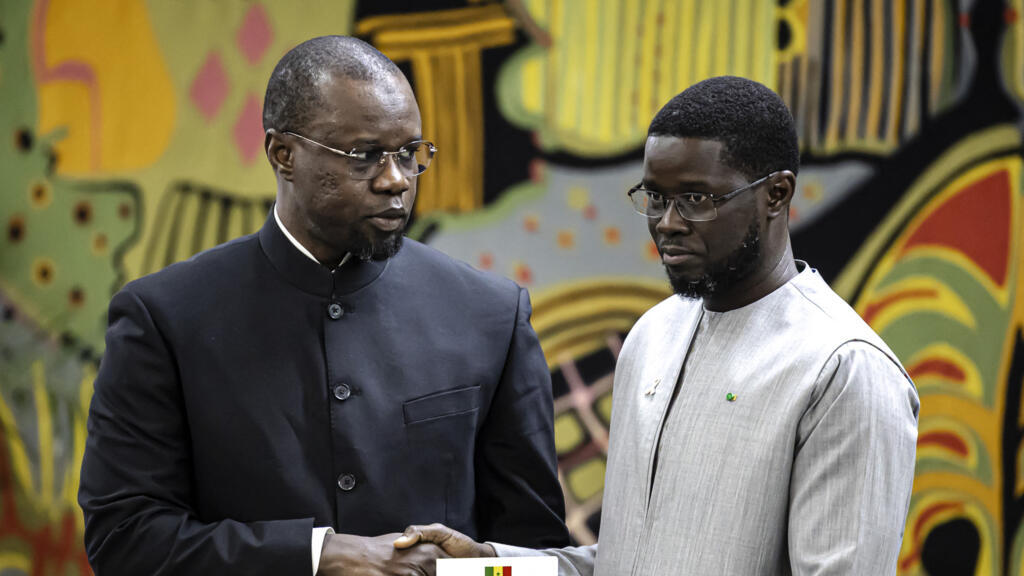
Senegal’s political chessboard: a new strategy unfolds
Following the establishment of a new presidential party and the Constitutional Council’s invalidation of a parliamentary reform championed by Ousmane Sonko’s Pastef coalition, President Bassirou Diomaye Faye is laying groundwork for a pivotal phase in his administration. The decision to invalidate the reform has triggered intense discussions about the future of Senegal’s governance and the broader implications for its political stability.
Will this bold strategy succeed in bridging divides with the opposition and winning public trust? The coming weeks will reveal whether Senegal’s leadership can navigate these challenges without deepening societal fractures. Analysts are closely monitoring the situation, as the outcome could redefine the country’s political trajectory.
Middle East tensions: a looming crisis?
The Middle East is once again on edge, with the latest escalation between the United States and Iran raising alarms. Recent military strikes and retaliatory actions have pushed the region to the brink, with former U.S. President Donald Trump declaring that the ceasefire is now “over.” His dismissive stance toward negotiations with Tehran signals a potential return to aggressive military posturing.
As the U.S. threatens further interventions, the specter of a broader conflict looms large. The international community watches with bated breath, questioning whether diplomacy can still avert a full-blown crisis. The stakes are high, and the stakes for regional stability have never been greater.
African perspectives on global challenges
This week’s discussion features African journalists and analysts dissecting the continent’s most pressing issues. Their insights provide a nuanced understanding of how Senegal and broader African nations are responding to these challenges, both at home and on the global stage.
The panel includes:
- Wuldath Mama, a Beninese journalist specializing in international affairs
- Eric Topona, a Chadian journalist with the Deutsche Welle’s Francophone Africa desk
- François Hiondi Nkam, a veteran reporter and economics editor at Cameroon’s Le Jour newspaper
Together, they offer a unique lens on the interplay between African governance and global geopolitics.
Looking ahead: Senegal and beyond
The unfolding events in Senegal and the Middle East underscore the delicate balance between domestic priorities and international obligations. As President Faye consolidates his strategy, the world is reminded of the fragile nature of peace and the importance of dialogue in resolving conflicts.
For Senegal, the path forward demands careful navigation—balancing political ambition with national unity. Meanwhile, the Middle East’s trajectory hinges on whether cooler heads can prevail before tensions spiral further. The coming months will be pivotal in shaping the futures of both regions.