Senegal’s political divide: Diomaye and Sonko’s deepening rift
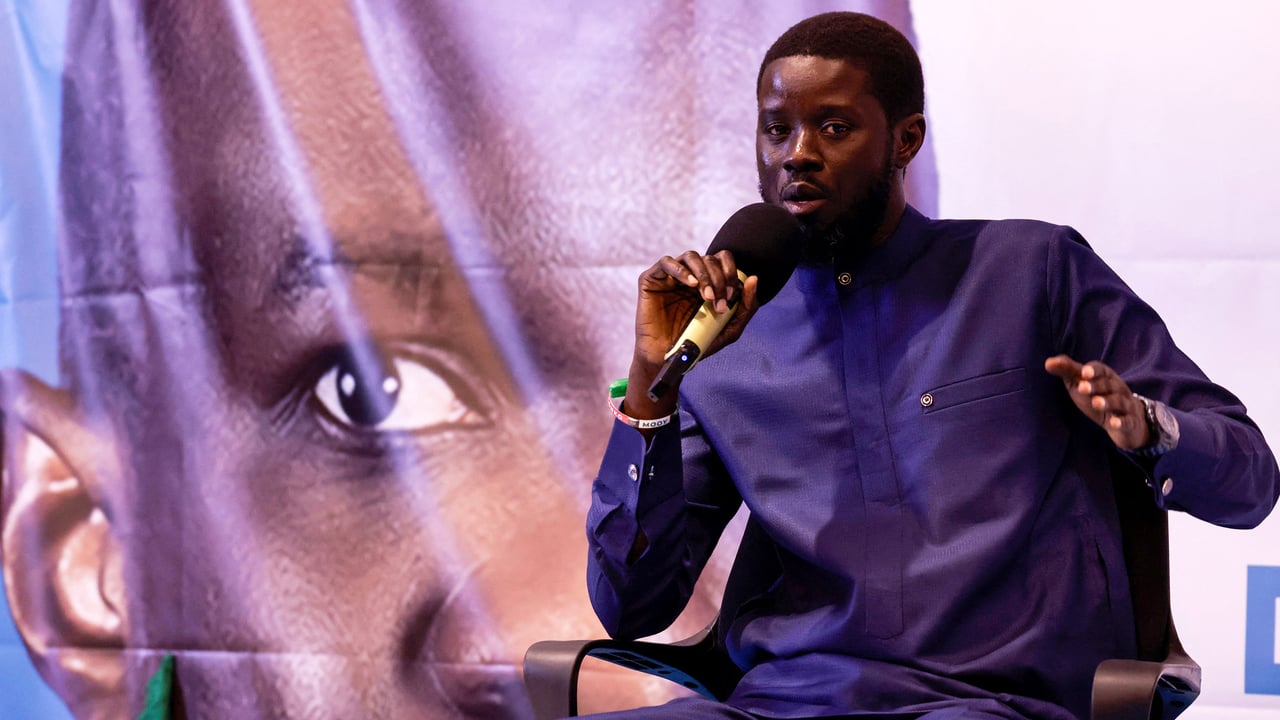
The political landscape in Sénégal has been shaken by growing tensions between two prominent figures: Bassirou Diomaye Faye and Ousmane Sonko. What began as a shared vision now reveals deep fractures, reshaping the nation’s future trajectory.

From allies to adversaries: the roots of conflict
Once united by a common cause, Bassirou Diomaye Faye and Ousmane Sonko now stand on opposing sides of a widening political chasm. Their journey, once intertwined, reflects the complexities of governance and leadership in Sénégal. The rift between them did not emerge overnight but evolved from years of diverging priorities and ambitions.
Early in their careers, both figures aligned under the banner of the PASTEF movement, advocating for systemic change. However, as power dynamics shifted, so did their relationship. Internal disagreements over policy direction and strategic decisions began to surface, planting the seeds of discord.
Policy clashes and power struggles
The differences between Diomaye and Sonko crystallized around key governance issues. While one prioritized economic reform and stability, the other emphasized radical transformation and social justice. These competing visions created friction within their movement, eventually leading to public disputes and a breakdown in communication.
Analysts point to Sonko’s uncompromising stance on certain reforms as a catalyst for the escalating conflict. His refusal to back down on controversial measures alienated some allies, including Diomaye, who favored a more pragmatic approach. The tension reached a boiling point when Diomaye publicly questioned Sonko’s leadership, marking a definitive split.
Impact on sénégalais politics
The fallout from this clash has sent ripples through Sénégal’s political scene. The PASTEF movement, once a beacon of hope for many, now faces internal fractures that threaten its unity. Supporters of both leaders are left grappling with disillusionment, as the promise of collective progress fades into uncertainty.
For the broader public, the feud underscores deeper questions about leadership and accountability. How did two figures once seen as partners become adversaries? What does this mean for the future of governance in Sénégal? These are questions that resonate far beyond the confines of the PASTEF movement.
Public reaction and media scrutiny
The media has played a pivotal role in amplifying the divide. Coverage of the conflict has fueled public debate, with opinions sharply divided. Some citizens express frustration at the infighting, while others see it as an inevitable consequence of political evolution. Social media platforms have become battlegrounds, with hashtags and viral posts shaping narratives on both sides.
As the situation unfolds, the need for reconciliation grows more urgent. The people of Sénégal deserve leaders who can work together to address pressing challenges—from economic inequality to regional security. Yet, the path forward remains uncertain, clouded by the shadow of this bitter rivalry.
Only time will tell whether Diomaye and Sonko can bridge their differences or if their clash will define a new era of political fragmentation in Sénégal.