Senegal’s parliament probes land management: does Diomaye Faye’s inner circle face a calculated counterattack?
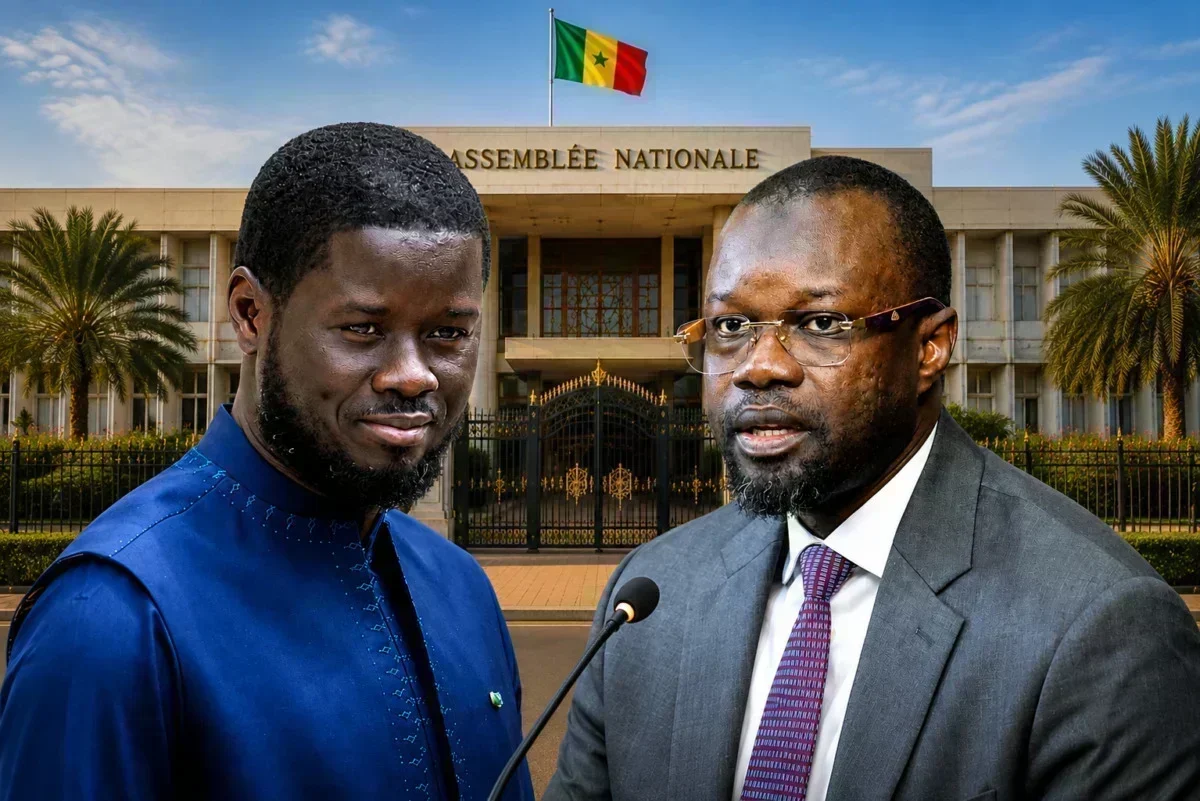
With a key presidential advisor declining to appear before the land management probe, Senegal’s political elite now faces a critical moment of reckoning. The fallout from this refusal is igniting fresh debates about transparency, institutional power, and the unspoken strategies shaping the nation’s future.
Behind the refusal: what does Demba Dieng’s no-show reveal?
Demba Dieng, former director of the Land Registry and senior advisor to President Bassirou Diomaye Faye, has declined to appear before the parliamentary commission investigating land management irregularities. The announcement, made public on October 15, raises immediate questions about the presidential entourage’s stance toward legislative oversight.
Unlike two former military officers from the DSCOS who cited their military status in declining to appear, Dieng gave no stated justification. This silence has fueled speculation: Was this a personal decision, or part of a coordinated strategy within the executive branch? While no official confirmation supports the latter, the lack of transparency only deepens public suspicion.
Is the executive shielding its ranks from accountability?
The refusal comes amid claims from former Higher Education Minister Daouda Ngom, who announced he would comply with his own summons. Ngom also asserted that six current or former ministers had refused to appear—but provided no names or verification. Neither the commission nor the individuals named have confirmed these claims.
At the heart of the controversy lies a crucial constitutional question: Does Senegal’s president hold authority to authorize or block the appearance of senior advisors before parliament? Despite the speculation, no official rule has been confirmed, and no statement has been issued by the presidency.
The widening fallout: political and economic stakes
As the parliamentary commission continues its inquiry, uncertainty looms over the next steps. Each refusal is treated as a presumption of good faith, but the refusal itself does not determine guilt or innocence. Still, the broader implications are undeniable: a growing institutional standoff risks undermining public trust in both the executive and the legislature.
The commission has vowed to proceed with its mandate, but with each new refusal, the pressure mounts—on the assembly to respond, on the executive to clarify its stance, and on civil society to demand answers. Whether this marks the beginning of a broader crisis or a necessary correction of course remains to be seen.
What’s next for Senegal’s political landscape?
- Immediate inquiries: Will the commission subpoena additional witnesses or escalate legally?
- Public pressure: Social and political actors are increasingly vocal about demanding transparency.
- Institutional balance: Can the assembly assert its authority without triggering a deeper political rupture?
The coming days will be decisive. With every unanswered summons, the gap between executive protection and legislative scrutiny widens—and the nation watches closely to see who emerges on the right side of history.