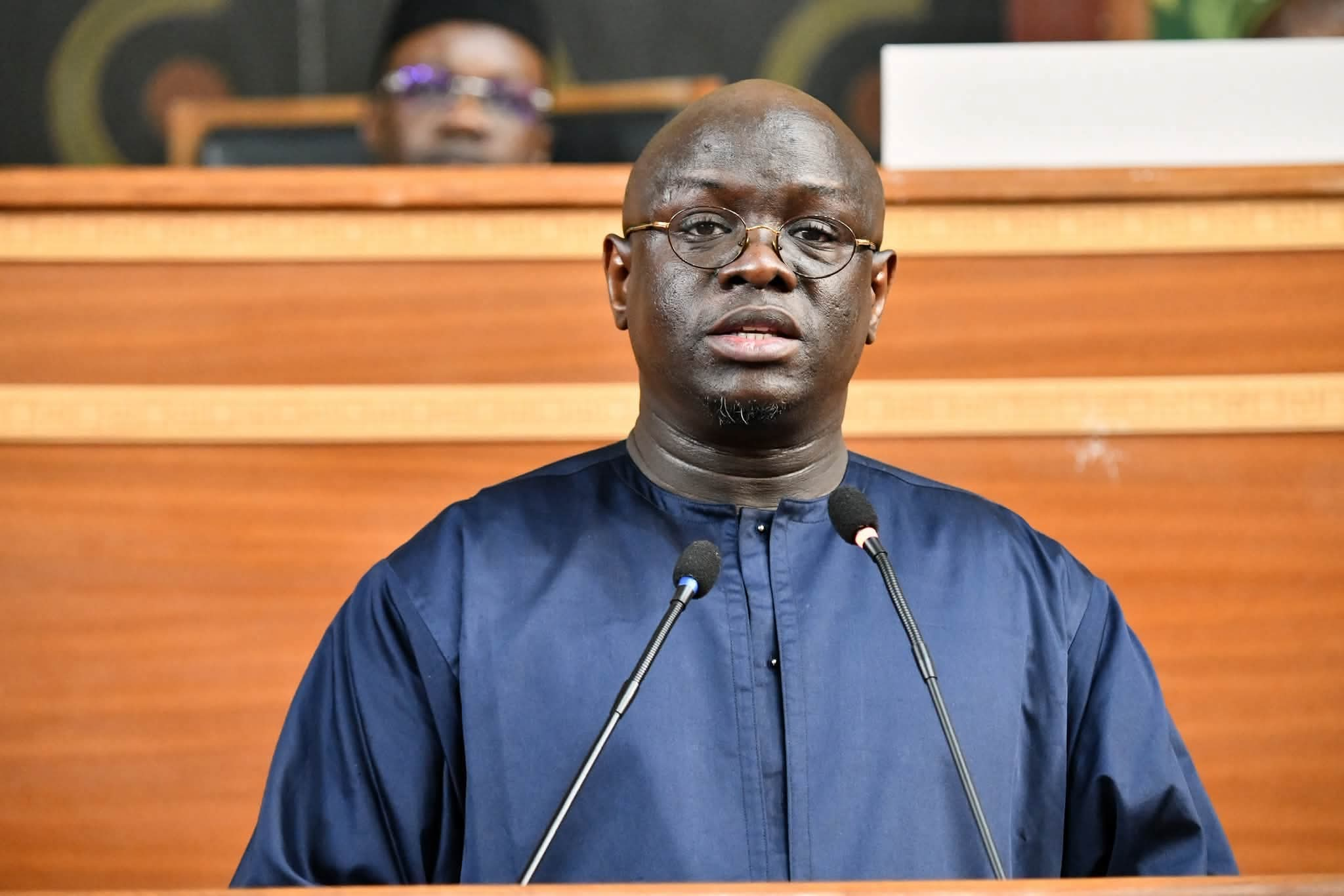
The anticipated vote on Senegal’s 2026 Supplementary Finance Bill (PLFR) has been postponed indefinitely. In a move that sent ripples through the nation’s economic circles, Finance Minister Cheikh Diba requested the bill’s referral to a parliamentary committee for further review. This decision comes amid growing discontent over the government’s fiscal strategy and its potential consequences for citizens and local enterprises.
Why the postponement puts pressure on Senegal’s economic outlook
Under parliamentary rules, Minister Diba invoked Article 84 of the National Assembly’s procedural guidelines to justify the delay. The move allows lawmakers more time to scrutinize the bill’s clauses, particularly its provisions affecting revenue generation and public spending. With national debt levels already a concern, this pause adds uncertainty to next year’s budget planning.
The Speaker of the National Assembly, Ousmane Sonko, accepted the government’s request and announced the convening of a leadership conference to reschedule parliamentary deliberations. This step reflects a broader attempt to reconcile differing views on fiscal policy before final adoption.
Business leaders and taxpayers are closely monitoring the situation, as delays in budget approval can disrupt public investment, slow down infrastructure projects, and create volatility in financial markets.
What the budget debate means for ordinary Senegalese
The supplementary budget aims to adjust allocations in response to changing economic conditions. However, the delay has left citizens and small business owners in a state of uncertainty about upcoming tax obligations, social benefits, and government services.
- Taxpayers: Concerned about potential increases in levies that could further strain household budgets, especially in the context of rising living costs.
- SMEs and entrepreneurs: Facing uncertainty around access to credit and public contracts, which are often tied to government spending schedules.
- Civil servants: Worried about delays in salary disbursements or adjustments, which could impact household consumption and local trade.
Without a clear timeline for resolution, the delay risks undermining public confidence in fiscal governance and could slow economic recovery efforts.
Parliament’s role in shaping fiscal responsibility
The decision to send the PLFR 2026 to committee underscores the legislature’s constitutional duty to ensure transparent budget execution. While the government emphasizes dialogue, opposition voices have called for greater scrutiny of spending priorities, particularly in health, education, and rural development.
The upcoming committee hearings are expected to focus on:
- balancing revenue targets with social spending needs;
- ensuring fiscal discipline in a high-debt environment;
- promoting inclusive economic policies that benefit all regions of Senegal.
With stakeholders across the spectrum pushing for clarity, the outcome of these negotiations will shape Senegal’s economic trajectory for years to come.