Russia’s growing influence in West Africa via military ties with Sahel states
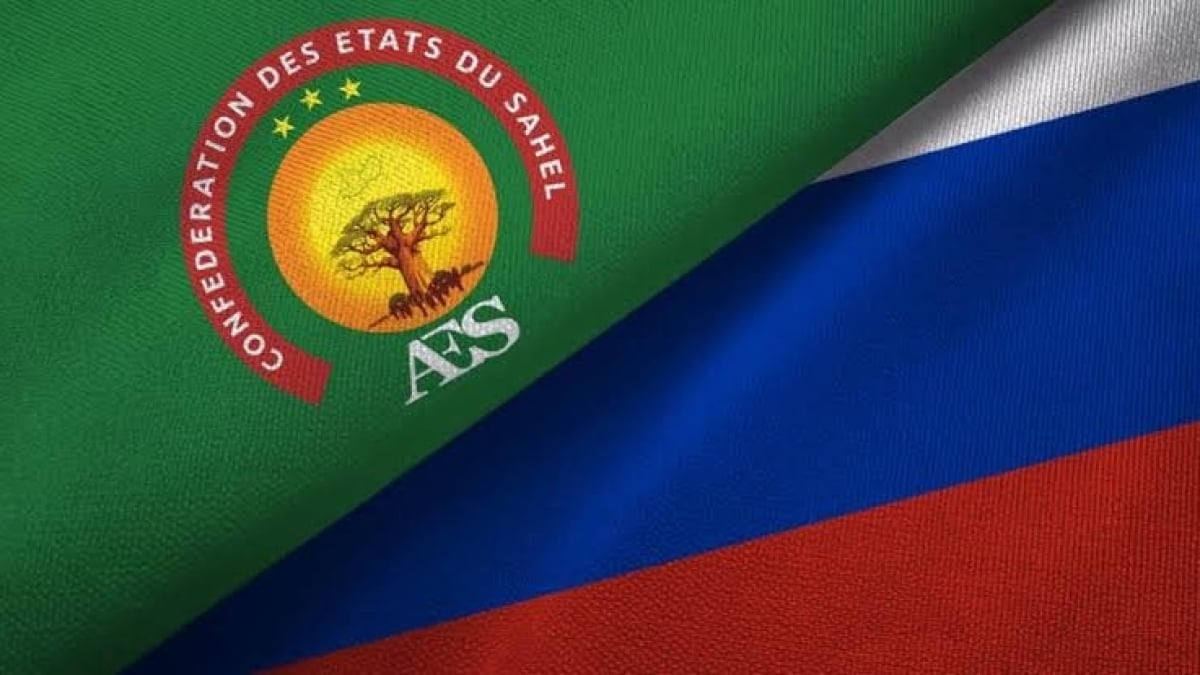
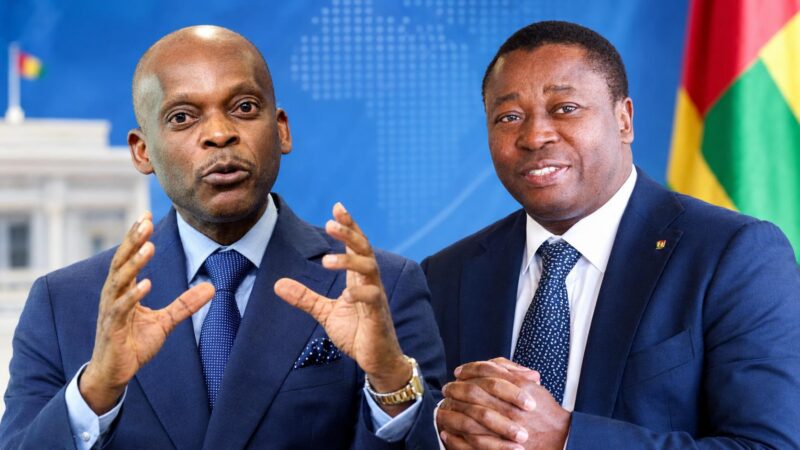
The Russian Federation is deepening its military collaboration with the Alliance of Sahel States (AES), comprising Mali, Burkina Faso, and Niger. High-level discussions on this strategic partnership were formalized during a meeting in Niamey, Niger, between Russian Foreign Minister Sergey Lavrov and senior representatives of the AES.
Both sides reaffirmed their commitment to bolstering defense cooperation, with a shared focus on combating violent extremism and addressing the region’s persistent security vulnerabilities. The agreement underscores Moscow’s strategic pivot toward West Africa, particularly as the three Sahel nations recalibrate their international alliances.
Military cooperation as a stepping stone for regional influence
This military rapprochement marks a pivotal moment in Russia’s expanding footprint across the Sahel, where Mali, Burkina Faso, and Niger have progressively distanced themselves from traditional Western partners such as France. The shift reflects a broader geopolitical realignment, driven by mutual interests in counterterrorism and regional stability.
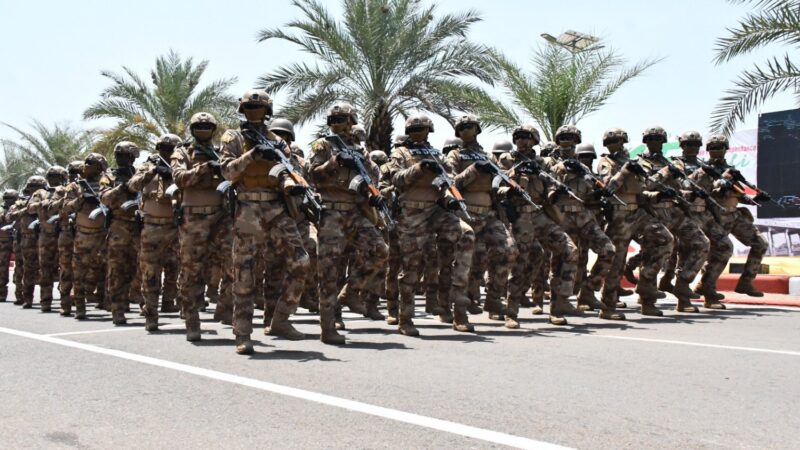
Under the initiative, Russia has intensified its military presence in the region through the deployment of the Russian Army Corps in Africa. This newly established force, created by the Russian Ministry of Defense, replaces the former role of the Wagner Group, which previously operated in several African states.
Challenges beyond security: addressing the roots of instability
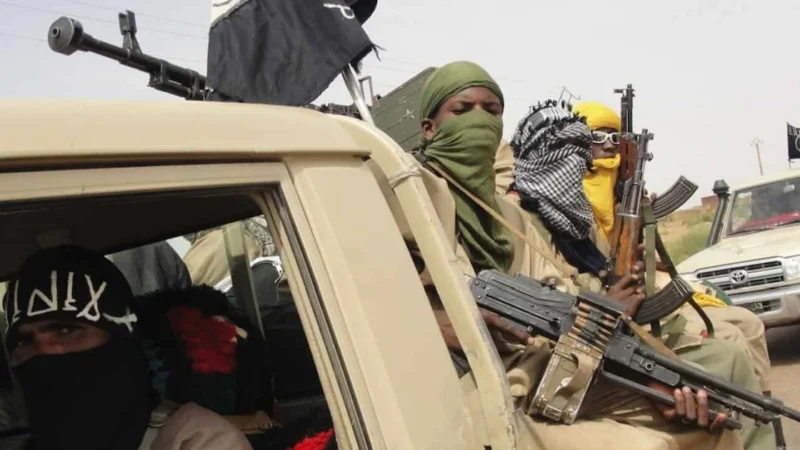
While enhanced military cooperation may offer immediate gains in combating armed extremist groups, analysts caution that it does not resolve the systemic issues fueling instability in the Sahel. Key concerns include weak governance, chronic poverty, climate-induced resource scarcity, and the unchecked proliferation of armed factions.
The AES was established by Mali, Burkina Faso, and Niger in September 2023 under a mutual defense pact. It has since evolved into a broader alliance aimed at fostering political, economic, and military integration among its members.
Strategic withdrawal and regional realignment
In early 2025, the three member states withdrew from the Economic Community of West African States (ECOWAS). Concurrently, they launched a joint initiative to form a 5,000-strong regional military force. This force is designed to enhance counterterrorism efforts and secure national borders across the Sahel.
The convergence of these developments signals a transformative phase in West African security dynamics, with Russia positioning itself as a key partner in the region’s evolving security architecture.