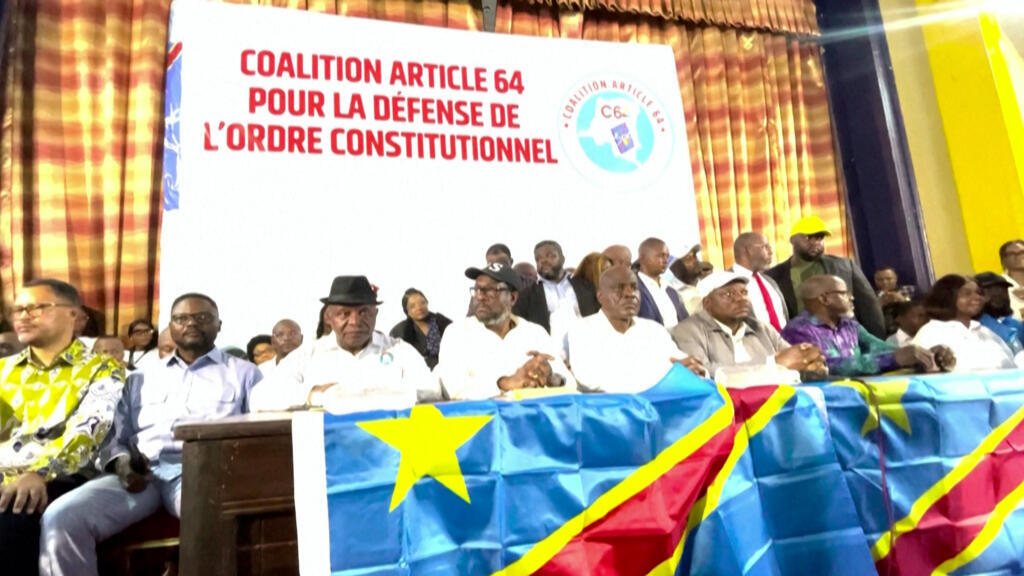
The uneasy calm that settled over Kinshasa for the past month was shattered this week as the ultimatum issued to President Félix Tshisekedi to convene a national dialogue expired on August 15. The Congolese head of state has since announced plans to address the nation on Sunday, outlining the framework of the proposed dialogue. Meanwhile, the C64 opposition coalition has called for nationwide demonstrations on September 15, raising concerns about a potential escalation in political hostilities.
What unravelled over the past 30 days?
After weeks of reduced confrontation, political tempers flared again when the opposition alliance C64 set a 30-day deadline for President Tshisekedi to initiate a comprehensive national dialogue. The ultimatum elapsed without concrete action, prompting the coalition to urge citizens to take to the streets in protest. The president’s delayed response has only deepened public scepticism about his commitment to inclusive governance.
Government response and public sentiment
President Tshisekedi’s upcoming address to the nation is seen as a critical moment to clarify the government’s stance on the dialogue process. Speculation is rife about whether his speech will offer concessions to the opposition or harden positions on both sides. The C64 coalition, representing a broad spectrum of political figures, has framed the September 15 protests as a peaceful call for accountability and reform, but fears of unrest linger.
Key players in the standoff
- President Félix Tshisekedi: Under pressure to demonstrate leadership and avert further instability.
- C64 coalition: A united front of opposition forces demanding immediate dialogue and democratic reforms.
- Civil society: Watching closely as tensions threaten to derail progress toward stability.
What’s at stake?
The looming demonstrations and president’s delayed response have cast a shadow over the Democratic Republic of the Congo’s fragile political climate. A misstep in communication or escalation in protests could plunge the nation into deeper turmoil, undermining recent efforts toward reconciliation.
As the political landscape in the Democratic Republic of the Congo grows increasingly volatile, all eyes are on President Tshisekedi’s address and the opposition’s planned protests. The coming weeks will test the nation’s resolve to navigate these challenges without descending into further unrest.