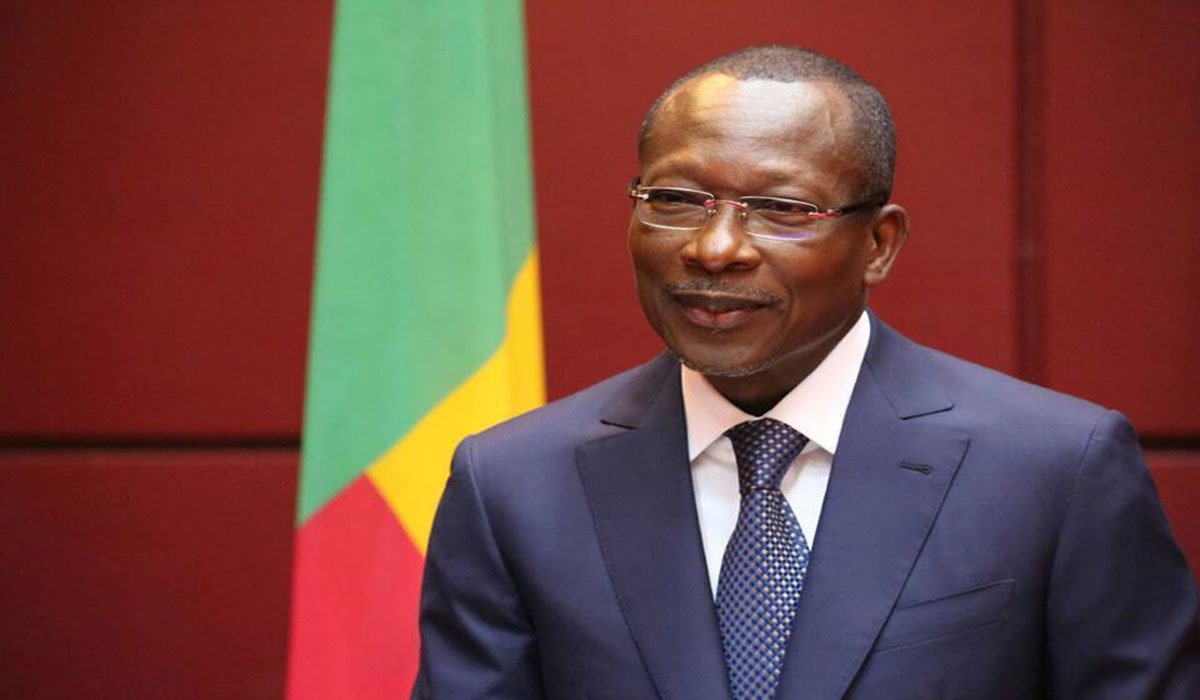
The political history of Bénin reached a historic milestone on August 6, 2026, when the newly formed upper house of Parliament convened at the Palais des Gouverneurs in Porto-Novo. In a decisive move, legislators elected Patrice Talon—the former president who governed from 2016 to 2026—to lead the Senate, marking the nation’s first bicameral parliamentary era.
With a decade of executive leadership behind him, Talon has defied expectations by re-entering the political arena not as a retired figure, but as a key institutional player, proving that in West Africa, the path after the presidency can lead back to the heart of governance.
From Marina Palace to the Senate Chamber
Talon’s election to the Senate presidency, secured with overwhelming support, represents the culmination of constitutional reforms that restructured Bénin’s political architecture. The Senate, composed of 25 members including former heads of state as ex-officio members, was designed to serve as a stabilizing force and guardian of national unity.
- A chamber of moderation: Beyond its legislative duties, the Senate is intended to act as a moderating body, ensuring balanced governance and long-term policy continuity.
- Guardian of democratic balance: By assuming leadership of the Senate’s permanent bureau, Talon retains significant political influence, positioning himself as a stabilizing voice amid institutional transitions and legislative debates.
Can leadership continue beyond the executive? Talon’s case offers an answer
In a continent where political transitions often spark instability or prolonged power grabs, Talon’s career path stands out. His trajectory underscores three defining principles:
- Respect for constitutional limits: By stepping down after two full terms, he reinforced Bénin’s tradition of peaceful power transfer, setting a benchmark for democratic governance in the region.
- Legislative reinvention: Instead of pursuing international roles or private ventures, he chose to channel his influence through the legislative branch, institutionalizing his continued role in shaping the nation’s future.
- A statesman’s role in governance: Within the Senate, surrounded by other national icons, Talon now serves as a moderator of reforms and a custodian of stability, ensuring continuity amid political shifts.
What Patrice Talon’s Senate presidency means for Bénin
The August 6, 2026 election of Patrice Talon as Senate President signals a new chapter in African governance: the recognition that former presidents can contribute meaningfully to national progress without occupying the executive office. This evolution reflects a growing maturity in regional leadership—a development worth monitoring across West Africa.