Tuesday, November 3
After Tagadayat massacre: Mali’s security crisis sparks urgent national debate
News

After Tagadayat massacre: Mali’s security crisis sparks urgent national debate

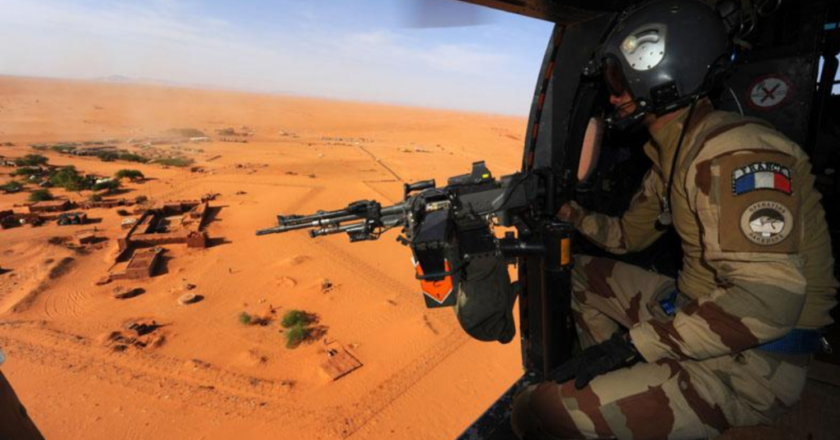
The discovery of 54 bodies in the village of Tagadayat, just 35 kilometers southeast of Ménaka, has ignited a firestorm of debate across Mali. The gruesome find, attributed to armed jihadist attacks, is being seen as the latest symptom of the Malian state’s crumbling ability to safeguard its most vulnerable citizens in the northern Sahel. How 54 civilian deaths exposed Mali’s deepest security fault lines The tragedy at Tagadayat is more than a grim statistic. It is a brutal reminder of how the Malian government’s security apparatus is failing to protect civilians in remote and contested areas. While military operations may temporarily displace armed groups, they have not translated into sustainable safety for rural communities. In regions like Ménaka, where government presence is thin and...
Togo’s phosphate dilemma: UEMOA’s fertilizer plan sparks mixed reactions amid funding challenges
Economy

Togo’s phosphate dilemma: UEMOA’s fertilizer plan sparks mixed reactions amid funding challenges

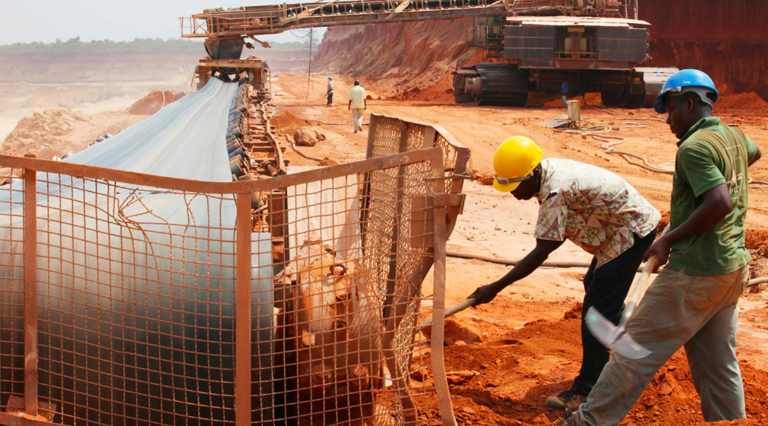
The future of West African agriculture could hinge on a single mineral: phosphate. And Togo, a country with deep reserves of this critical resource, finds itself at the center of a high-stakes industrial gamble led by the West African Economic and Monetary Union (UEMOA). But as the union pushes ahead with a $2.4 billion fertilizer project spanning 2026-2030, the reaction from stakeholders, financial backers, and local communities is anything but unanimous. From regional ambition to industrial reality: the UEMOA phosphate push The UEMOA is not just talking about change—it’s staking $2.4 billion (1,452.5 billion West African CFA francs) to turn phosphate into a regional game-changer. With a focus on creating value-added fertilizer production, the initiative aims to reduce West Africa’s hea...
Senegal’s revised budget battle: can the government bridge the parliamentary divide?
Politics

Senegal’s revised budget battle: can the government bridge the parliamentary divide?

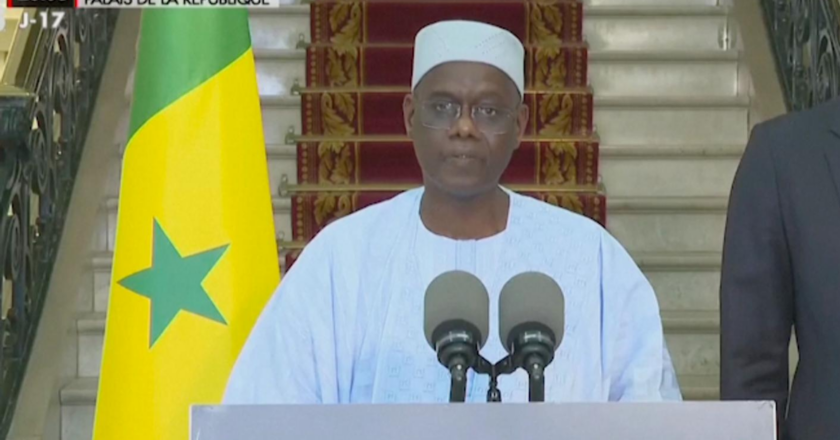
Parliamentary tension escalates as revised finance bill faces resistance The Senegalese government is grappling with an unprecedented challenge as its revised budget proposal stumbles over internal dissent within its own parliamentary ranks. Prime Minister Ahmadou Al Aminou Lô is racing against time to salvage the finance bill amid growing signs of discontent among the ruling Pastef party’s MPs ahead of a critical vote. From commission rejection to full parliamentary showdown A powerful warning shot was fired on Friday, October 23, when the Pastef-led parliamentary commission overwhelmingly rejected the revised finance bill. This setback, occurring just days before the plenum vote scheduled for Tuesday, October 27, has placed the government in an unenviable position. With the party holdin...
Cameroon’s risky oil import gamble with traders: what’s at stake for Yaoundé?
Economy

Cameroon’s risky oil import gamble with traders: what’s at stake for Yaoundé?

The high-stakes meeting in Yaoundé on October 20, 2026, between Cameroon’s Minister of Water and Energy, Gaston Eloundou Essomba, and a trading delegation led by Cédric Ketchanga of KC Trade International, has ignited intense debate over the future of the country’s oil import strategy. The proposal centers on an untested "Open account 100%" financing model, where shipments arrive before payment is due—a radical departure from traditional trade norms in the oil sector, where documentary letters of credit dominate to minimize risk. Behind the financing model: a tightrope walk for Cameroon’s treasury The proposed "Open account 100%" scheme would see crude and refined products delivered to Cameroon upfront, with payment deferred indefinitely. While such arrangements are commonplace in the Eur...
Bénin’s new Afro-descendant citizens spark global debate on economic revival potential
Society

Bénin’s new Afro-descendant citizens spark global debate on economic revival potential

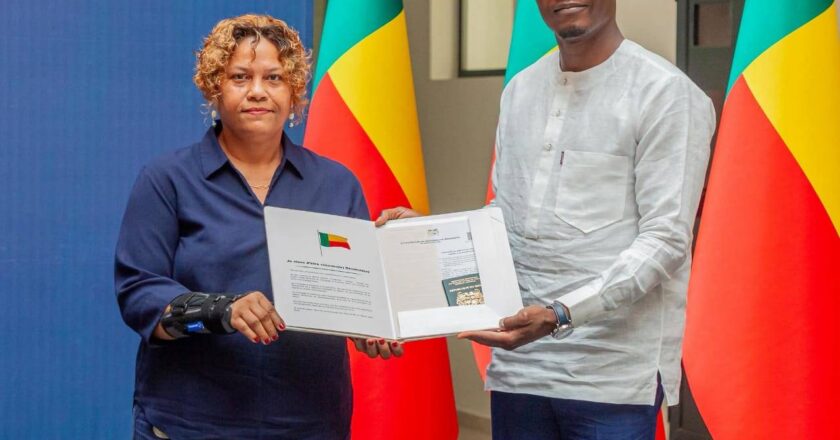
The recent conferment of Beninese citizenship to 53 Afro-descendants has ignited intense public discourse about the nation's economic trajectory. As observers analyze this historic move, questions persist about its practical implications for West Africa's developing economy. The decision, celebrated by some as a cultural milestone, now faces scrutiny regarding its tangible benefits for local businesses, tourism, and workforce development. With diplomatic and economic implications far beyond Benin's borders, the initiative has become a focal point for discussions on diaspora engagement as a catalyst for growth. From symbolic gesture to economic catalyst: the diaspora connection Benin's latest nationality grants represent more than cultural reconciliation—they carry potential economic trans...
Niger’s refoundation charter sparks legal debate over Algeria troop deployment
News

Niger’s refoundation charter sparks legal debate over Algeria troop deployment

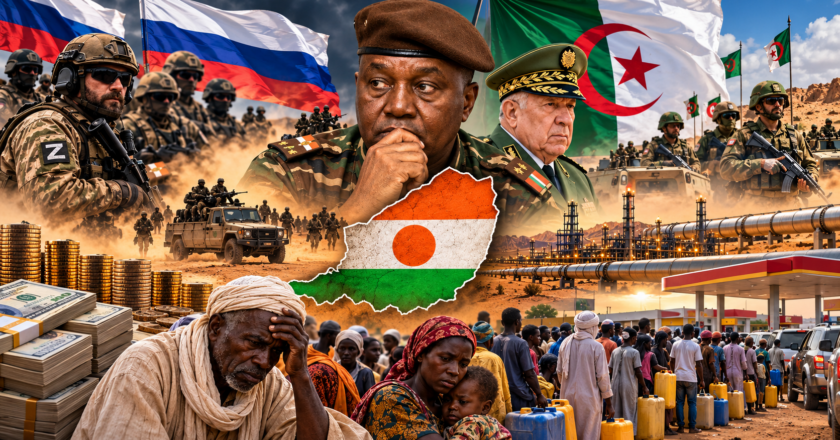
The recent approval of Algeria’s military deployment to Niger has ignited a heated debate over whether Niamey followed the legal procedures outlined in its own constitutional charter. As Algerian troops prepare to enter Niger, the public is demanding clarity on whether the government consulted citizens or invoked emergency powers—raising questions about democratic accountability in security agreements. The stakes are high: the decision impacts Niger's sovereignty, security cooperation, and the legitimacy of its landmark 2025 Charter of Refoundation, which explicitly requires public consultation before foreign troops can operate on its soil. With regional instability persisting, the controversy extends beyond legal technicalities—it tests the credibility of Niger’s post-coup institutions a...
Niger’s explosive claim on Pascal Tigri: what the public disclosure reveals and what remains unverified
News

Niger’s explosive claim on Pascal Tigri: what the public disclosure reveals and what remains unverified

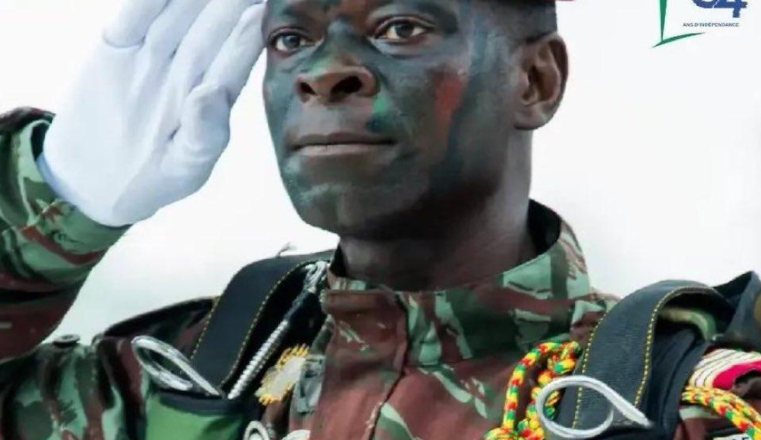
The sudden broadcast of a high-ranking Nigerian police testimony on national television has ignited a regional firestorm, casting fresh light on the whereabouts of fugitive colonel Pascal Tigri—accused of masterminding an attempted coup in Benin last December. But as the dust settles, the burning question remains: does the explosive claim actually hold water, or is it fueling dangerous speculation with little substance behind it? Behind the televised testimony: what Habibou Oumarou Mamane disclosed The statement, delivered on October 23, 2026, by Inspector Habibou Oumarou Mamane of Niger’s police force—popularly known as “The Rebel”—was aired live on national television. According to the transcript, the inspector claims he was tasked since February 27, 2026, with locating Colonel Tigri, a...
Niger’s military rulers face growing criticism as sovereignty claims falter three years post-coup
Politics

Niger’s military rulers face growing criticism as sovereignty claims falter three years post-coup

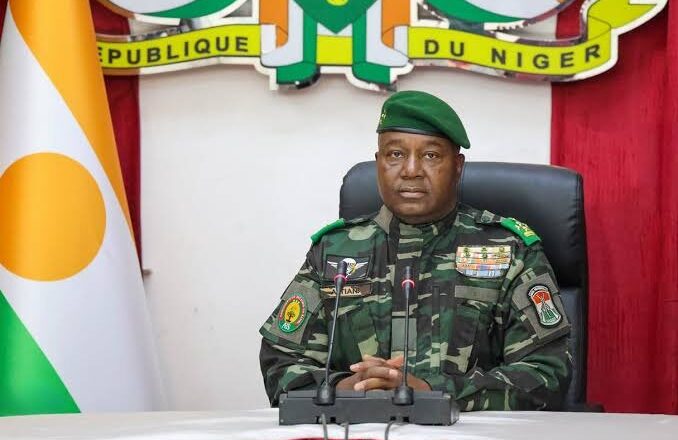
From promises of change to a sovereignty paradox in Niger The National Council for the Safeguarding of the Homeland (CNSP) justified its July 26, 2023 coup by citing worsening security threats, poor governance, and what it described as the loss of sovereignty under democratically elected President Mohamed Bazoum. Yet over three years later, the reality on the ground tells a starkly different story: rather than resolving these issues, the military regime has not only perpetuated the problems it condemned but has deepened them across multiple fronts. Ambiguous alliances erode promised sovereignty The withdrawal of French and American troops was heralded as a cornerstone of restored sovereignty. However, Niamey’s subsequent pivot toward opaque international partnerships has raised troubling ...
Niamey’s fuel emergency: why Algeria’s 3.75 million liter shipment sparks financial and logistical debate
Economy

Niamey’s fuel emergency: why Algeria’s 3.75 million liter shipment sparks financial and logistical debate

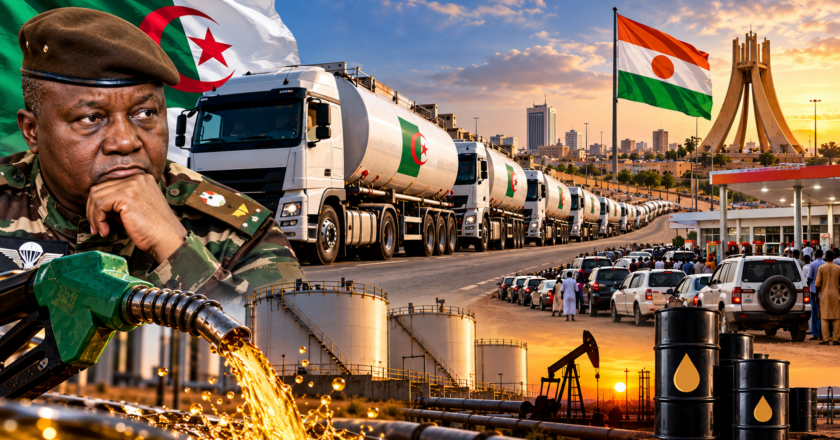
Niamey’s recent fuel crisis has intensified public scrutiny after reports emerged that 150 Algerian tankers originally slated for Agadez were rerouted to the capital, raising questions about cost, logistical priorities, and long-term energy security. The shipment, totaling 3.75 million liters, arrives at a critical moment for Niger’s fuel supply chain, which has struggled with persistent shortages and price volatility. While officials have not confirmed the final destination of all tankers, the shift has ignited debate over whether the decision reflects an emergency response or a deeper recalibration of the country’s fuel procurement strategy.From Agadez to Niamey: why the fuel shipment changed courseThe 150 tankers, each carrying 25,000 liters of fuel, were initially part of an agreement ...
Cameroon on high alert as Ebola threat looms from Nigeria
Top Stories

Cameroon on high alert as Ebola threat looms from Nigeria

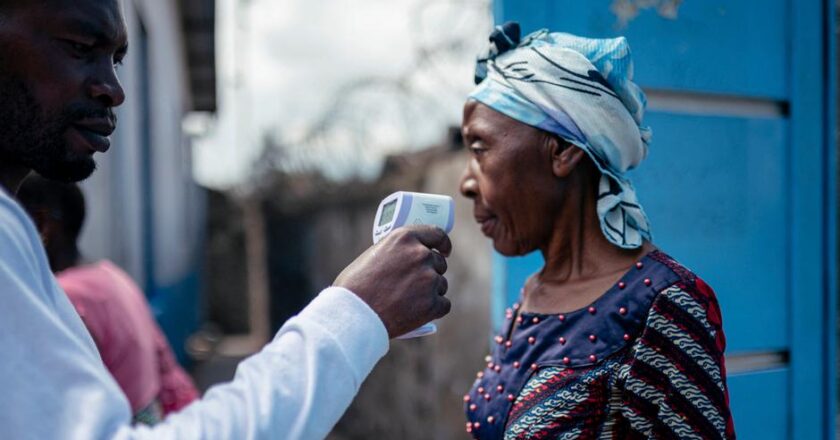
The discovery of an Ebola case in neighboring Nigeria has set off alarm bells across Cameroon, where health authorities are scrambling to prevent a potential outbreak. With public health already stretched thin by a severe cholera crisis in the Far North region, the country now faces a daunting double challenge: protecting its borders while reinforcing its fragile healthcare infrastructure. Residents like Aurélien Ngouffo, an agronomist based in Yaoundé, express deep skepticism about the nation’s preparedness. "How do you stop cross-border movement when human flows are impossible to control? Only divine intervention can save us now," he says, questioning the feasibility of strict border controls. His concerns reflect a broader public unease as Cameroon grapples with the looming threat of E...
Benin-UAE CEPA sparks mixed reactions as analysts question long-term impact on west African trade
News

Benin-UAE CEPA sparks mixed reactions as analysts question long-term impact on west African trade

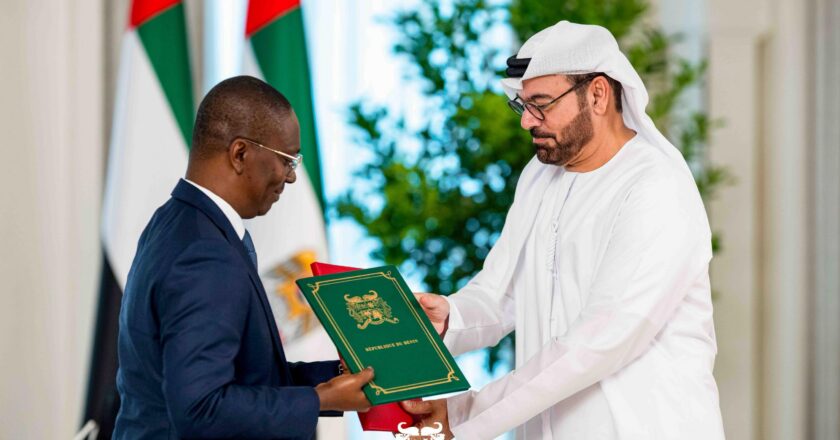
After the ink dries: what the CEPA deal means for Benin and the UAE With a flourish of golden ink and the flash of cameras in Abu Dhabi, the Comprehensive Economic Partnership Agreement (CEPA) between Benin and the United Arab Emirates sealed a new chapter in their bilateral ties. But as the applause fades, economists, traders and civil society groups are sharpening their scrutiny, dissecting the fine print to predict how this pact will reshape regional trade flows, daily livelihoods and geopolitical alignments across West Africa and the Gulf. Breaking down the CEPA: duty-free aisles and new corridors for services The agreement is more than a handshake across continents; it is a detailed roadmap of economic integration. Key elements include: Tariff abolition corridor: a staggered sche...
Niger’s shifting security strategy: Algeria steps in as costs and benefits come under scrutiny
Uncategorized

Niger’s shifting security strategy: Algeria steps in as costs and benefits come under scrutiny

As Niger grapples with mounting security challenges and the limitations of its military partnerships, the government of General Abdourahamane Tiani has turned to Algeria for support a move that has intensified public debate over the true costs and long-term implications of Niamey’s strategic realignment. With the Algerian Parliament’s recent authorization to deploy troops to Niger, the spotlight is now on the motivations behind this alliance, the transparency of the agreements, and the potential financial burden on a population already struggling with economic hardship and ongoing insecurity.Algeria’s military intervention: a strategic shift or a desperate move?On October 25, 2026, Algeria’s Parliament made a historic decision by approving the deployment of units from the Algerian People’s...