Tuesday, November 3
Mali faces mounting scrutiny after military admits civilian deaths but withholds key details
Actualités

Mali faces mounting scrutiny after military admits civilian deaths but withholds key details

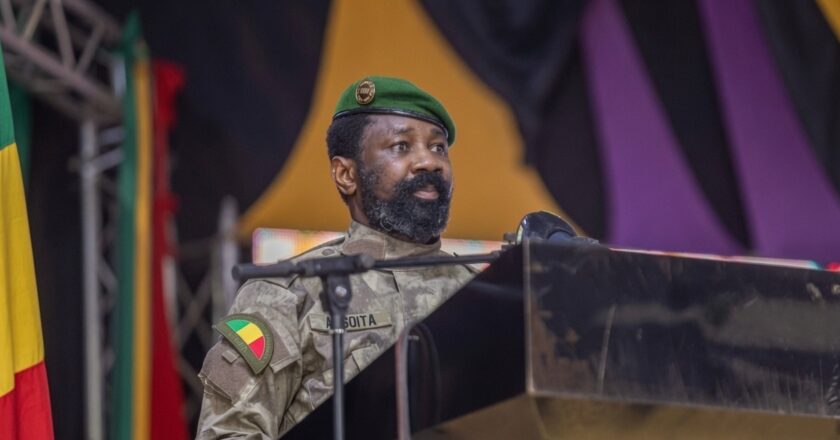
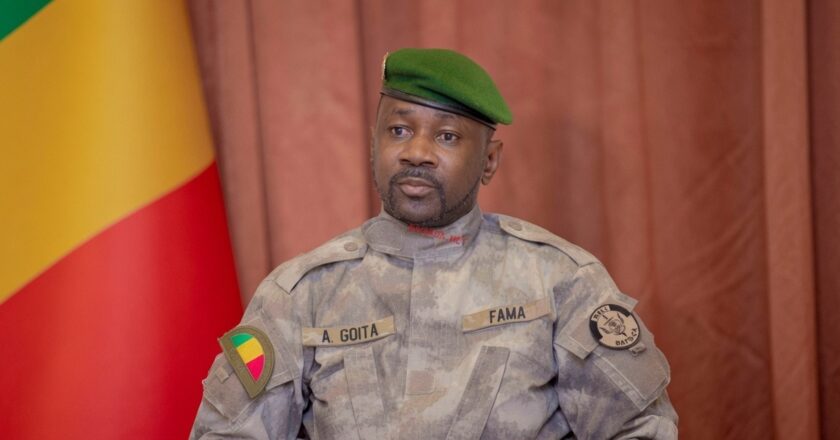
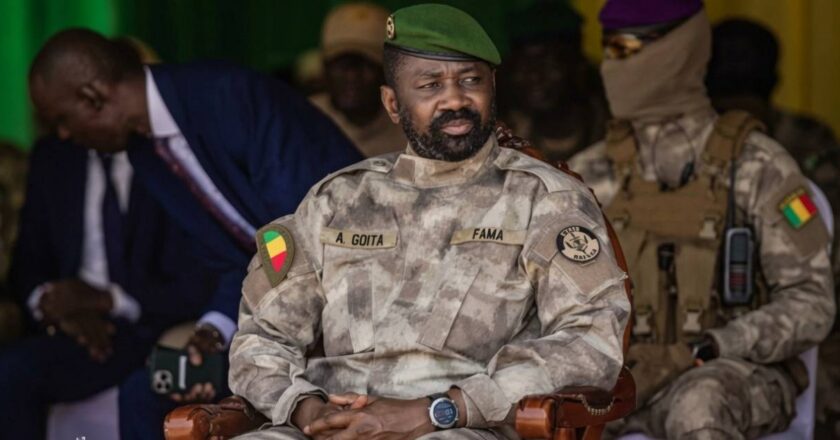
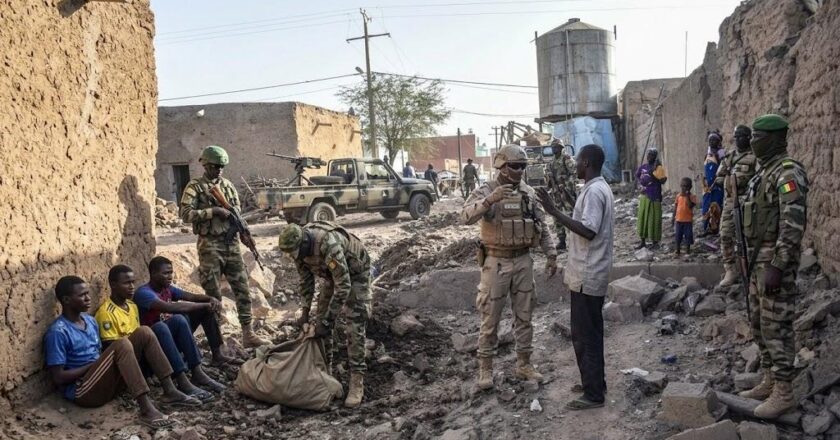
An official admission that raises more questions than answers The Malian military has acknowledged a deadly incident in an active operations zone, but the announcement offers no clarity on where, when, or how many civilians were affected. In a brief statement released on October 14, 2026, the General Staff of the Malian Armed Forces confirmed receiving reports of a "tragic incident" involving civilian casualties and injuries—yet provided no specifics about the location, date, or severity of the event. The vague disclosure follows reports of deadly airstrikes in the village of Zanakoro, Ségou region, where local testimonies and community leaders described a horrifying attack that killed at least eight civilians—including a pregnant woman and three young girls under ten years old—with seve...
Niger’s security spending surge: is the military budget fuelling safety or draining the economy?
A la Une

Niger’s security spending surge: is the military budget fuelling safety or draining the economy?

The Great Security Spending Dilemma: Where Does Niger's Money Really Go? Despite soaring socio-economic pressures and regional financial strains, Niger continues to pour record-breaking sums into its military and security apparatus. But with public funds stretched thin, a critical question lingers: are these astronomical security investments translating into meaningful protection for citizens or simply deepening the nation’s financial woes? By the Numbers: A Military Budget Reaching Record Peaks In 2024, Niger’s defense and security sector commanded an unprecedented share of national wealth. Total allocations neared 960 billion West African CFA francs, while strictly military spending stabilized between $435 million and $464 million annually from 2024 to 2026 — equivalent to 2.2% of GDP, ...
After years of tensions, Mali and Ivory Coast revive security ties to counter Sahel terrorism
Actualités

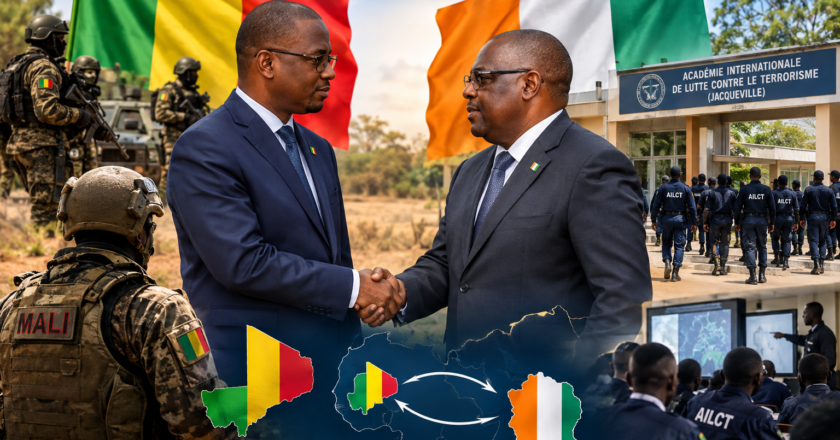
After years of tensions, Mali and Ivory Coast revive security ties to counter Sahel terrorism

The anticipated visit of Ivory Coast's intelligence chief to Bamako this October has reignited a critical debate: can Mali learn from its neighbor’s counterterrorism playbook to finally turn the tide against escalating violence in the Sahel? This high-stakes meeting between Vassiriki Traoré and Mali’s Modibo Koné marks a pivotal moment in their strained security relationship, raising urgent questions about trust, strategy, and the future of regional stability.A new chapter in Mali–Ivory Coast security cooperationAfter years of diplomatic friction, the two countries are poised to redefine their security dialogue. The visit, set for October 15, 2026, signals a strategic shift as Bamako looks beyond its borders for solutions amid persistent insurgent threats. But what does Abidjan bring to th...
Mali’s refugee surge: uncovering the forces shaping displacement patterns and host responses
A la Une

Mali’s refugee surge: uncovering the forces shaping displacement patterns and host responses

At the close of September 2026, Mali had reached a pivotal moment, hosting 322,584 registered refugees and asylum seekers alongside 414,524 internally displaced persons. These figures, presented to UNHCR’s 77th Executive Committee in Geneva, mark more than just a numerical milestone—they reveal deep-seated regional dynamics driving mass population movements into and within the Sahel. The surge in displaced populations isn’t an isolated phenomenon. It reflects broader instability across Burkina Faso and Niger, where nearly four million people—including over 818,000 refugees and asylum seekers—have been uprooted by conflict and insecurity. Within Mali itself, the crisis shows no signs of slowing: between August and September 2026, the number of refugees and asylum seekers increased by 5,396...
Inside the formation of a new politico-military alliance in DRC: kabila’s strategic move amid deepening instability
Culture

Inside the formation of a new politico-military alliance in DRC: kabila’s strategic move amid deepening instability

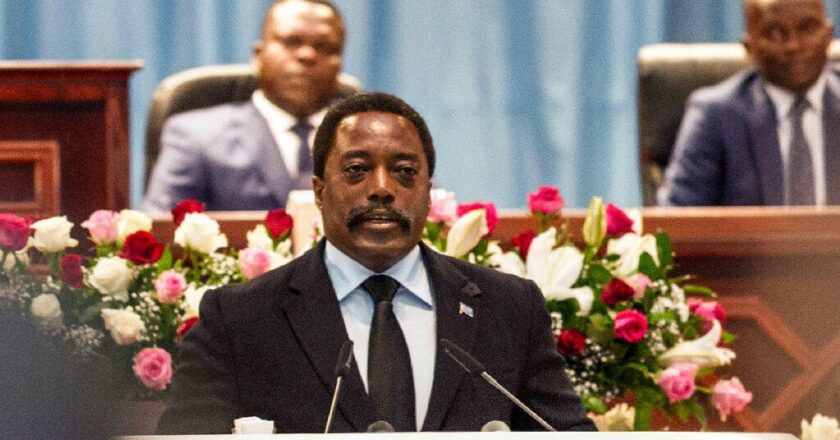
The Democratic Republic of Congo is on the brink of a potentially explosive shift as former president Joseph Kabila steps into the spotlight as leader of the newly launched Front for the Refoundation of the Nation (FRN). The coalition, unveiled in Goma on October 12, marks a bold consolidation of opposition forces, uniting factions from the Alliance of the Congo River (AFC) and the M23 rebel group under a single banner of resistance against President Félix Tshisekedi’s government. The internal mechanics of a strategic alliance Behind the scenes, the FRN was not hastily assembled. The leadership roster reveals a deliberate effort to merge political influence with military muscle. Claude Ibalanky, a close advisor within the movement, announced the formation during a press briefing, framing ...
Mali’s Africa Corps: behind the scenes of civilian abuse and unchecked power
Actualités

Mali’s Africa Corps: behind the scenes of civilian abuse and unchecked power

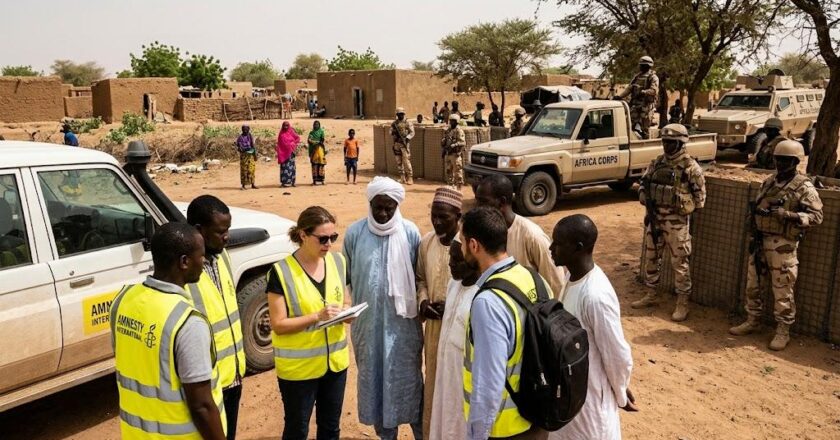
In a deep-dive investigation released in late 2026, Amnesty International uncovers how the transition from Wagner to Africa Corps in Mali has not curbed—but in some cases, may have enabled—the cycle of violence against civilians. The documented abuses span executions, torture, and aerial strikes that have left dozens dead with little accountability, challenging the narrative of security improvement under the new security arrangement. What the data on Mali’s crisis reveals about Africa Corps’ early impact New data from multiple regions in Mali, including Ségou, Mopti, and Tombouctou, suggests that the supposed shift from Wagner to Africa Corps has not translated into meaningful protection for civilians. While the Malian government has promoted Africa Corps as a key partner in fighting arme...
Mali’s hidden cost: how military strikes in Ségou left civilians in the crossfire
Actualités

Mali’s hidden cost: how military strikes in Ségou left civilians in the crossfire

The central region of Mali has once again become a battleground, but this time, the victims are not militants—they are the most vulnerable. On October 12, 2026, a series of airstrikes in the village of Zanakoro, near Ségou, claimed the lives of at least eight civilians, including women and children. The incident has exposed critical flaws in military operations and raised urgent questions about the protection of civilians in the fight against terrorism. Behind the tragedy: what really happened in Zanakoro The strikes, attributed to Malian forces, reportedly targeted what authorities described as a jihadist stronghold. However, eyewitness accounts paint a different picture. Residents who were present during the attack described hearing the roar of aircraft engines followed by explosions t...
Unveiled: how a Russian oil tanker exploited Benin’s maritime registry to bypass sanctions
Actualités

Unveiled: how a Russian oil tanker exploited Benin’s maritime registry to bypass sanctions

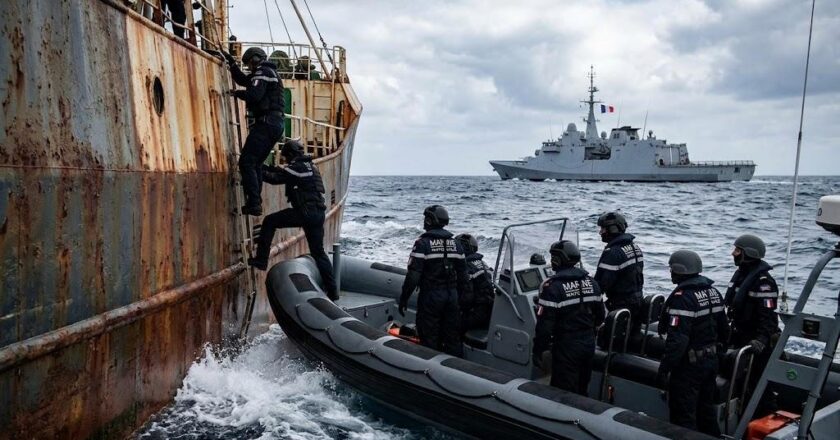
The interception of the DF Peak on October 12, 2026, far from African shores, has pulled back the curtain on a sophisticated scheme concealed beneath the Beninese flag. The operation, led by French naval forces deep in the Indian Ocean, exposed not just one rogue vessel but the intricate web of tactics employed by Moscow’s shadow fleet to evade global sanctions. The arrest in high seas: a meticulously planned operation Under the cover of darkness 450 nautical miles south of Réunion, the French Navy intercepted the 45,000 dwt DF Peak. The vessel, en route from Venezuela with Venezuelan crude reportedly bound for Asian markets, was sailing under what appeared to be a Beninese registration. French marines boarded the ship and immediately uncovered discrepancies in its documentation, fueling ...
Niger’s Goumeri W-8 oil blowout: what the delayed response reveals about local energy gaps
Actualités

Niger’s Goumeri W-8 oil blowout: what the delayed response reveals about local energy gaps

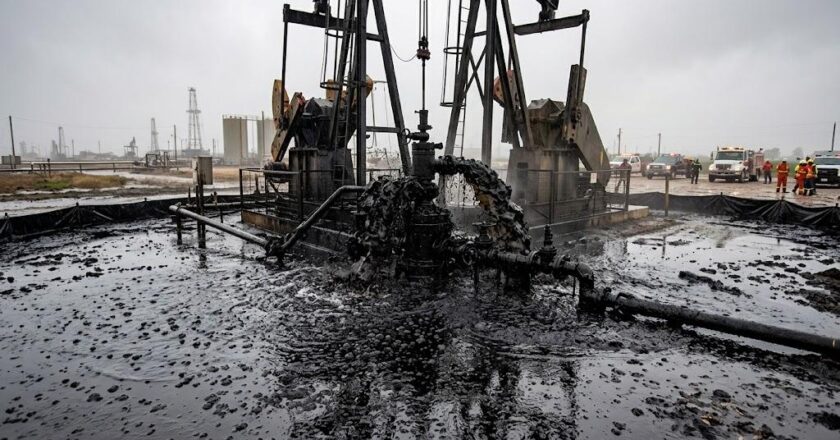
The clock was ticking faster than the crude spewing from well Goumeri W-8. For 17 days after the site began erupting on 25 September 2026, Niamey remained publicly silent while oil and gas roared skyward in a twelve-metre geyser on the Agadem block. Only on 12 October did the government acknowledge what satellite images and local activists had already documented: a blowout of ‘exceptional severity’ that threatens groundwater, two adjacent wells, and the livelihoods of nearby communities. The silence that amplified the crisis What delayed the official statement was not a lack of warnings, but a lack of technical capacity. Civil society groups, including the Environmental Network of Niger (GREN), had urged immediate action before hydrocarbons infiltrated soils and aquifers. While containmen...
Inside the Bamako talks: what really drives Ivory Coast and Mali’s intelligence reset
A la Une

Inside the Bamako talks: what really drives Ivory Coast and Mali’s intelligence reset

Why an intelligence visit matters more than a diplomatic statement When Vassiriki Traoré, the man who runs Ivory Coast's intelligence apparatus, steps off the plane in Bamako on Thursday, October 15, 2026, it will be more than a routine courtesy call. The invitation comes directly from General Modibo Koné, head of Mali's National Agency for State Security, and the three-day working visit is framed around a simple but urgent question: can two neighbours who have spent years drifting apart find a way to share the kind of information that saves lives? The answer matters far beyond the two capitals. Behind the formal agenda lies a web of strained political ties, a shared jihadist threat, and a quiet recognition that neither side can afford to keep the other in the dark. The backstory: how Abi...
Unravelling Niger’s oil debt: the invisible hands behind the 418 billion FCFA hole
Actualités

Unravelling Niger’s oil debt: the invisible hands behind the 418 billion FCFA hole

In Niamey, behind the closed doors of the Prime Minister's office, what was meant to be a routine crisis meeting has spiralled into a high-stakes financial confrontation. The revelations from a confidential session on 12 October 2026 expose a tangled web of institutional failures, inflated penalties, and a staggering debt that threatens to engulf Niger's oil sector. A closed-door meeting that turned into a fiasco Convened under the direct authority of Prime Minister Ali Mahaman Lamine Zeine, the meeting was officially meant to unlock the oil sector and secure fuel supplies for the nation. But behind the scenes, it quickly descended into chaos. A senior official directly involved in the discussions, speaking on condition of anonymity due to the sensitive nature of the matter, provided a de...
Behind Ecobank’s CIPS protocol: the forces driving yuan settlement into Africa-China trade
Actualités

Behind Ecobank’s CIPS protocol: the forces driving yuan settlement into Africa-China trade

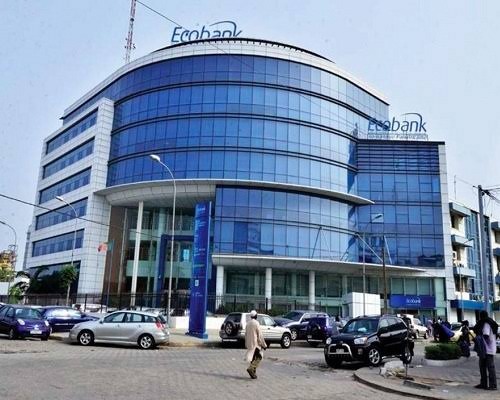
When Ecobank put pen to paper with China's Cross-Border Interbank Payment System in Beijing on 10 October 2026, the headline was a new payment channel. The deeper story is why a pan-African lender and a Chinese clearing utility found each other indispensable at this particular moment. The memorandum of understanding, signed on the margins of Togolese Council president Faure Gnassingbé's official visit to China and witnessed by Togo's minister of finance and budget, Essowè Georges Barcola, is less a sudden leap than the visible tip of a shift that has been building for years.The structural gap that made the deal inevitableAfrica-China commerce has grown to roughly 348 billion dollars in 2025, with China firmly established as the continent's leading trading partner. Yet the plumbing that mov...