Niger’s September 2026 reshuffle: the pushback it triggered and the questions it leaves unanswered
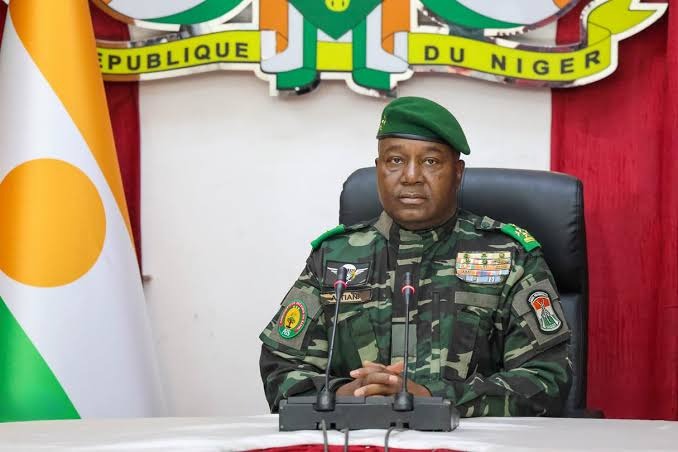
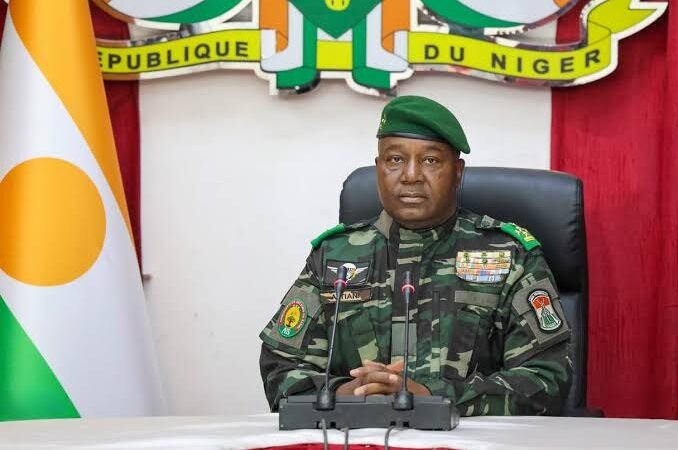
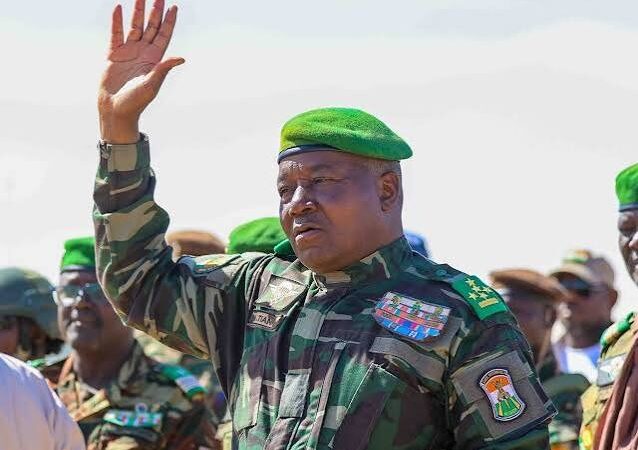
The decree that General Abdourahamane Tiani signed on 15 September 2026 was packaged as routine business. The reaction told a very different story. Far from calming the country, the first major cabinet reshuffle since the July 2023 coup has opened a fresh public argument about where Niger is heading, who is being rewarded, and what all of this means for ordinary households already stretched to breaking point.
Officially sold as a simple “technical reorganisation”, the new team reads to many as a political rescue operation. Boxed in on every front, the Conseil national pour la sauvegarde de la patrie (CNSP) appears to have used the reshuffle to close ranks, hand out prizes and lock down power at a moment of widespread frustration. The fallout from that choice, and the debate it has set off, is only getting louder.
A reshuffle met with scepticism rather than relief
Announced without fanfare and framed as an administrative housekeeping exercise, the shake-up has not been received that way. Whether in the commentary that followed or in the conversations it sparked, doubt has been the dominant note: a government that changes faces but not direction is not a government with a plan.
The argument now turns on one question. Does this new line-up change anything for a population contending with high prices, a struggling economy and unmet expectations? For many, the early answer is no.
The August mutiny that set this reshuffle in motion
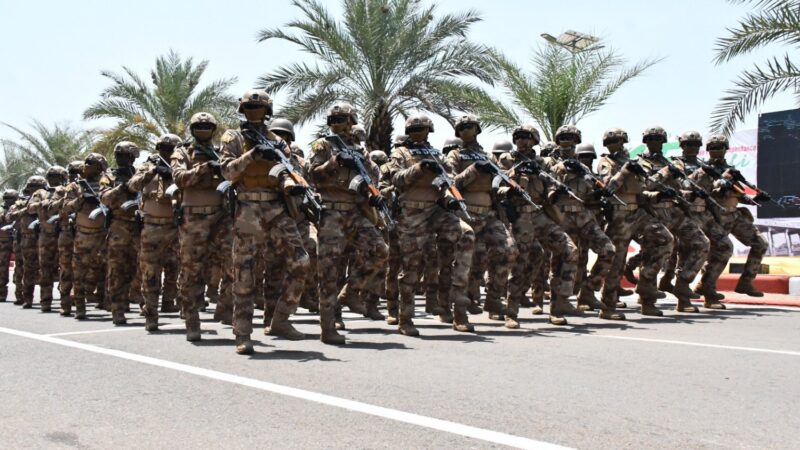
The timing was no accident. The cabinet change follows directly from the mutiny that shook the 101 air base in Niamey in August, an episode that rattled the regime to its core. The military command and the presidential guard were purged and reorganised in a hurry. The political wing of that self-defence effort came next.
Rewards for loyalty: who gained and who lost
By naming Colonel Bilaly Elhadj Gambobo to Agriculture and Livestock, the junta signalled little appetite for overhauling the country’s food system. The move places one more officer over a strategic sector and pushes aside officers who had become inconvenient — a pattern of military control over national resources that leaves almost no room for civilian, transparent management.
The arrival of Abdourahamane Oumarou, head of the UNPP and a leading voice in the sovereignist camp, follows the same logic. He was not picked for his managerial record but for his capacity to shout louder than anyone else. A loyalist from the very first days after the July 2023 coup, he inherits the Ministry of Youth and Refoundation as a reward.
The contrast is hard to miss. While young Nigeriens sink deeper into unemployment and despair, the CNSP hands posts to its propagandists. The calculation looks cynical: buy the silence of activists and use these street-level figures to shape opinion and smother criticism on social media.
Academic appointees as human shields
To dress up the political bargaining, a handful of academic figures were slipped into the line-up, among them Professor Mahamadou Saidou at Higher Education and Oumarou Maman at Humanitarian Action. Reaction to those names has been just as pointed.
What can Professor Saidou deliver in universities starved of funding? How will Oumarou Maman assist people displaced by war when state coffers are empty and international aid has been cut? These technocrats, critics argue, are there to act as shields — the ones who will carry the blame when the system buckles under the weight of hardship.
What comes next for Niger
This reshuffle is neither a strategy nor a vision for the future. It is a desperate patch-up job by a regime under siege, one that would rather feed its loyal supporters than confront the cost of living, the economic crisis and the expectations of its people. Changing the faces around the table will not conceal the fact that the system itself is failing.
The questions now dominating the debate are stark:
- Does a cabinet built to reward loyalty change anything for households crushed by high prices?
- Can academic appointees achieve results without funding, as international support dries up?
- What happens when the regime’s shields can no longer absorb the blame?