Ivorian independence at 66: key challenges for President Ouattara
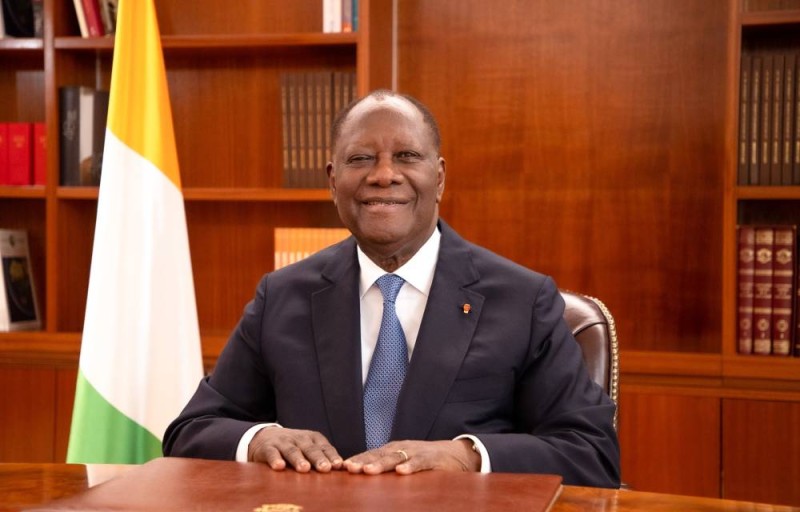
The 7th of August 2026 marks a significant milestone for Côte d’Ivoire as it celebrates 66 years of independence. This year’s national festivities are set against a backdrop of pressing economic, social, and security challenges, making President Alassane Ouattara’s anticipated address a pivotal moment for the nation.
The President’s speech comes at a time when international partners continue to praise the country’s strong macroeconomic performance. Yet, behind these figures, Ivorian citizens are voicing urgent concerns about their daily lives. The rising cost of essential goods, housing, and services is eroding household purchasing power, leaving many families struggling to make ends meet. Concrete measures to stabilize the cost of living are high on the public’s wish list.
Youth employment and economic opportunities
The employment crisis remains a critical issue, with thousands of young graduates entering the job market each year. The President’s address is expected to outline strategies to foster entrepreneurship, enhance vocational training, and stimulate private sector growth—key pillars for job creation and economic resilience.
Agriculture: the backbone of the economy
The agricultural sector, a cornerstone of Côte d’Ivoire’s economy, is another focal point. Producers of cocoa, coffee, rubber, cashew nuts, and other export crops are looking for policies that secure their incomes, improve access to financing, and shield them from volatile global market prices. Strengthening agricultural resilience is essential for sustaining rural livelihoods and national prosperity.
Infrastructure and regional equity
Public expectations also extend to infrastructure development, particularly in rural areas. Citizens are calling for continued investment in road networks, clean water access, reliable electricity, and the expansion of schools and healthcare facilities. Bridging regional disparities is crucial for inclusive national progress.
Healthcare and education reforms
The healthcare system and universal health coverage (CMU) remain top priorities. Improving healthcare infrastructure and accessibility is vital, while education reforms—focusing on quality and vocational training—are seen as long-term solutions for youth empowerment and national development.
Security and regional stability
In a region grappling with security threats, Côte d’Ivoire’s commitment to peace, counter-terrorism efforts, and national cohesion is under the spotlight. Strengthening security while maintaining democratic values is a delicate balancing act that the President’s speech may address.
Governance, transparency, and digital transformation
The fight against corruption, administrative modernization, and digital transformation are also expected to feature prominently. Business leaders are eager for policies that encourage investment, industrialization, and job creation—key drivers for economic diversification and growth.
National unity and democratic dialogue
As the country reflects on six decades of independence, the themes of political dialogue, national reconciliation, and democratic consolidation are more relevant than ever. The President’s address is likely to emphasize unity, inclusivity, and shared progress as the nation charts its future path.
Sixty-six years after gaining independence, Côte d’Ivoire stands at a crossroads. Its ability to translate economic growth into tangible social progress will determine whether it fulfills its potential as a regional leader. The nation’s collective aspirations now hinge on the policies and commitments articulated in this pivotal address.