France’s declining influence in Gabon as China gains ground
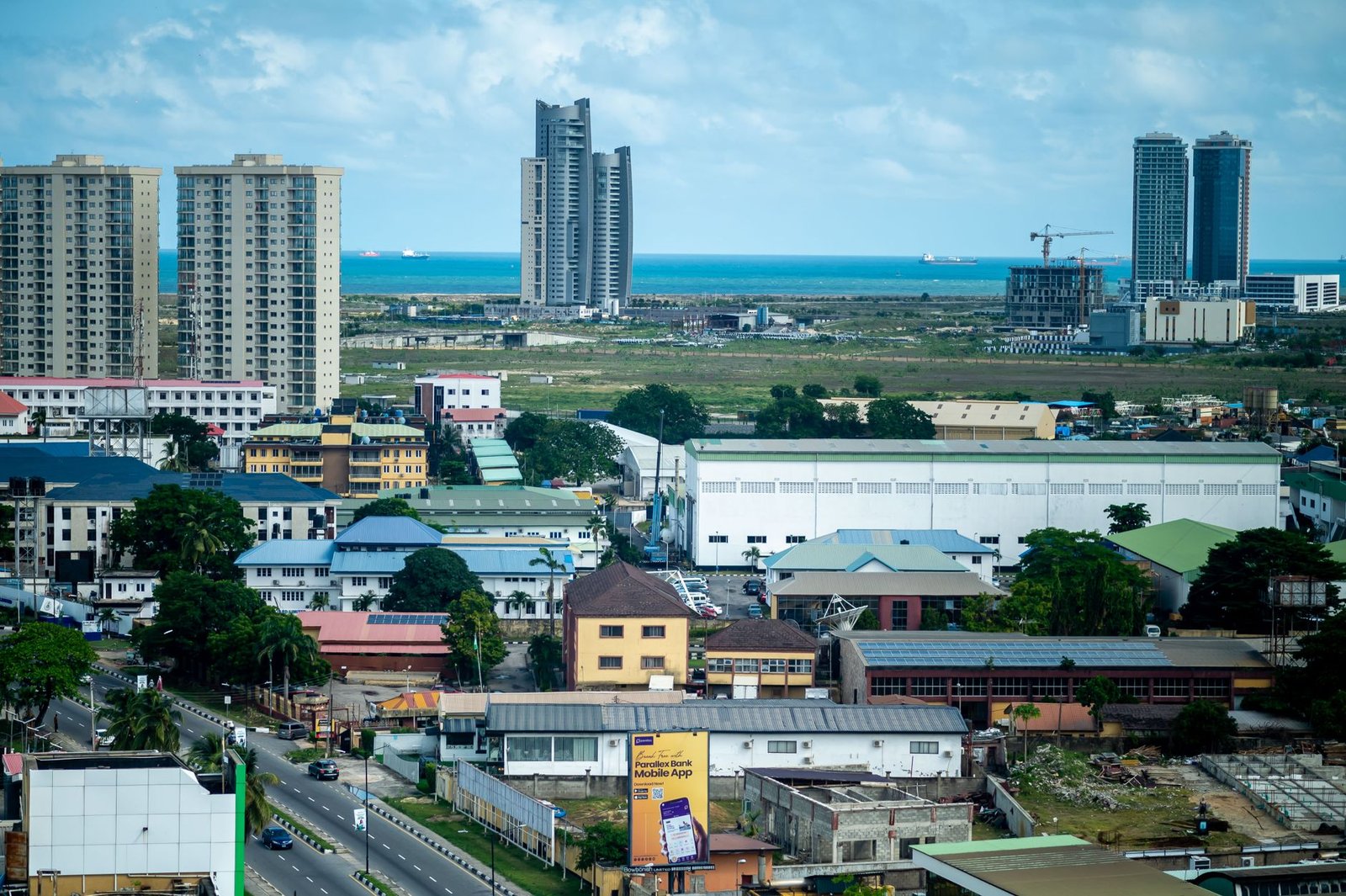
Public sentiment toward France in Gabon has plummeted to record lows. The latest Afrobarometer survey reveals that 78% of Gabonese respondents view Paris’s influence as detrimental, compared to a mere 20% who hold favorable views. This stark disparity positions France at the bottom of the rankings among foreign actors in Libreville, a city once regarded as a cornerstone of French influence in the Gulf of Guinea.
The disparity becomes even more apparent when comparing France’s standing with other global partners. China leads with 61% positive opinions, followed closely by the African Union (60%), the United States (47%), and Russia (43%). In effect, Gabonese citizens now regard Beijing as a partner three times more legitimate than Paris. This reversed hierarchy underscores a profound shift in the diplomatic perceptions of a nation where France’s economic and military footprint was once seemingly unassailable.
Regional trends amplify Gabon’s shift away from France
Gabon’s growing skepticism is not an isolated incident. Since French forces withdrew from Mali, Burkina Faso, and Niger, anti-France sentiment has spread across West and Central Africa. Chad finalized revisions to its defense agreements in late 2024, Senegal secured the closure of French military bases, and Côte d’Ivoire followed suit. Gabon, where a military-led transition under Brice Clotaire Oligui Nguema began in August 2023, is now part of this broader movement to reassess inherited partnerships.
Symbolically, the gradual closure of French military installations across the continent and the downsizing of French military elements in Gabon (EFG) to a cooperative mission have mirrored this transformation. Libreville’s official stance, which prioritizes sovereignty and diversified partnerships, aligns with a public weary of an asymmetrical relationship that many perceive as oppressive.
China leverages the void left by France
China’s rise in Gabon isn’t solely due to loans or infrastructure projects. Its approach hinges on a non-confrontational strategy that avoids political interference while delivering tangible results—roads, hospitals, and telecommunications networks. The demand for Gabonese manganese, a critical resource for Beijing, strengthens this transactional bond that many citizens find more straightforward than the convoluted nature of Franco-Gabonese ties.
Russia, with 43% favorable opinions, benefits from a pro-sovereignty narrative amplified across social media platforms. Despite limited economic engagement compared to China or France, Moscow’s anti-Western positioning resonates with a digitally connected urban youth. Meanwhile, the African Union’s 60% approval rating highlights the enduring legitimacy of continental multilateralism, even as Gabon faces suspension following the 2023 coup.
A strategic warning for French diplomacy
For France, these survey results serve as a critical wake-up call. Gabon remains a vital economic hub for French interests, with major players like Eramet in manganese, TotalEnergies in hydrocarbons, and banking and logistics subsidiaries deeply embedded. The erosion of France’s image risks weakening these positions at a time when transitional authorities are reassessing public tenders.
Long-standing grievances—such as debates over the CFA franc, demands for cultural restitution, and recollections of post-independence interference—have fueled structural resentment that mere public relations efforts cannot resolve. The Afrobarometer data suggests that restoring favorable perceptions will require a fundamental overhaul of France’s diplomatic approach, not superficial adjustments.
The upcoming political transition in Gabon, which aims to restore constitutional order through presidential elections, could reshape the landscape. The next government will face a critical choice: maintaining economic continuity, succumbing to public pressure for a break with France, or embracing alternatives offered by China, the United States, or Russia.