Félix Tshisekedi’s third term bid in DRC: constitutional debate intensifies
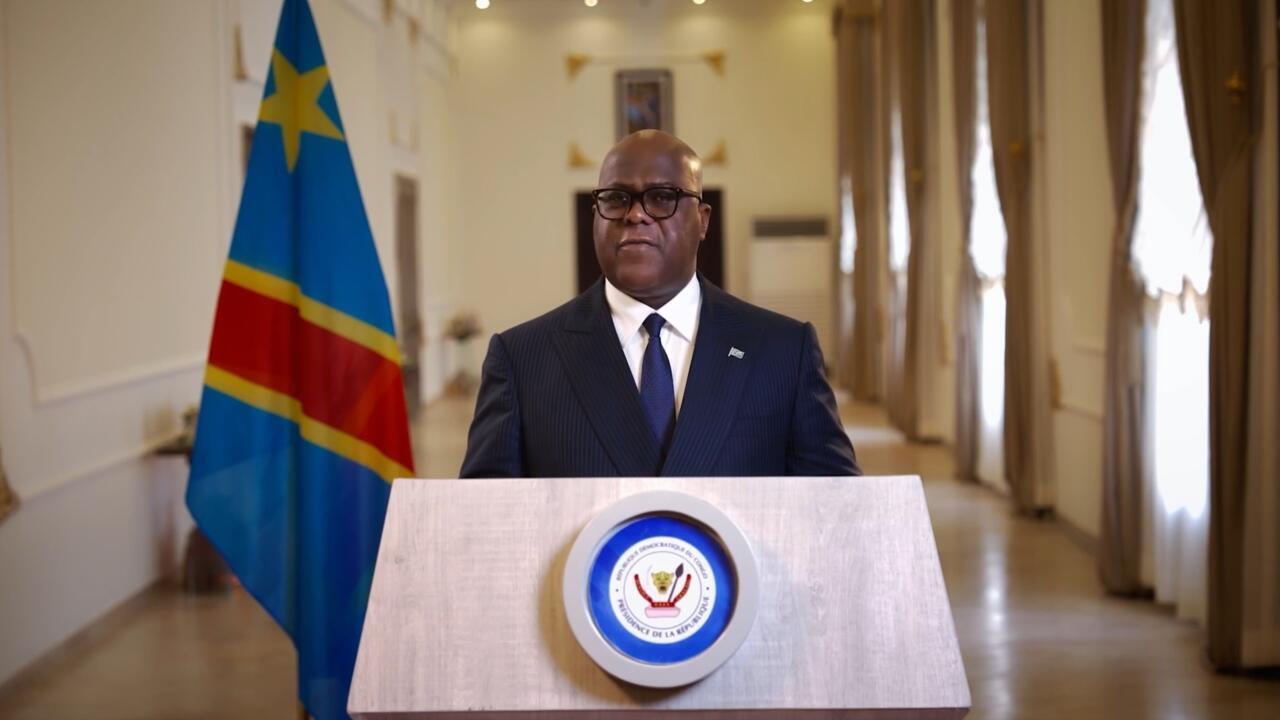
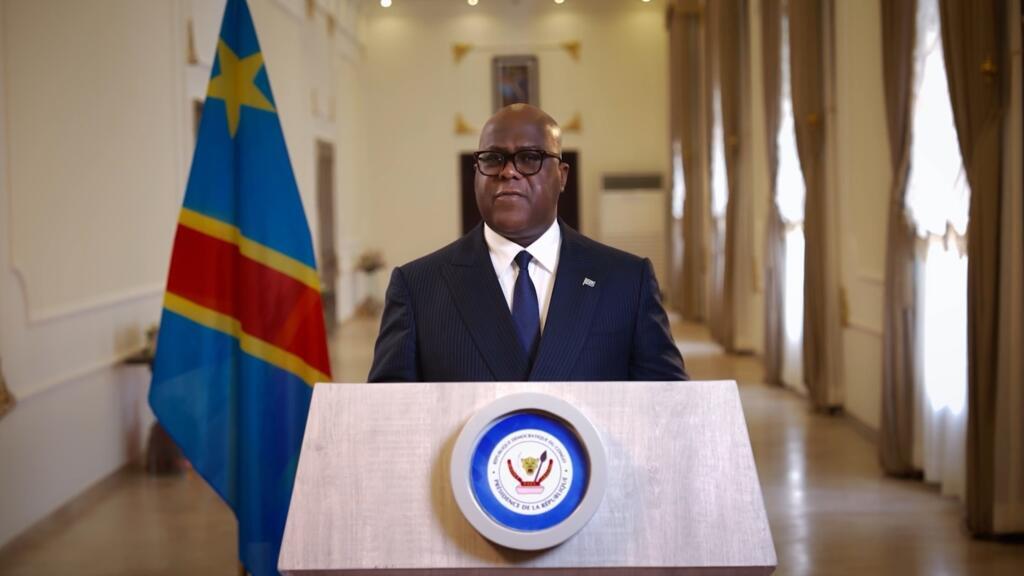
A significant development has unfolded in Kinshasa, with the Constitutional Court declaring the law on referendum organization in the Democratic Republic of Congo (DRC) to be in conformity with the constitution. This decision, however, has ignited a fervent debate that deeply polarizes the Congolese political landscape, reflecting a critical moment in African politics.
For the opposition, this legislative move could pave the way for a constitutional reform, potentially allowing President Félix Tshisekedi to extend his tenure. The presidential camp, conversely, vehemently rejects this interpretation, asserting that the reform aims solely at enhancing the efficiency of state institutions and improving governance in Africa.
President Tshisekedi, 63, who assumed power in 2019, is approaching the end of his second term in late 2028. The current Congolese Constitution explicitly states that the number and duration of presidential mandates are not subject to revision. Despite this, during a rare press conference in early May, Tshisekedi declared he had not actively sought a third term but added a crucial caveat: “If the people wish for me to have a third term, I will accept.”
Opposition stands firm against constitutional changes
With the Constitutional Court’s validation, a critical hurdle has been cleared. President Tshisekedi now possesses the authority to promulgate the referendum law, which has already received approval from both the National Assembly and the Senate. This legislative progression has galvanized the opposition, which views the promulgation of this law as a direct threat to constitutional integrity.
Opposition leaders fear that enacting the referendum law could lead to a constitutional overhaul, effectively resetting Tshisekedi’s mandate count and enabling him to pursue a third term. They consider this scenario unacceptable and have been actively mobilizing for weeks to thwart any attempts at constitutional revision. While the Congolese government has offered no explicit statements to justify the opposition’s distrust, President Tshisekedi’s earlier conditional remarks about a third term continue to fuel their concerns.
The influential Catholic Church weighs in
Adding another powerful voice to the constitutional debate is the Catholic Church, a highly influential institution across Congolese society. The Conférence Épiscopale du Congo (CENCO), comprising bishops from all provinces, issued an unequivocal statement regarding proposed constitutional changes. The Congolese prelates firmly declared that they perceive “neither the necessity, nor the urgency, nor the opportunity to modify the Constitution.” This strong disapproval is seen as a direct challenge to any efforts that might facilitate a third term for the president.
The Catholic prelates’ consistent stance is notable, recalling their significant role in 2018. At that time, Church-inspired demonstrations were instrumental in dissuading then-President Joseph Kabila from seeking a third term, which the constitution prohibited. Under immense public pressure, coupled with international condemnation and threats of sanctions, Kabila ultimately relented, albeit with apparent reluctance.
Uncertainty surrounds proposed political dialogue
Amidst this constitutional standoff, the possibility of a political dialogue looms, with the debate on the Constitution potentially taking center stage. However, the precise nature and inclusivity of this dialogue remain largely undefined. President Tshisekedi has tasked religious denominations with organizing these discussions, raising questions about whether all key stakeholders, including former President Kabila, will be genuinely involved.
There is a clear divergence in priorities for the dialogue. The government’s focus appears to be on fostering national cohesion in response to ongoing aggression, while the opposition remains steadfastly focused on preventing any constitutional amendments. While the Head of State has expressed a willingness to address “all questions of national interest,” suggesting the constitutional debate is not off-limits, observers caution against the inherent risks of such exercises, which incumbent powers sometimes leverage to fragment and weaken opposition forces through offers of power-sharing.