Ebola in DRC: open borders key to containment and food security
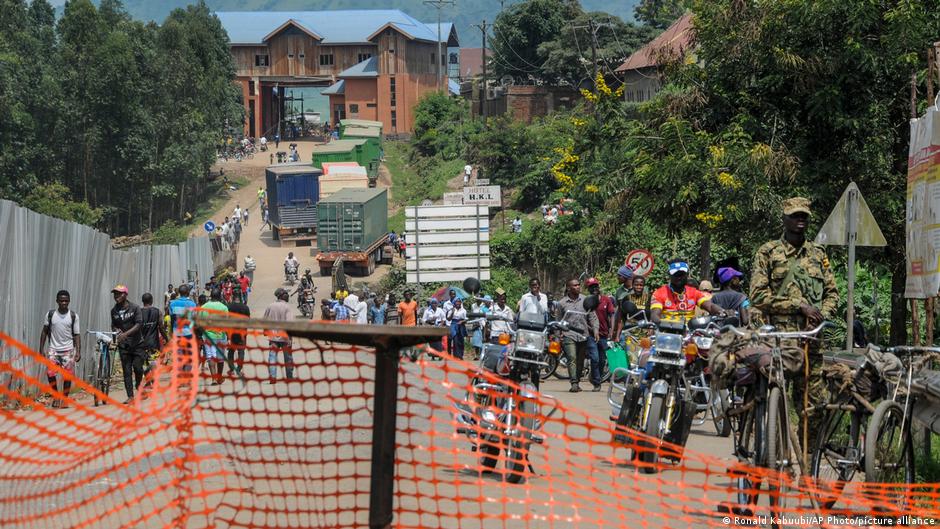
With over 3,000 confirmed cases and nearly 1,500 deaths recorded so far, the Ebola outbreak in the Democratic Republic of the Congo (DRC) is spreading at an alarming rate. Humanitarian organizations warn that the epidemic is doubling its reach every three weeks—a pace far outstripping current response efforts.
Why keeping borders open is critical
In response to the crisis, several neighboring countries imposed travel restrictions or temporarily closed their borders with the DRC. The Rwanda government, for instance, halted all land crossings and banned entry to foreign visitors who had recently been in the DRC. While some restrictions were later eased with health screenings, the initial closure disrupted vital aid flows and restricted movement of medical personnel.
The Uganda also closed key border posts, though humanitarian aid, security operations, and essential trade continued under controlled conditions. Beyond Africa, Canada announced restrictions on travelers from the DRC, suspending certain immigration services for individuals who had visited the country in the past 21 days.
However, the United Nations stresses that maintaining open borders is crucial. Restricting crossings risks pushing travelers into unmonitored routes, undermining surveillance and control measures. Open borders allow for the rapid delivery of medical supplies, the safe deployment of response teams, and the unhindered movement of healthcare workers within the DRC.
Food insecurity worsens as Ebola spreads
The World Food Programme (WFP) describes the situation as a “double crisis.” The Ituri province, the epicenter of the outbreak, faces severe food shortages, with nearly 1.9 million people in need of urgent assistance. Butoto Bigiri Naum, director of the Congolese NGO Action pour le développement et le bien-être des communautés (UGEAFI), explains how movement restrictions have crippled food and agricultural supply chains: “Families are struggling to access seeds, tools, and basic food supplies. Patients recovering from Ebola often rely on relatives, not humanitarian organizations, for meals—while communities face rising food prices and shrinking availability.”
According to WFP estimates, over 2.65 million people in Ebola-affected health zones are experiencing acute food insecurity, including more than 628,000 in emergency conditions. Women, children, and pregnant women are particularly vulnerable. The outbreak exacerbates food shortages by disrupting farming activities, reducing labor availability, and discouraging agricultural work due to fear of infection.
To mitigate the crisis, WFP provides food assistance not only to Ebola patients and their caregivers but also to frontline workers and households under quarantine. This support helps families comply with health measures while reducing the need for dangerous food-seeking migrations. It also fosters a safer environment for health interventions, ensuring that communities receive both medical and nutritional support during this dual emergency.