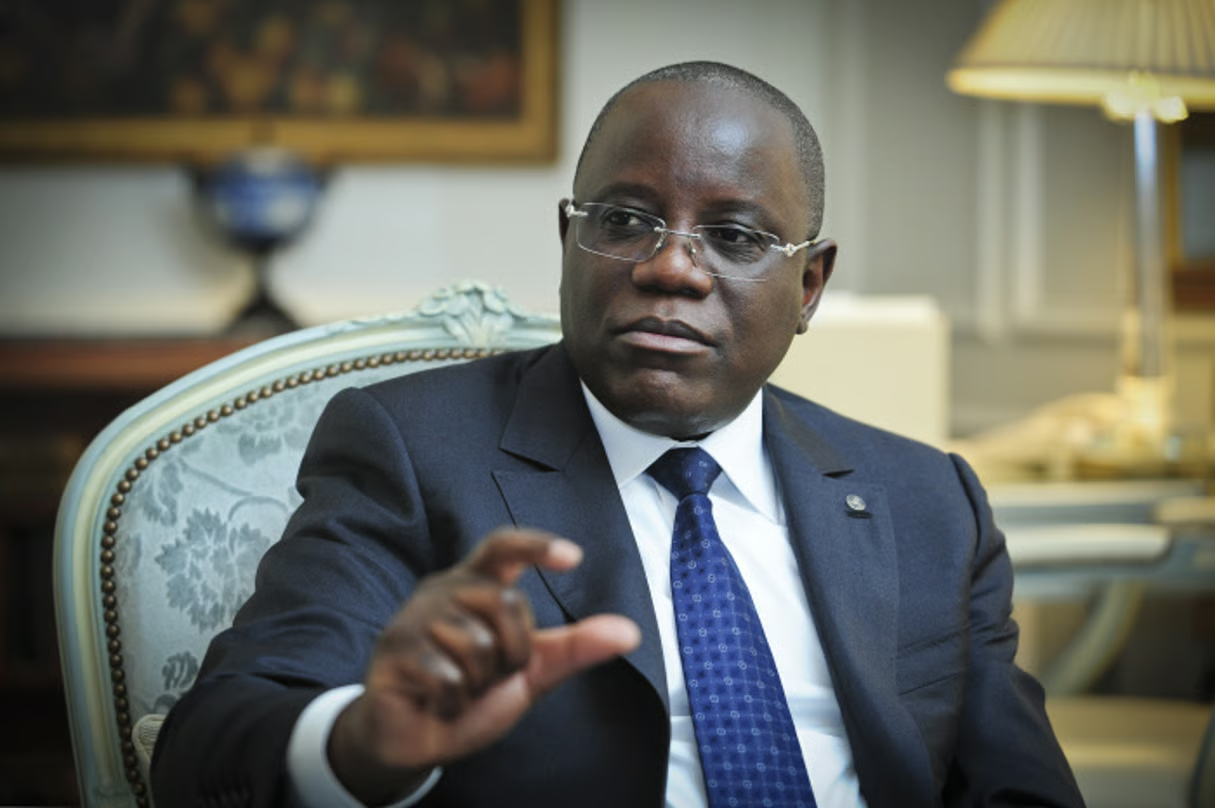
Kinshasa is buzzing with speculation after the sudden announcement placing former PPRD deputy leader Aubin Minaku under monitored freedom. The move has ignited fierce debates about its implications for Democratic Republic of Congo’s fragile political landscape — and what it signals for the nation’s future.
From party powerhouse to restricted movement: how the fallout is reshaping alliances
The news dropped without warning, catching political observers off guard. Aubin Minaku, once a key architect of the People’s Party for Reconstruction and Democracy’s (PPRD) strategy in Kinshasa, now finds himself operating under strict surveillance. This dramatic shift in his status has sent shockwaves through Congo’s political establishment.
Political insiders describe the development as a calculated maneuver with potential to dismantle long-standing alliances. The PPRD, once DRC’s dominant ruling party, now faces an uncertain path forward. Observers question whether this marks the beginning of a broader purge within the party’s ranks.
The public debate: why Kinshasa’s elite are divided over Minaku’s situation
The capital’s political circles are split over the reasons behind Minaku’s current status. Some argue the move reflects internal power struggles within the ruling coalition, while others suggest it represents an attempt to rein in dissent ahead of upcoming electoral cycles.
Public sentiment appears equally divided. Supporters of Minaku point to his decades of service to Congo’s political system as grounds for leniency. Critics, however, claim his restriction is long overdue given growing allegations of financial impropriety linked to his tenure in government.
What cannot be disputed is the timing of this development. With national cohesion fragile and political tensions simmering, Minaku’s house arrest has become a flashpoint for broader discussions about governance and accountability in Congo.
What comes next: three possible outcomes for DRC’s political trajectory
As Kinshasa awaits official explanations, three potential scenarios are emerging that could shape the country’s political future:
- Scenario 1: Fractured unity
The PPRD could face irreparable divisions if internal factions use Minaku’s situation to settle scores, potentially weakening President Félix Tshisekedi’s governing coalition ahead of critical elections. - Scenario 2: Strategic distraction
Government supporters may attempt to frame Minaku’s restriction as part of a broader anti-corruption campaign, deflecting attention from other pressing national challenges while consolidating power in the president’s inner circle. - Scenario 3: Unexpected reconciliation
In a surprising twist, Minaku might negotiate a return to public life through strategic concessions, potentially stabilizing the PPRD’s position while reinforcing the government’s flexibility in dealing with former allies.
Assessing the international response to Congo’s latest political earthquake
The international community has reacted cautiously to Minaku’s house arrest. Western diplomats in Kinshasa are monitoring developments closely, particularly given Congo’s role in regional stability and its partnerships with global economic players.
Diplomatic sources indicate that foreign governments are prioritizing stability over abrupt political shifts. However, the situation raises concerns about systematic reforms in Congo’s governance structures — especially regarding transparency and anti-corruption measures that international partners have long advocated.
Navigating Congo’s political future: the challenges ahead for Kinshasa
One thing is clear: Aubin Minaku’s monitored freedom has become a catalyst for transformation in Congo’s political ecosystem. Kinshasa’s leadership now faces the delicate task of balancing justice, political expediency, and national stability in the coming months.
The full extent of Minaku’s limitations remains unclear, but one thing cannot be denied — this development has irrevocably altered the power dynamics in what was already one of Africa’s most volatile political arenas.