diplomatic breakthrough: Gabon and France redefine their strategic partnership
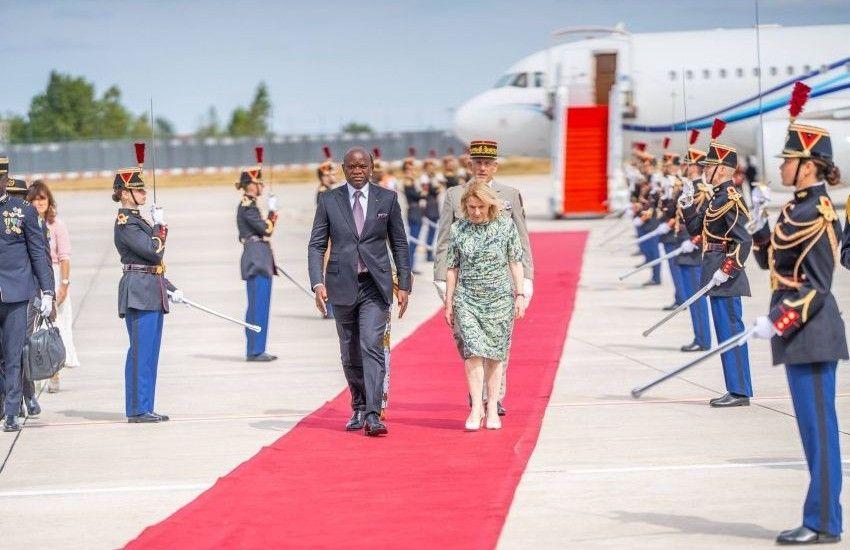
Paris, 20 July 2026 — The three-day state visit of Gabonese President Brice Clotaire Oligui Nguema to France marks a pivotal moment in bilateral relations, transcending mere ceremonial formalities to focus on concrete strategic outcomes.
Beyond the pomp of military honors and the Élysée Palace state dinner, this visit signals a deliberate effort to recalibrate the partnership between Libreville and Paris. Key priorities include economic cooperation, industrial sovereignty, security collaboration, and deeper engagement with the Gabonese diaspora across France.
This marks the first time President Oligui Nguema has been received in France for a full state visit since assuming office, underscoring the urgency of this diplomatic reset. With African geopolitical dynamics shifting rapidly, both nations are seeking to redefine their engagement based on mutual interests rather than historical inertia.
Announced publicly in June, the visit’s significance was amplified by the composition of the delegation—senior officials, business leaders, and media representatives—highlighting its economic, institutional, and strategic dimensions.
A three-day agenda packed with substance
The visit commenced with a symbolic stop at the Palace of Versailles, followed by military honors at Les Invalides, culminating in a private meeting between President Oligui Nguema and French counterpart Emmanuel Macron at the Élysée Palace. This tête-à-tête set the tone for broader negotiations.
Discussions are expected to build on agreements initiated during Macron’s visit to Libreville last November, with new bilateral accords set to be signed. Critical topics include Gabon’s economic diversification, infrastructure modernization, defense partnerships, and industrial development. A particularly notable request involves the transfer of the Camp de Gaulle land title to Gabon, enabling the construction of a national training center for the country’s defense and security forces.
The second day included a solemn moment at the Arc de Triomphe, where a wreath was laid, followed by a visit to Mont-Valérien—a site of deep historical resonance, commemorating African fighters executed during World War II. This gesture underscores the enduring historical ties between the two nations.
Economic diplomacy and citizen engagement
Institutional meetings extended beyond the Élysée, with engagements planned with Senate President Gérard Larcher and Paris Mayor Emmanuel Grégoire. A cultural stop at the restored Notre-Dame Cathedral rounded out the diplomatic program.
Yet the most anticipated event was the President’s meeting with the Gabonese diaspora in France. Authorities aim to foster an open dialogue, including with critical voices, reflecting a more inclusive approach to diplomacy where expatriates play an active role in bilateral relations.
From ambition to action
The true measure of this visit’s success will lie not in the grandeur of ceremonies but in the tangible outcomes of the agreements signed. For Gabon, the visit represents a chance to accelerate industrialization, infrastructure development, human capital enhancement, and economic diversification through strategic partnerships. For France, it signals a shift toward a more balanced partnership with Africa—one rooted in dialogue, investment, and shared prosperity.
As the 72-hour visit draws to a close, the legacy of this summit will hinge on whether the two leaders can translate ceremonial splendor into lasting progress, forging a renewed partnership built on trust, mutual benefit, and a shared vision for the future.