President Félix Tshisekedi has outlined the framework for a long-awaited national dialogue, a process demanded for months by opposition groups to restore peace and rebuild the state. The initiative will commence in all 26 provinces before culminating in Kinshasa, with a maximum duration of three months.
The dialogue aims to bring together a wide spectrum of stakeholders, including the ruling majority, opposition figures, civil society representatives, religious leaders, and various community groups. However, armed factions operating in the eastern regions of the Democratic Republic of the Congo will be excluded from this process. The critical question remains: can this dialogue succeed without the involvement of those directly engaged in the conflict?
Key stakeholders and exclusion criteria
The national dialogue seeks to foster inclusivity, yet it comes with strict conditions. The president has made it clear that armed groups waging war in the east will not be part of the discussions. This raises concerns about the dialogue’s potential effectiveness, as these groups play a significant role in the ongoing instability.
Participants invited to engage
- Political actors: Representatives from the ruling majority and opposition parties.
- Civil society: Leaders from various sectors to ensure grassroots perspectives are considered.
- Religious leaders: Figures from different faiths to provide moral and ethical guidance.
- Community representatives: Delegates from diverse groups to ensure broad representation.
Groups excluded from the process
- Armed factions: Groups engaged in active conflict in the eastern provinces.
- Unregistered political entities: Any groups not recognized by the state.
Challenges and uncertainties
Past attempts at dialogue and reconciliation in the Democratic Republic of the Congo have often fallen short of their goals. What will make this initiative different? The exclusion of armed groups is a notable point of contention, as their participation could be crucial for lasting peace. Additionally, the three-month timeline is ambitious, given the complexity of the issues at hand.
The success of this dialogue hinges on several factors:
- Genuine commitment: All parties must engage in good faith to address the root causes of the conflict.
- Inclusivity: Ensuring that marginalized voices are heard and represented.
- Implementation: Concrete follow-through on agreements reached during the dialogue.
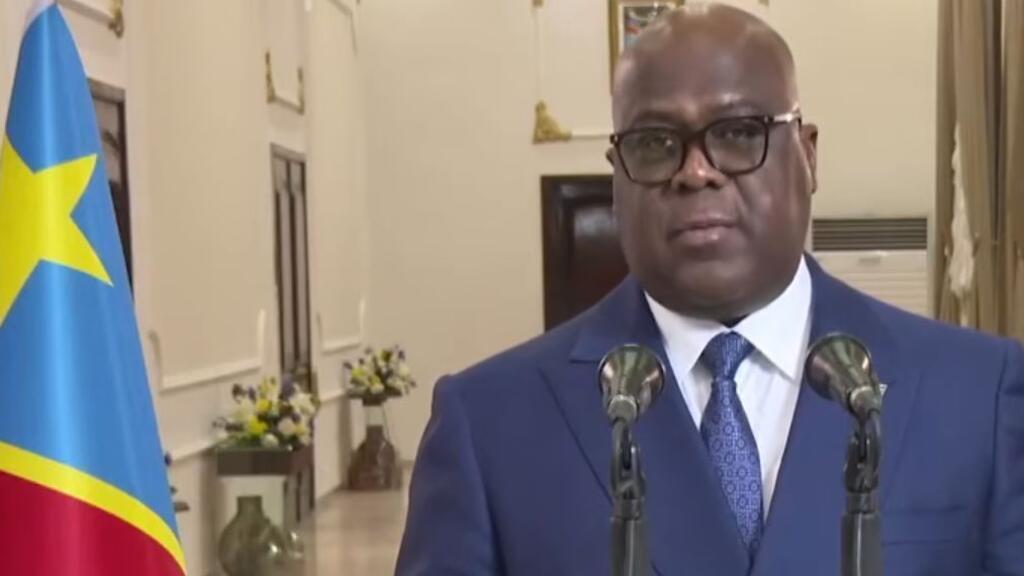
The president’s announcement has sparked both hope and skepticism. While the inclusive approach is commendable, the exclusion of armed groups and the ambitious timeline pose significant hurdles. Only time will tell whether this dialogue can break the cycle of failed initiatives and pave the way for sustainable peace in the Democratic Republic of the Congo.