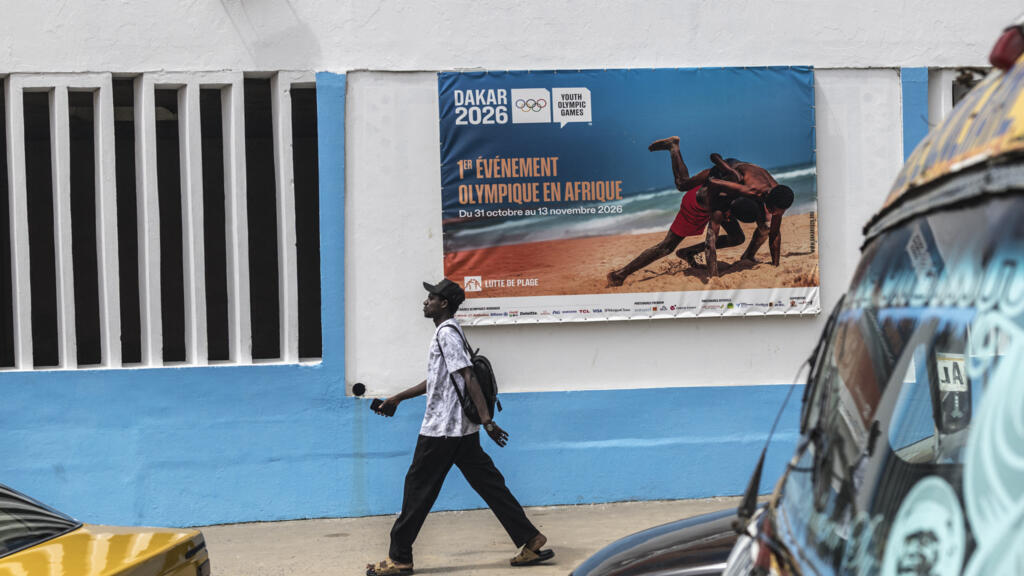
As Dakar prepares to host the first-ever Youth Olympic Games in Africa, the continent stands at a historic crossroads. The games, opening on October 31, 2026, mark a symbolic and pragmatic leap forward—but what comes next? From sports infrastructure to public engagement, the fallout from this continental milestone is already fueling debates about Africa’s Olympic future.
The African games: a moment of reckoning
The opening of the Dakar 2026 Youth Olympics isn’t just a sporting spectacle—it’s a statement. For the first time, an African city will lead a global youth sporting event under the Olympic banner. The slogan, “Africa welcomes, Dakar celebrates,” encapsulates both pride and pressure. But is the continent ready for what follows?
Beyond the medals: infrastructure and legacy
Africa’s Youth Olympics are more than a competition; they’re a test of long-term vision. While stadiums and venues are being readied, questions linger about their post-2026 utility. Can these facilities serve local athletes, schools, and communities beyond the games? And how will Dakar’s infrastructure upgrades ripple across West Africa?
- Sustainable use: Venues must pivot from temporary showpieces to lasting hubs for training and community events.
- Cross-border impact: Improved transport and digital connectivity could boost regional integration.
- Youth engagement: Grassroots programs need to capitalize on the Games’ momentum to inspire the next generation.
Public sentiment: from excitement to skepticism
While official narratives highlight opportunity, public discourse reveals skepticism. Critics warn of potential mismanagement, cost overruns, and displacement risks. Social media has amplified debate, with many questioning whether the Games will deliver tangible benefits—or become another underused vanity project. How Senegal’s government and Olympic organizers respond will shape Africa’s credibility in global sports governance.
The continental domino effect: can Africa bid for the Olympics?
The Dakar 2026 Games aren’t just about hosting—they’re a stepping stone. If successful, could Africa become a contender for the Olympic Games themselves? The International Olympic Committee (IOC) has signaled openness to new hosts, but Africa must prove it can deliver seamless, secure, and sustainable events.
Lessons from past bids
Past bids by African cities faltered due to logistical concerns or political instability. Dakar 2026’s success could rewrite that narrative. Key factors include:
- Stability: Political continuity reduces investor risk.
- Technical readiness: Proven event management is critical.
- Global trust: Africa must showcase its ability to meet IOC standards.
Diomaye Faye’s vision: a balancing act
Senegal’s leadership under President Bassirou Diomaye Faye faces a dual challenge: delivering a flawless event while laying the groundwork for future bids. Faye’s government has prioritized youth sports and infrastructure, but skepticism persists about whether these commitments will outlast the Games.
What’s next for African sport?
The fallout from Dakar 2026 will determine whether Africa’s Olympic journey accelerates or stalls. Success could inspire neighboring nations to bid for major events, while failure might reinforce perceptions of Africa as a risky host. The Games’ legacy—both tangible and intangible—will radiate far beyond Senegal’s borders.
A continental legacy in the making
The most enduring impact may not be medals, but cultural shifts. Africa’s ability to host globally showcases its youth and innovation. The challenge now is to translate this moment into systemic change: inclusive sports policies, private sector investment, and a new narrative for African athleticism.
The world will be watching Dakar’s every move—and so will Africa.