Congo referendum law faces new parliamentary debate under tshisekedi
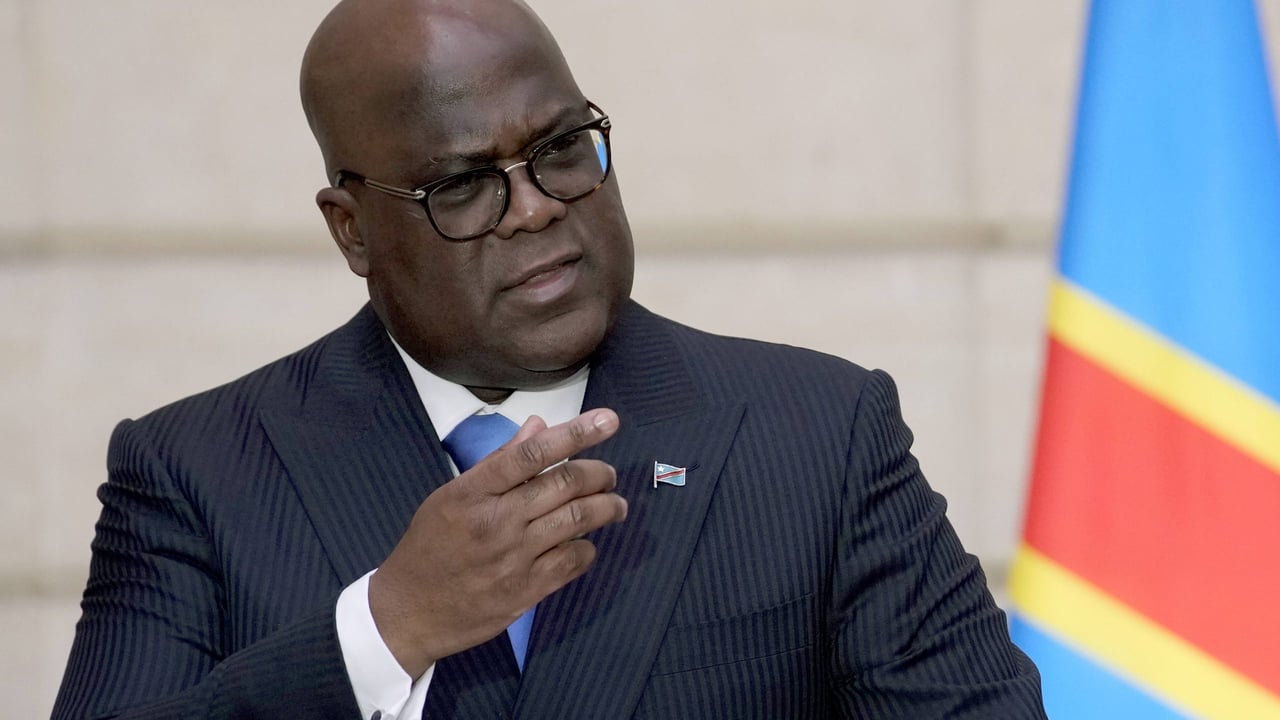
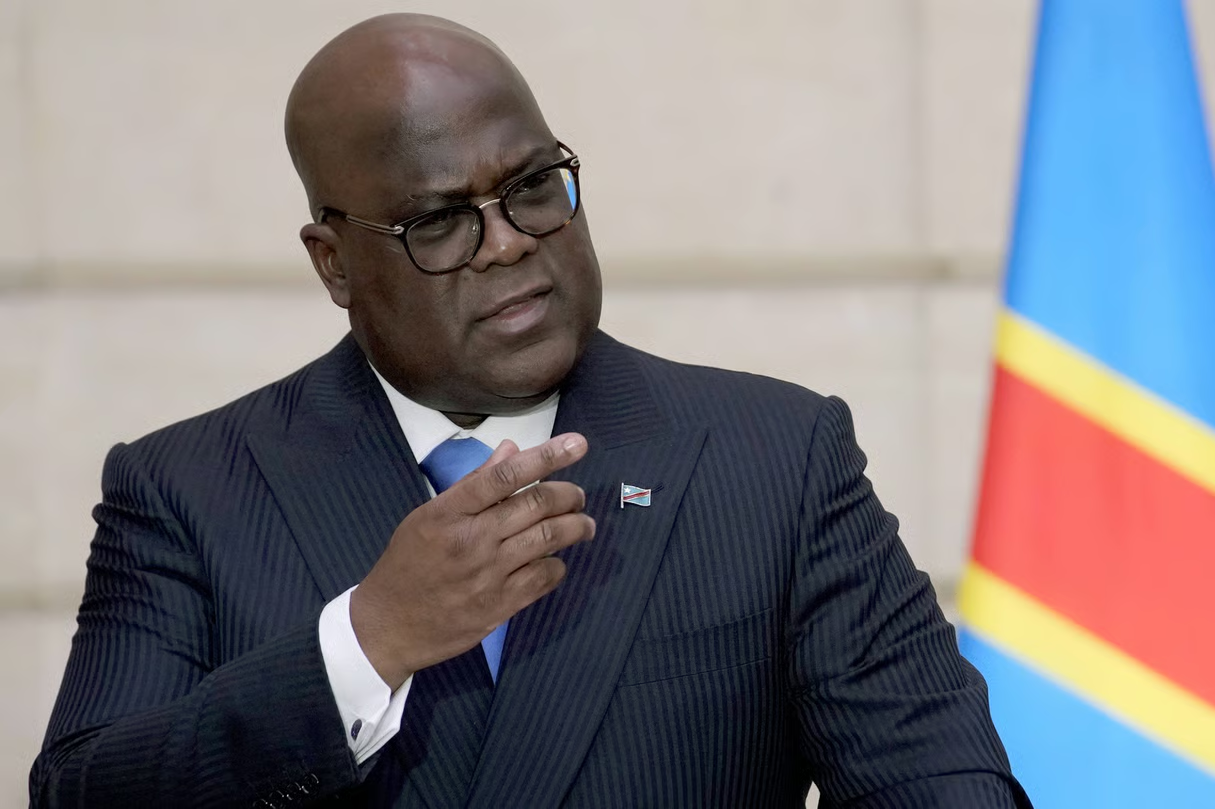
The proposed referendum law in the Democratic Republic of the Congo has been formally submitted to Parliament, with President Félix Tshisekedi positioned to steer the legislative process. This strategic move places the nation’s leadership at the forefront of a critical constitutional discussion that could reshape the country’s future governance.
Presidential influence in a pivotal moment
President Tshisekedi’s decision to send the referendum bill to Parliament underscores his central role in shaping the nation’s political trajectory. Analysts view this development as a calculated step to consolidate executive authority while navigating the complexities of a diverse political landscape. The move comes amid heightened public debate over constitutional reforms and their potential impact on national stability.
With Parliament now tasked with reviewing the proposal, the coming weeks will be decisive in determining whether the referendum law gains the necessary traction to proceed. Legislative discussions are expected to reflect a mix of political alliances and opposition voices, each weighing the implications for the country’s democratic framework.
Key players and parliamentary dynamics
The referendum legislation has drawn attention from prominent political figures, including opposition leader Moïse Katumbi, whose stance on the matter is closely monitored. His interactions with the ruling party, particularly through the UDPS, will play a crucial role in shaping Parliament’s response to the proposal.
Parliamentary debates are anticipated to be intense, with lawmakers from various factions presenting arguments for and against the referendum. The process will test the resilience of the country’s democratic institutions and the ability of its leaders to reach a consensus on a matter of national significance.
Public sentiment and constitutional reforms
Beyond the political arena, the referendum law has sparked discussions among the Congolese population. Citizens are weighing the potential benefits of constitutional changes against the risks of political instability. The outcome of the parliamentary deliberations will likely influence public trust in the government’s commitment to inclusive governance and transparent decision-making.
As the debate unfolds, the Democratic Republic of the Congo stands at a crossroads, with the referendum law serving as a focal point for discussions on democracy, leadership, and the nation’s future direction.