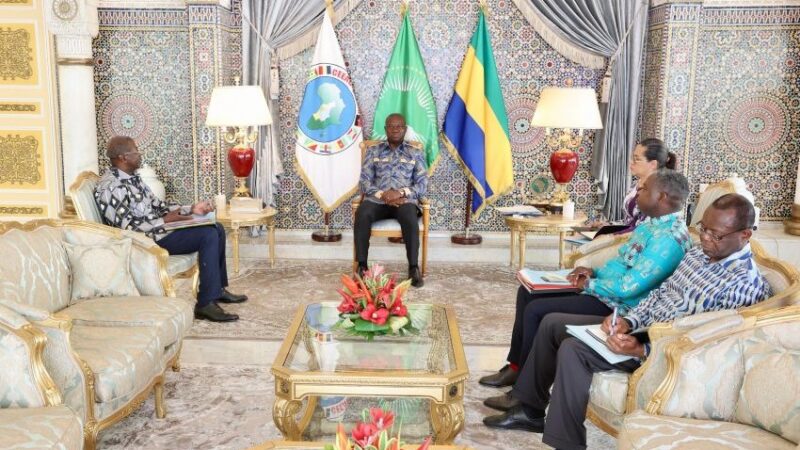
CnsA steps in Congo ahead of political dialogue
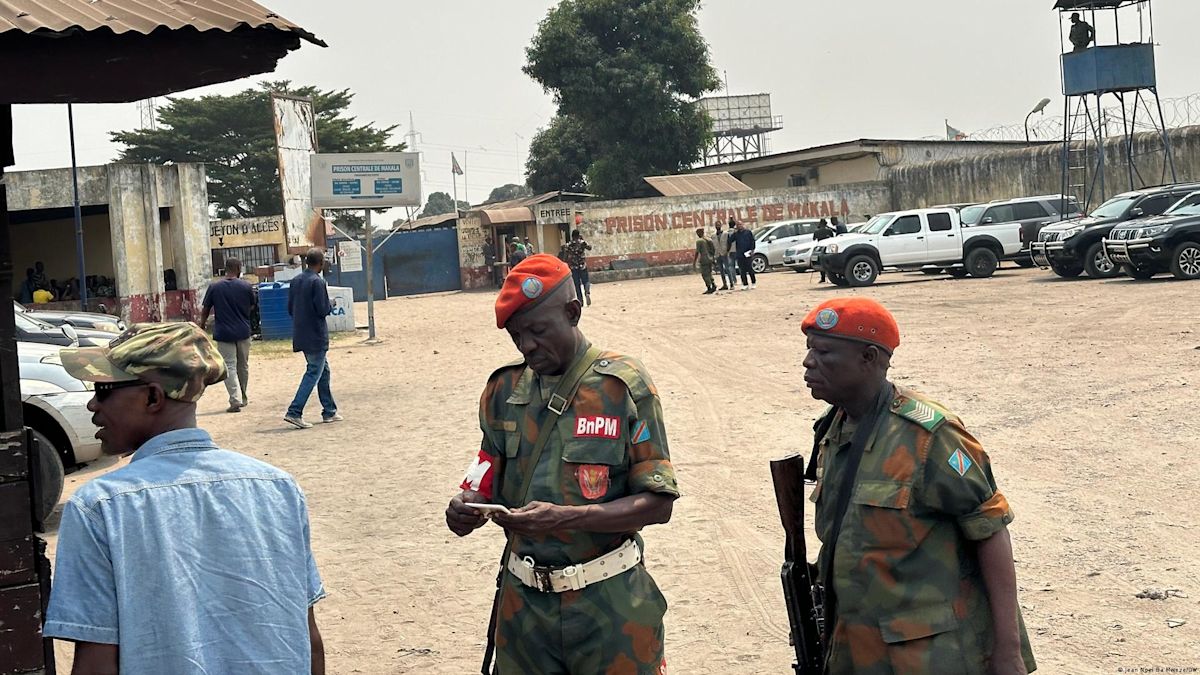
CNSA actions in Democratic Republic of Congo: easing tensions before dialogue?
The Democratic Republic of Congo has entered a critical phase in its political stabilization efforts. One week after the launch of its census of political and opinion prisoners, the National Council for Monitoring the Agreement and Electoral Process (CNSA) is emphasizing that this initiative applies to all eligible individuals, regardless of status or affiliation. The Council champions a fundamental principle: justice must be blind.
This initiative forms part of broader conflict de-escalation measures that the CNSA considers essential before an inclusive national dialogue can take place. The Council aims to compile and submit a comprehensive list to President Félix Tshisekedi, enabling him to take decisive action prior to the dialogue among Congolese stakeholders.
Justice without distinction: the CNSA’s guiding principle
In establishing its evaluation criteria, the CNSA is examining case files with particular attention to potential amnesty candidates. “Justice has no color,” stated Joseph Olenghankoy, CNSA President, highlighting that legal rights apply equally to all citizens. “When someone is detained, they must appear before their natural judge within 48 hours. Reports indicate some individuals have been held for nearly six months without proper proceedings.”
Olenghankoy emphasized the Council’s duty to address these concerns with the appropriate authorities to secure releases and facilitate meaningful dialogue. “Our role is to present these issues to the relevant authority to secure releases and create conditions for constructive discussions among Congolese citizens.”
PPRD welcomes the initiative for its detained members
The political family of Aubin Minaku and Emmanuel Ramazani Shadary, respectively Vice President and Permanent Secretary of the People’s Party for Reconstruction and Democracy (PPRD) associated with former President Joseph Kabila, has warmly welcomed the CNSA’s initiative.
“If this CNSA initiative leads to the release of our detained comrades, we can only commend it,” stated Lucain Kasongo, a PPRD cadre. “Any initiative that aims to secure the freedom of our colleagues—including Aubin Minaku, Emmanuel Ramazani Shadary, Dunia Kilanga, Parole Kamizelo, and others—deserves our full support.”
Human rights organizations join the call for prisoner release
Justicia ASBL, a human rights organization, recently submitted a list of approximately one hundred individuals identified as political and opinion prisoners to the Minister of Justice. This follows growing calls for their immediate release to foster political trust.
Timothée Mbuya, Coordinator of Justicia ASBL, underscored the need to address death sentences as part of broader confidence-building measures. “A political decision must be made to annul convictions, particularly for former President Joseph Kabila and Corneille Nangaa, leader of the AFC/M23 rebellion. These steps are crucial to enhance political trust and enable an inclusive dialogue.”
Will the CNSA’s efforts lead to tangible de-escalation?
As calls for an inclusive dialogue grow louder across the country, all eyes are on the CNSA’s next steps. Will the Council’s actions translate into concrete measures that ease tensions and set the stage for constructive discussions among all Congolese stakeholders?