CNSA initiative in DRC: easing tensions ahead of national dialogue
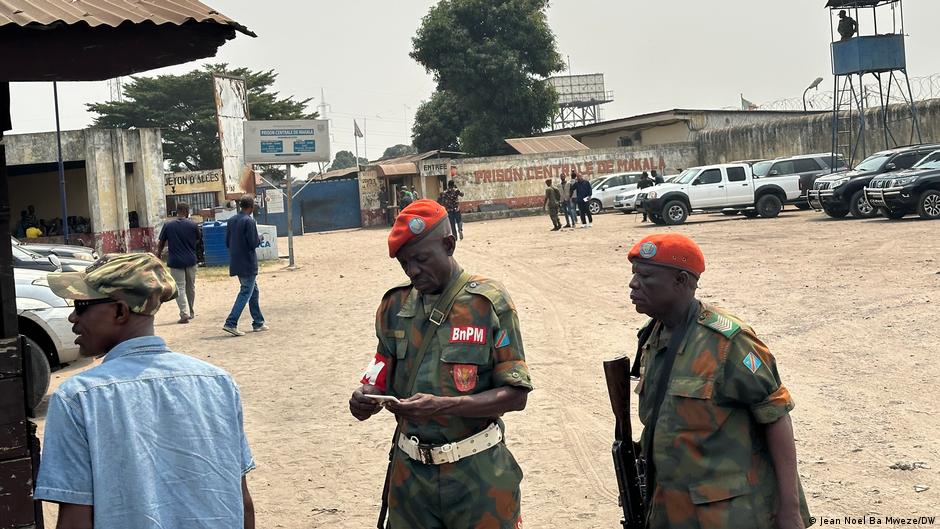
In the Democratic Republic of the Congo, the National Council for Monitoring the Agreement and Electoral Process, known as the CNSA, has taken a significant step toward easing political tensions by compiling a comprehensive list of political and opinion prisoners. This move comes as the country prepares for an anticipated inclusive national dialogue. The initiative aims to identify individuals who may be eligible for amnesty, with a focus on restoring justice and fostering an environment conducive to meaningful discussions.
The CNSA’s efforts underscore a commitment to the principle that justice is blind, ensuring that every citizen, regardless of political affiliation or background, is entitled to fair treatment under the law. This principle is particularly relevant as the Council examines cases of detainees, including prominent figures whose names have been circulating in public discourse.
CNSA’s criteria and potential beneficiaries
The Council has established clear guidelines for reviewing detainees’ cases, with a focus on those who may qualify for amnesty. Among the individuals whose names have been mentioned are Aubin Minaku and Emmanuel Ramazani Shadary, both senior members of the People’s Party for Reconstruction and Democracy (PPRD), the political party associated with former President Joseph Kabila. Their possible inclusion in the list signals a potential shift toward reconciliation.
Joseph Olenghankoy, President of the CNSA, emphasized the urgency of addressing legal irregularities in the detention of individuals. In a recent statement, he highlighted the importance of ensuring that detainees are brought before a judge within 48 hours of arrest, a right that has reportedly been overlooked in several cases. Olenghankoy stressed that “the law applies to everyone equally. There is no room for discrimination. Our duty is to present these concerns to the appropriate authorities to facilitate the release of eligible individuals and pave the way for constructive dialogue.”
PPRD welcomes the initiative
The PPRD has publicly welcomed the CNSA’s initiative, particularly its potential to secure the release of party members currently detained. Lucain Kasongo, a senior member of the PPRD, expressed appreciation for the move, stating, “If this initiative leads to the freedom of our comrades, including Aubin Minaku, Emmanuel Ramazani Shadary, Dunia Kilanga, and Parole Kamizelo, we can only commend the Council’s efforts. Any initiative that aligns with justice and liberation is a step in the right direction.”
The CNSA’s work aligns with broader calls for justice reform in the DRC, including the review of cases involving former President Joseph Kabila and Corneille Nangaa, leader of the AFC/M23 rebellion, both of whom have been sentenced to death. Timothée Mbuya, Coordinator of Justicia ASBL, a human rights organization, has urged authorities to annul these sentences as part of a political measure to restore trust and create a conducive environment for dialogue.
Will the CNSA’s efforts lead to tangible outcomes?
As calls for an inclusive dialogue grow louder across the DRC, the CNSA’s initiative represents a critical step toward easing tensions and building confidence among political stakeholders. The Council’s compilation of a comprehensive list of detainees is expected to be submitted to President Félix Tshisekedi, who will then decide on appropriate measures to facilitate the dialogue process. Whether these efforts will translate into concrete actions remains to be seen, but the momentum for change is undeniable.