Chad’s independence day: official parades vs. daily life in N’Djamena
Chad’s independence day: official parades vs. daily life in N’Djamena
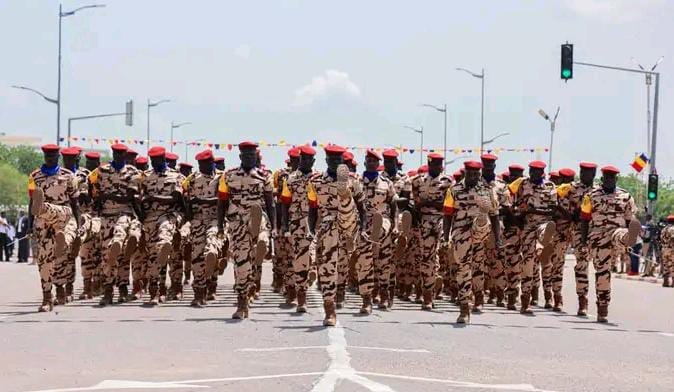
In N’Djamena, the 66th anniversary of independence unfolded with a military parade as the sole highlight. Between economic pressures and a lack of cultural engagement, public enthusiasm remained subdued.
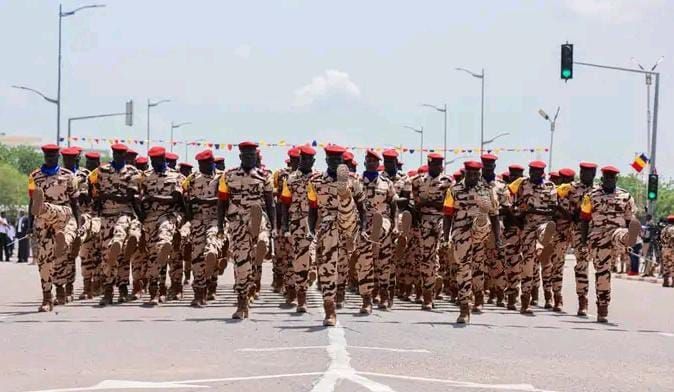
The 11th of August 2026 marked Chad’s 66th year of independence. In N’Djamena, the only unmissable event was the annual military parade—a display of discipline and strength to commemorate the nation’s sovereignty, declared in 1960. Yet, beyond the formalities, the streets told a different story.
While national flags fluttered from buildings and official speeches echoed through the city, the palpable excitement of a true national celebration was nowhere to be found. Markets bustled with activity as vendors attended to their usual trade, and life in most neighborhoods carried on as if it were any other day. The absence of public festivities left the anniversary feeling more like a routine Tuesday than a landmark event.
The parade stands as the centerpiece of independence day
For decades, the military parade has dominated Chad’s independence commemorations. Soldiers, security forces, and government officials gather in a meticulously organized display, reinforcing the state’s role in preserving national memory. Yet, this highly structured event raises a critical question: How can the celebration move beyond mere protocol to truly resonate with citizens?
In many African capitals, independence day has evolved into a vibrant mix of culture, sports, and entertainment. Free concerts, festivals, and sporting events draw large crowds, especially among the youth, turning the occasion into a collective experience. N’Djamena, however, has yet to embrace this dynamic. Without a major public concert or cultural event, the capital missed an opportunity to foster unity and pride among its people.
Economic realities overshadow national pride
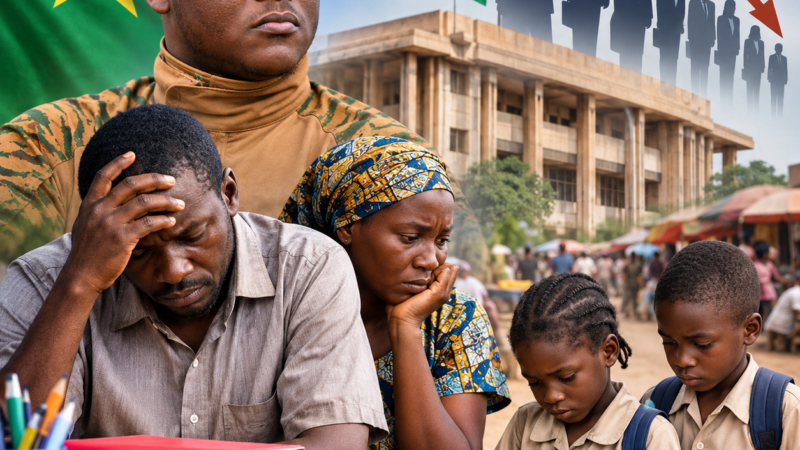
The unrelenting activity in N’Djamena’s markets on independence day underscores a harsh truth: for many, survival depends on daily earnings. A public holiday would mean lost income for informal workers, street vendors, and small business owners. In a city where financial stability is a day-to-day challenge, skipping work simply isn’t an option. This economic reality casts a shadow over the celebrations, highlighting the gap between official rhetoric and the lived experiences of ordinary citizens.
The stakes are especially high for young people in N’Djamena, a city teeming with talent in music, sports, and the arts. Independence day could serve as a platform for them to showcase their skills—through free concerts, sports tournaments, or open-air festivals. Such initiatives wouldn’t just entertain; they would empower the youth to take part in shaping the nation’s collective identity.
Rethinking independence day for a modern Chad
Seventy-six years after gaining independence, Chad’s approach to its national day feels increasingly outdated. A true celebration should transcend military parades and government ceremonies. It should reflect the nation’s cultural richness, foster intergenerational dialogue, and give every citizen a voice.
As the parade unfolds and the markets remain open, the contrast is striking. The state commemorates, the military marches, and the people work. The challenge now is to reimagine independence day—not as a spectacle for spectators, but as a shared experience that unites all Chadians. Sovereignty, after all, is not just about uniforms and flags; it’s about culture, creativity, and the collective spirit of a nation.