Saturday, November 21

International

Cameroon shaken as veteran politician Hamadou Moustapha dies at 81
International

Cameroon shaken as veteran politician Hamadou Moustapha dies at 81

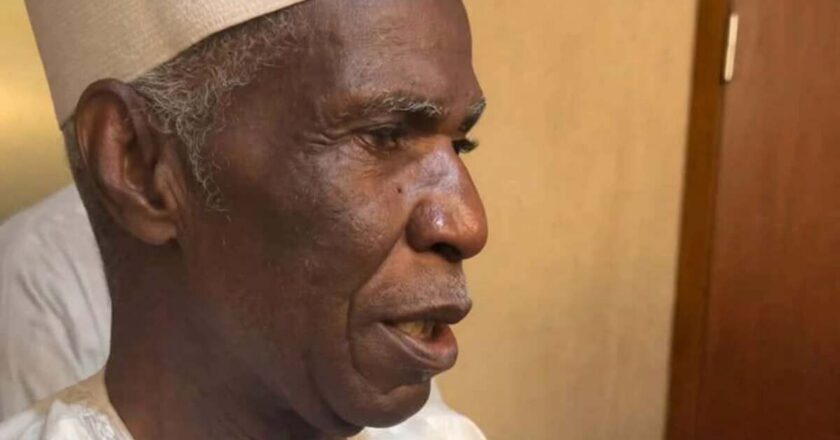
The passing of Cameroon’s political titan Hamadou Moustapha at 81 has sent shockwaves through the nation’s corridors of power and reignited debates about leadership legacy. Moustapha’s death on November 11, 2026, in Yaoundé, following a prolonged illness, leaves behind a political career spanning five decades—a journey that mirrored Cameroon’s turbulent transformation from single-party rule to a semi-democratic system. The arch of a political survivor: From Ahidjo’s administration to Biya’s era Born on May 11, 1945, in Maroua—within the Diamaré region of northern Cameroon—Moustapha cut his teeth in civil service before rising through the ranks during the administration of President Ahmadou Ahidjo. By 1972, he was serving at the presidency, and in a landmark appointment on June 30, 1975,...
Gabon-China deals spark debate: will new partnerships benefit local communities?
International

Gabon-China deals spark debate: will new partnerships benefit local communities?

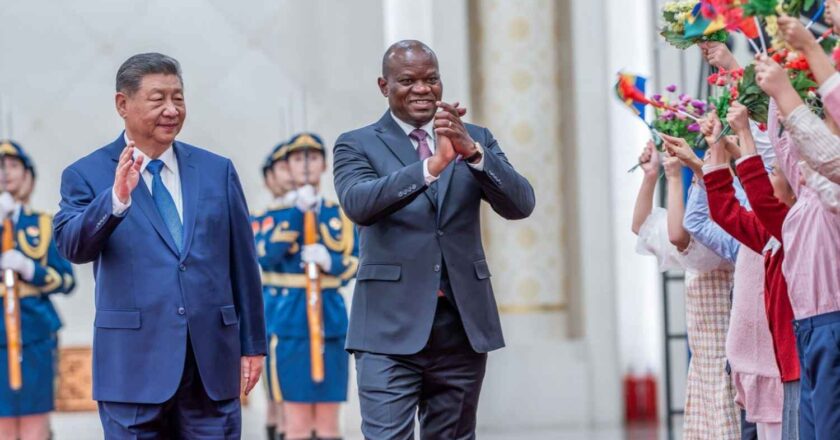
Public scrutiny grows as Gabon-China mineral and tech pacts reshape local economy With President Brice Clotaire Oligui Nguema’s recent state visit to Beijing, Gabon and China have formalized a wave of economic agreements that are now fueling intense public debate. While officials highlight long-term growth opportunities from mining and digital infrastructure deals, critics are raising concerns about real benefits for local families and job creation. The controversy centers not just on the scale of the projects—but on who stands to gain most. Mining megadeals: from raw export to local processing ambitions The joint declaration issued in early November marks a clear pivot from exporting raw minerals toward building domestic processing capacity. The most ambitious project involves a US$198...
What’s next after Paris? the african push for global influence at forum 2026
International

What’s next after Paris? the african push for global influence at forum 2026

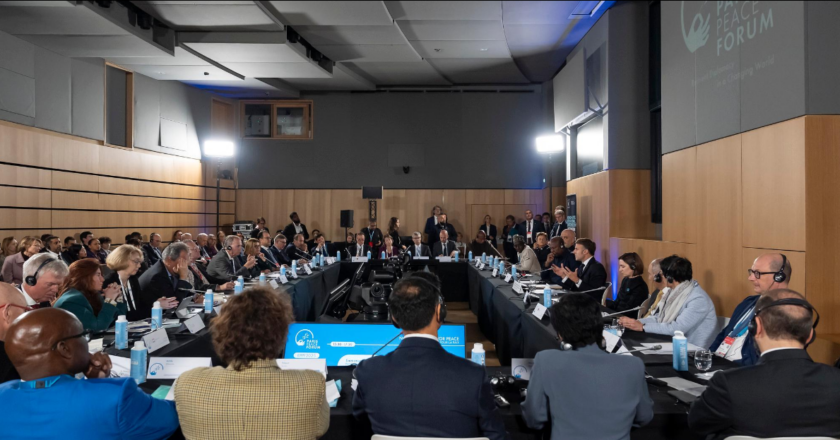
The ninth edition of the Paris Peace Forum, held November 10-11, 2026, became a battleground of voices—not just for Europe, but for Africa. Among the most closely watched participants were Senegal and Benin, whose presence signaled a turning point in how the continent engages with global challenges. At a moment when geopolitical tensions, technological disruption, and economic rivalries reshape the world order, these two nations stepped forward not just to listen, but to shape the conversation. Key players take the floor: how Senegal and Benin stepped into the spotlight The forum brought together heads of state, digital innovators, and global policymakers to debate responses to the world’s most pressing crises. Senegal arrived with President Bassirou Diomaye Faye, who met President Emman...
2027 French presidential race: the critical battle for ballot access amid rising candidate counts
International

2027 French presidential race: the critical battle for ballot access amid rising candidate counts

As France gears up for the 2027 presidential election, the political landscape is becoming increasingly crowded. More than 30 figures—from seasoned politicians to civil society leaders and even Olympic champion Teddy Riner—have publicly declared their intentions to run. Yet, declaring a candidacy is just the first step. The real hurdle lies in securing the mandatory 500 endorsements from elected officials, a process that has sparked intense debate over fairness, transparency, and the very essence of democratic representation. From ambition to validation: the unforgiving path to the ballot France’s presidential race is notorious for its strict eligibility rules. Simply announcing a bid does not guarantee a spot on the ballot. Candidates must navigate a labyrinth of legal requirements, with...
UN vote impasse leaves Western Sahara at crossroads after MINURSO ends
International

UN vote impasse leaves Western Sahara at crossroads after MINURSO ends

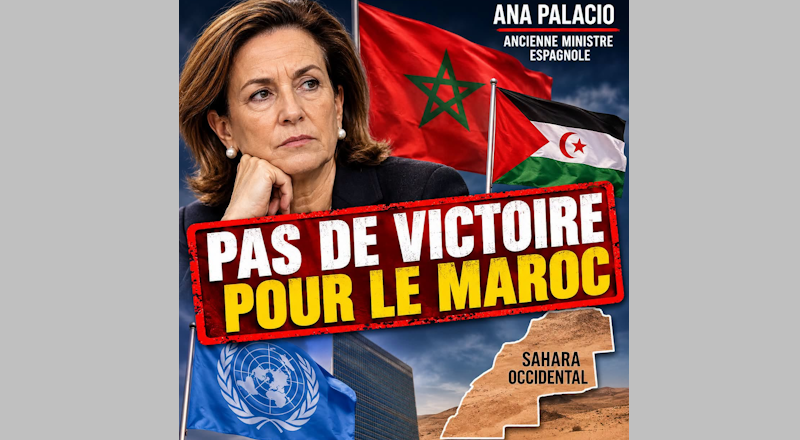
After MINURSO's departure, the geopolitical fallout reshapes North Africa The United Nations Security Council has just witnessed one of its most contentious episodes in years, exposing deep divisions among permanent members and casting uncertainty over international conflict resolution mechanisms. With the collapse of the UN Mission for the Referendum in Western Sahara (MINURSO) on October 30, the stage is set for a new era of regional power struggles—one where legal victories remain elusive despite political declarations. Breakdown of UN diplomacy: why the Russian veto derailed Western Sahara talks After 35 years since its deployment in 1991, MINURSO entered liquidation when a critical diplomatic moment collapsed. The showdown began when the United States pushed a resolution that would...
Cyberleak exposes shocking Russian death toll in Ukraine, sparking global scrutiny
International

Cyberleak exposes shocking Russian death toll in Ukraine, sparking global scrutiny

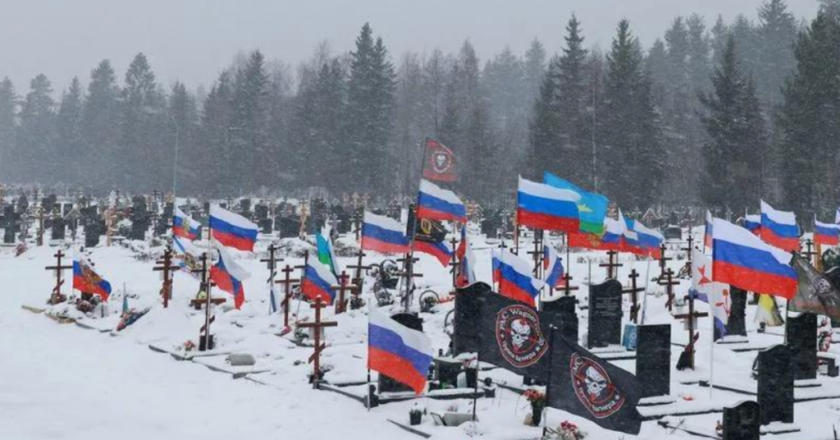
Leaked Rosstat files ignite debate over Moscow’s hidden war losses In a stunning escalation of war transparency, hacked Russian government documents claim over 412,000 soldiers have died in Ukraine since 2022. The unprecedented cyberleak is igniting fierce debate across Europe and beyond, forcing the Kremlin to confront the unspoken human cost of its invasion. But as the data emerges from the shadows, questions remain: how accurate is this figure, and what does it mean for Russia’s future? What the hacked documents reveal Anonymous cyber groups operating under the names Silent Crow and Cyberpartisans Belarus claim to have breached Rosstat, Russia’s federal statistics agency, extracting sensitive documents including official death certificates. Among the files, a staggering 412,576 mili...
Niger’s citizenship revocations ignite debate: security measure or political vendetta?
International, Politics

Niger’s citizenship revocations ignite debate: security measure or political vendetta?

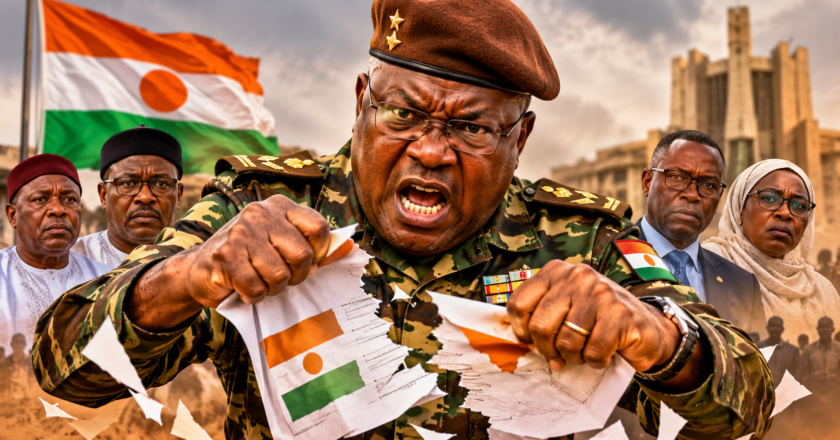
The fallout from Niger’s latest citizenship revocations has intensified the debate over whether General Abdourahamane Tiani’s government is safeguarding national security or targeting political opponents. The recent decree stripping five prominent figures including former Prime Minister Ouhoumoudou Mahamadou of their Nigerien nationality brings the total to 25 since October 2024, raising serious questions about the regime’s motivations.From security to score-settling: the shifting narrative of nationality revocationsSince seizing power in July 2023, the military junta has framed citizenship revocations as a vital tool to protect Niger’s fundamental interests. Yet the latest decrees targeting not only alleged criminals but also key figures from former President Mohamed Bazoum’s administrati...
Western Sahara UN withdrawal sparks debate over Europe’s migration and security future
International

Western Sahara UN withdrawal sparks debate over Europe’s migration and security future

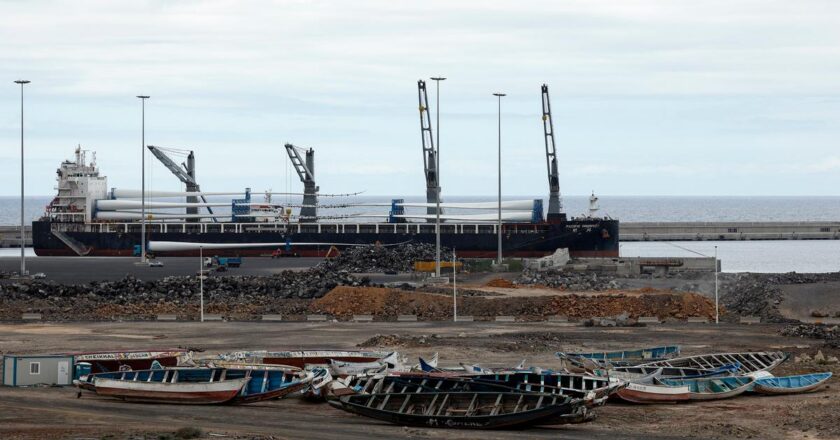
The unexpected decision by the United Nations Security Council to end the mandate of the MINURSO peacekeeping mission in Western Sahara has sent shockwaves through European corridors of power. As the UN confirmed the mission’s liquidation phase beginning November 1, the 359 civilian and military personnel who have patrolled the disputed territory since 1991 are now packing up. Behind them, they leave a frozen conflict that has divided Morocco and the Algeria-backed Polisario Front for over half a century. With tensions simmering just beneath the surface, this move has ignited a fierce debate across Spain, the Canary Islands, and the broader European Union about what comes next., The domino effect on Spain and the Canary Islands The termination of MINURSO’s mandate is far from just a geopo...
Paraguay’s banking catastrophe: how Ueno Bank’s collapse forced president Peña’s abrupt exit
International

Paraguay’s banking catastrophe: how Ueno Bank’s collapse forced president Peña’s abrupt exit

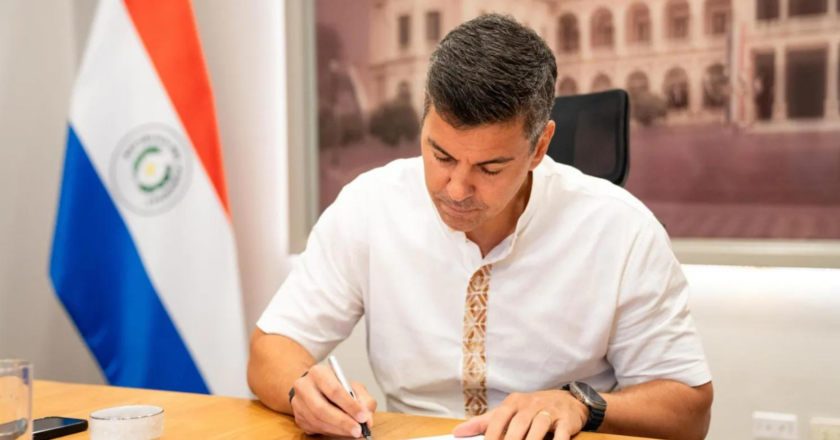
Paraguay’s political earthquake: Peña steps down as Ueno Bank meltdown sparks nationwide unrest Asunción, November 5, 2026 — After days of mounting pressure, President Santiago Peña of Paraguay announced his resignation today, caving in to a triple threat: the catastrophic collapse of Ueno Bank, escalating public fury, and an imminent impeachment vote in Congress. His departure plunges the nation into uncharted political and financial turbulence, leaving nearly three million depositors still locked out of their life savings and retirement funds. The president framed his decision as a desperate move to prevent further harm to Paraguay’s stability, social peace, and democratic institutions. Speaking in a national address broadcast just hours before lawmakers were set to vote on his removal...
Niger’s new geopolitical chessboard: who gains ground in the Sahel power struggle
International

Niger’s new geopolitical chessboard: who gains ground in the Sahel power struggle

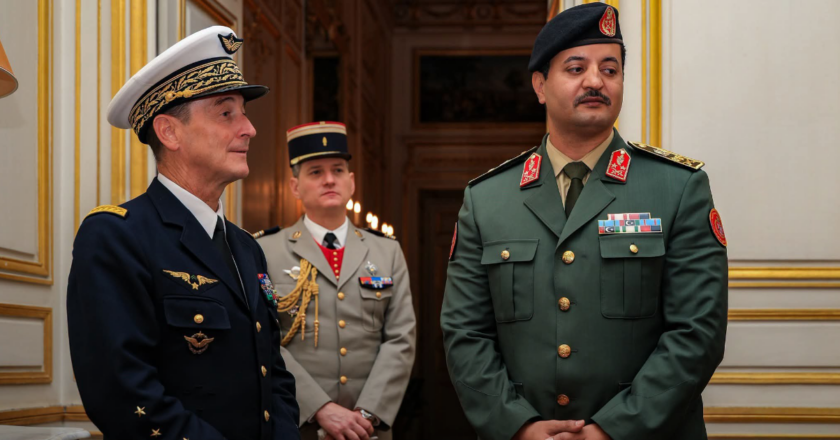
The dust of shifting alliances in the Sahel has barely settled, but one thing is clear: the fallout is reshaping the region’s security and political landscape. The latest diplomatic and military moves—unfolding from Benghazi to Paris—point to a high-stakes reconfiguration, with Niger emerging as the central arena where regional powers vie for influence. Behind the headlines: what sparked the latest Sahel realignment The geopolitical tremors began with a high-profile visit: on November 1, 2026, Niger’s Prime Minister Ali Mahaman Lamine Zeine traveled to Benghazi, Libya, where he met with Saddam Haftar, deputy commander of the Libyan National Army under the leadership of Field Marshal Khalifa Haftar. Their talks culminated in a strategic cooperation agreement—its details still undisclosed—b...
US midterms 2026: democratic wins spark intense debate over America’s global role
International

US midterms 2026: democratic wins spark intense debate over America’s global role

After the shock: what the 2026 midterms mean for US foreign policy The Democratic capture of both houses of Congress on November 3, 2026, delivers a stunning rebuke to President Donald Trump just two years into his second term. What began as a routine midterm election has exploded into a defining moment for American diplomacy, with far-reaching consequences for allies, adversaries, and the balance of global power. As the dust settles, the real battleground shifts from the ballot box to Capitol Hill—and the world is watching. From the halls of Parliament in London to the corridors of the United Nations in New York, diplomats, analysts, and world leaders are scrambling to interpret the fallout. The incoming Democratic majority is poised to challenge Trump’s most controversial foreign polic...
Gabon’s historic carbon deal sparks global controversy and reshapes climate funding debates
International

Gabon’s historic carbon deal sparks global controversy and reshapes climate funding debates

The Gabonese Agency for Green Economy Development (Agadev) has finalized a landmark sovereign carbon credit agreement with Sefe, a German government-owned energy company, committing to transfer approximately 6 million eligible Corsia CO2 tonnes under the Art-Trees standard. The pact, signed in London, represents more than just a financial transaction—it has ignited a firestorm of international commentary and raised urgent questions about the future of climate finance and Africa’s role in global carbon markets. The first credit deliveries are scheduled no later than the first quarter of 2027, but the real debate is already heating up. Critics question whether such deals truly benefit local communities, while supporters argue they set a new precedent for sustainable development financ...