Cameroon president’s absence fuels scrutiny over governance
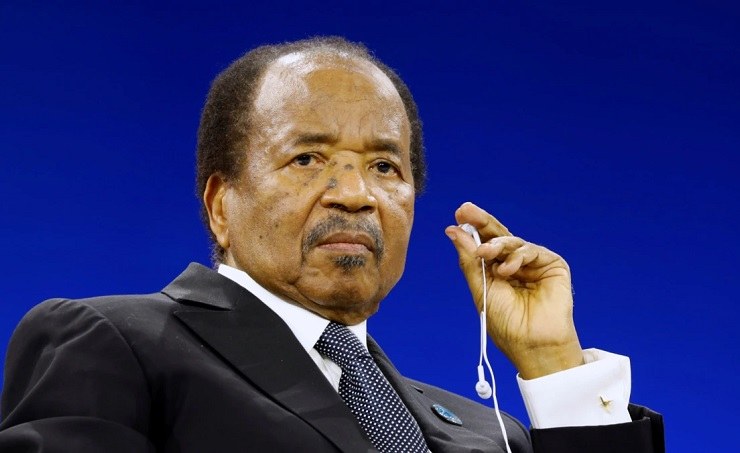
The prolonged absence of Cameroon’s Head of State, President Paul Biya, has intensified public debate about the country’s political stability and institutional continuity. At 93 years old, the veteran leader has not been seen in public since late May 2026, prompting urgent calls for clarity from both domestic observers and international media.
Government denies power vacuum despite prolonged absence
In an official statement carried by national broadcasters, government spokesperson René Emmanuel Sadi firmly rejected rumors surrounding the President’s health. “The President is alive and fully in command. There is no power vacuum,” Sadi stated, without providing further details on Biya’s whereabouts or return timeline. His remarks were intended to quell rising speculation fueled by the Head of State’s two-month absence from the capital.
Opposition demands transparency and warns of institutional risks
The silence from the presidency has emboldened opposition voices to demand greater accountability. Prominent figures, including Jean-Michel Nintcheu of the Union démocratique du Cameroun (UDC), have urged the Constitutional Council to formally acknowledge any potential power void. They argue that prolonged uncertainty threatens national stability and violates constitutional norms, particularly regarding the peaceful transition of leadership.
Critics point to what they describe as a “governance by proxy” model—where power is exercised remotely without clear public oversight—as a dangerous precedent for a nation governed by strict constitutional procedures.
Constitutional safeguards in case of presidential vacancy
Under Cameroon’s Constitution, Article 6, paragraph 4, outlines a clear protocol should a permanent vacancy occur—whether due to death, resignation, or verified incapacity. The Council must confirm the vacancy, and a presidential election must be organized within 20 to 120 days of the vacancy being declared. During this interim period, the Senate President assumes leadership duties, followed by the First Vice President in the event of the Senate President’s inability to serve.
This transitional leader is constitutionally barred from altering the Constitution, reshuffling the government, calling referendums, or standing as a candidate in the subsequent election—measures designed to prevent abuse of interim authority.
Public unease grows amid shifting political narratives
While the government continues to project confidence in its messaging, the lack of verifiable updates has only deepened skepticism. Citizens, civil society groups, and political analysts alike are questioning the transparency of state communications, especially as the nation navigates a critical juncture in its leadership continuity.