Burkina Faso tightens media grip after Canal+ fine
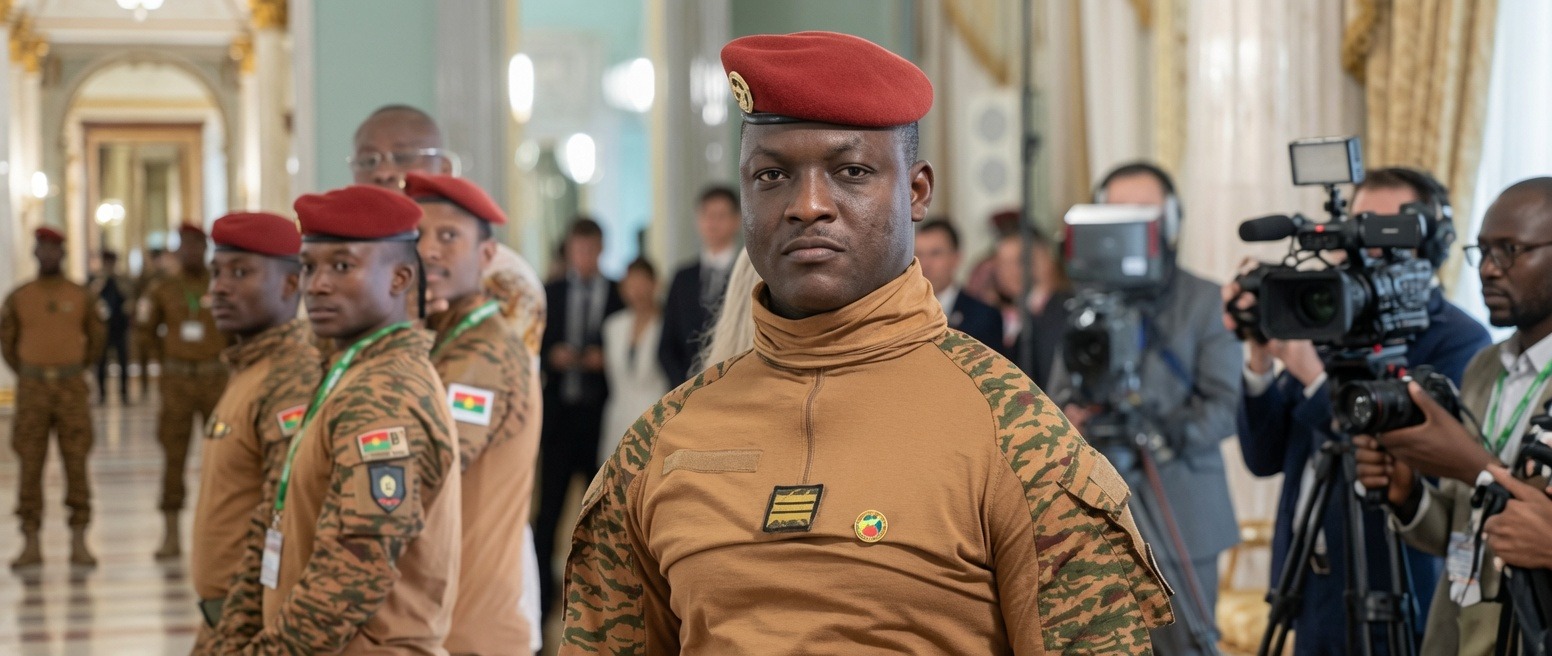
The Burkinabè authorities have just taken a decisive step in their campaign to stifle dissent, imposing a staggering 200 million FCFA fine on Canal+ International via the Council for Higher Communication (CSC). What appears to be a regulatory move is, in reality, a calculated assault on journalistic freedom and plural public discourse.
When regulation becomes political censorship
Officials claim the fine stems from a commitment to audiovisual sovereignty and consumer rights, insisting that Canal+’s subscribers must have seamless access to the state-run RTB channels. Yet beneath this technical pretext lies a far more troubling agenda: the systematic suppression of any narrative that challenges the ruling narrative.
By targeting an international broadcaster of Canal+’s stature, the government is sending an unmistakable message to all media outlets, regardless of their reach. Satellite and terrestrial channels alike are now under the government’s scrutiny, with no escape from its control mechanisms.
The red lines of Burkinabè broadcasting
The timing of this sanction is no coincidence. Canal+ had increasingly pushed the boundaries with its news and political debate programs, offering platforms where security issues were dissected critically, opposition voices were amplified, and official rhetoric was scrutinized. Each time a broadcast crossed an invisible threshold—whether through investigative reporting, dissenting opinions, or unfiltered analysis—the CSC’s machinery of repression swung into action.
The message is clear: independent journalism is no longer tolerated. Media houses are now forced into a grim calculus—either self-censor to avoid crippling fines or risk losing their operating licenses entirely. The goal is not regulation; it is compliance with a single, state-sanctioned narrative.
The escalating crackdown on Burkinabè media
This fine is not an isolated incident but part of a broader pattern of repression against both local and international media operating in Burkina Faso:
- Arbitrary suspensions: Countless broadcasters have faced sudden blackouts or permanent shutdowns for reporting facts deemed unfavorable by state authorities.
- Silencing local voices: Journalists and analysts operating outside state control face relentless intimidation, from forced interrogations to legal threats under charges such as undermining national morale.
- Erosion of public knowledge: By restricting access to global news sources and imposing strict editorial controls on national media, the government is systematically depriving citizens of diverse, factual information.
A perilous path toward isolation
Far from reinforcing national unity, this strategy of media strangulation is isolating Burkina Faso from the global community. By weaponizing the CSC and turning it into an instrument of political control, authorities are not safeguarding sovereignty—they are suffocating democracy.
The surge in punitive measures against independent journalism reveals a regime increasingly fearful of truth. Instead of fostering legitimacy, these actions deepen the country’s disconnect from reality, leaving citizens trapped in a monologue of state propaganda while the world moves forward.