Burkina Faso: swapping Paris for Moscow is not sovereignty
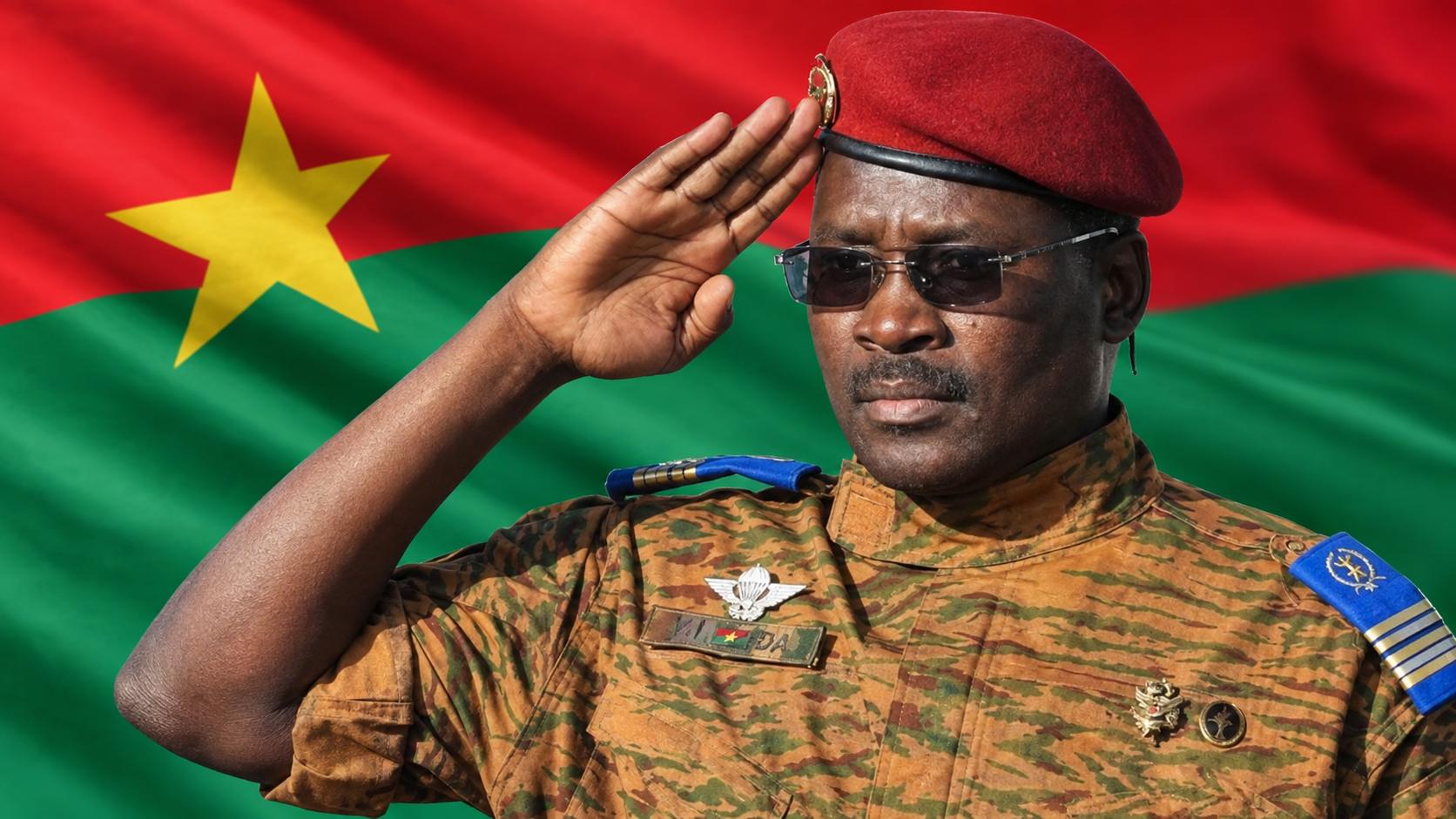
General Yacouba Isaac Zida could hardly have been more pointed when he argued that genuine sovereignty has nothing to do with selecting which foreign power to lean on, and everything to do with acquiring the means to lean on nobody at all. That remark cuts straight into the political fiction promoted by Captain Ibrahim Traoré within the Alliance of Sahel States. A one-time head of Burkina Faso’s transitional executive, later dismissed from the army for desertion and now in exile, Zida also personifies the paradoxes of a Burkinabè military class that cannot break out of its cycle of instability and unkept promises.
Ouagadougou’s headlong dive into Moscow’s orbit, packaged as an “anti-imperialist rupture”, amounts to nothing more than a crude renegotiation of the terms of subordination. Beneath the populist slogans, the transitional authorities conceal a chronic inability to construct real autonomy, and the country remains bound to four external dependencies at the same time.
Four leashes hidden behind the rhetoric of rupture
Doctrine and firepower that come from elsewhere
The promise of a genuinely national defence instrument collapses once foreign instructors and paramilitary personnel are called in as a matter of routine. Aircraft, ammunition and light armoured vehicles are regularly branded “locally produced” when in fact they are merely assembled on site, a detail that confirms how completely the supply chain answers to outside actors.
Food: the most humiliating leash of all
Self-reliance as a slogan runs straight into the facts. The carefully staged coverage of Russian wheat deliveries, and the repeated appeals for international humanitarian assistance to feed displaced communities, show that the authorities cannot even guarantee the bare survival of their own citizens.
A budget kept alive by outside lenders
Unable to fund its crisis spending from clean domestic resources, the military government falls back on financial stopgaps and emergency credit obtained from new geopolitical sponsors, a short-term fix that mortgages the economic prospects of future generations.
Technology and strategy: no way out
Whether the subject is farm inputs or energy equipment, the absence of any self-standing industrial base leaves the country begging beyond its borders for what it cannot manufacture at home.
The Alliance of Sahel States: a banner over an internal collapse
The haste to stand up a confederal army and supranational bodies inside the Alliance of Sahel States is a propaganda flight forward, and it dodges two uncomfortable realities.
- Domestic emergencies pushed aside: claiming to merge regional sovereignties while large parts of the national territory escape state control is strategic blindness. Securing populations and strengthening basic institutions should come first, not the stacking of empty shells.
- Legitimacy staged for the cameras: an endless stream of summits and fiery declarations works above all as a political shield, allowing unelected emergency governments to entrench themselves at the expense of serious, realistic planning.
Real sovereignty is not displayed in military parades, nor is it measured by handouts of foreign grain. By trading Paris’s tutelage for Moscow’s, Captain Traoré has not set Burkina Faso free. He has only changed its guardian.