Building peace and resilience in Niger through inclusive dialogue
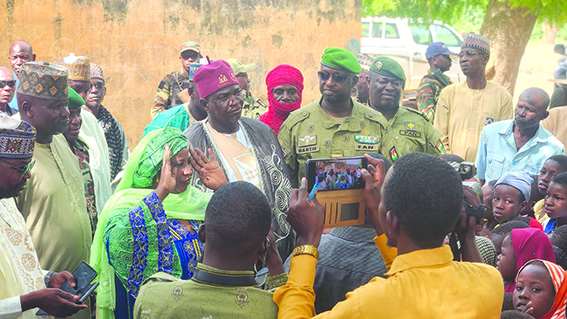
In the face of escalating security threats and terrorist attacks across multiple regions in Niger, a growing number of stakeholders are stepping up with innovative approaches to foster long-term stability. At the heart of these efforts lies the power of inclusive dialogue—a proven strategy to strengthen social cohesion and counter violent extremism. This national priority involves not only government action but also active participation from all sectors of society at every level.
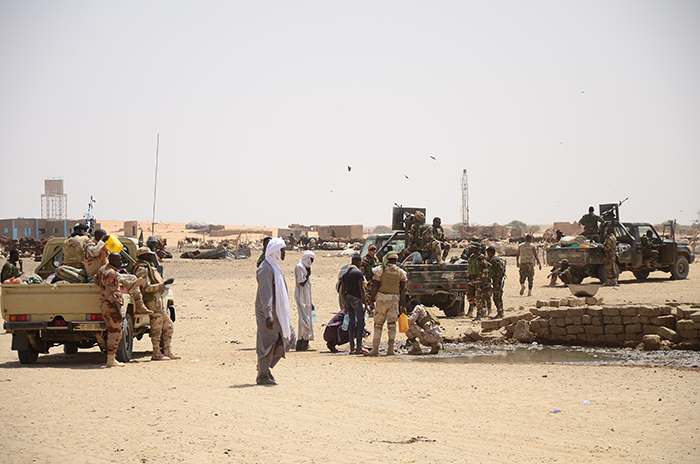
voices from communities facing daily challenges
Despite robust state interventions, communities in high-risk zones such as Tera, Makolondi, and Torodi continue to face severe day-to-day obstacles. Local residents acknowledge the tireless efforts of national authorities in their quest for peace and security. The regular presence of Defense and Security Forces through patrols has become a lifeline for these populations, enabling them to carry out essential activities like farming and movement. Without this protective shield, daily life grinds to a halt.
Seydou Hamidou, a youth leader from the rural commune of Makalondi in Torodi department, shared firsthand accounts during the Niamey forum. He highlighted the grim realities faced by young people in his community: forced recruitment by armed groups, escalating school dropout rates, and rising unemployment. “When security forces are absent, life becomes unbearable,” he explained. “Young people have no choice but to leave the country in search of safety. Bandits seize our livestock, extort illegal taxes, and block access to farmlands. It’s a cycle of violence and despair.”
Victor Harouna, a resident of Téra who also attended the forum, described the economic toll of insecurity. Transportation costs have skyrocketed—what once cost 3,000 CFA francs now reaches 10,000 to 15,000 francs. Crops are routinely sabotaged, and displaced families struggle to return home. “Many have come back thanks to military interventions,” he noted, “but the challenges remain immense.”
Women bear a disproportionate burden. Amina, a community leader from Torodi, reflected on how women once thrived through income-generating activities. Today, they face mounting worries: children out of school, husbands lost to violence, and displacement that leaves families without means to survive. “We need stronger security presence,” she pleaded. “Without it, our communities cannot heal.”
state-led initiatives to restore security and hope
The State’s commitment to restoring peace is evident in its coordinated actions. Captain Boureima Dobi, Prefect of Torodi, outlined efforts to support displaced populations. Thanks to Defense and Security Forces, over 800 displaced individuals have returned to their villages in Makalondi, with plans underway for a second wave of reintegration. “The State is not idle,” he emphasized. “We continuously address food and shelter needs to ensure our people’s well-being.”
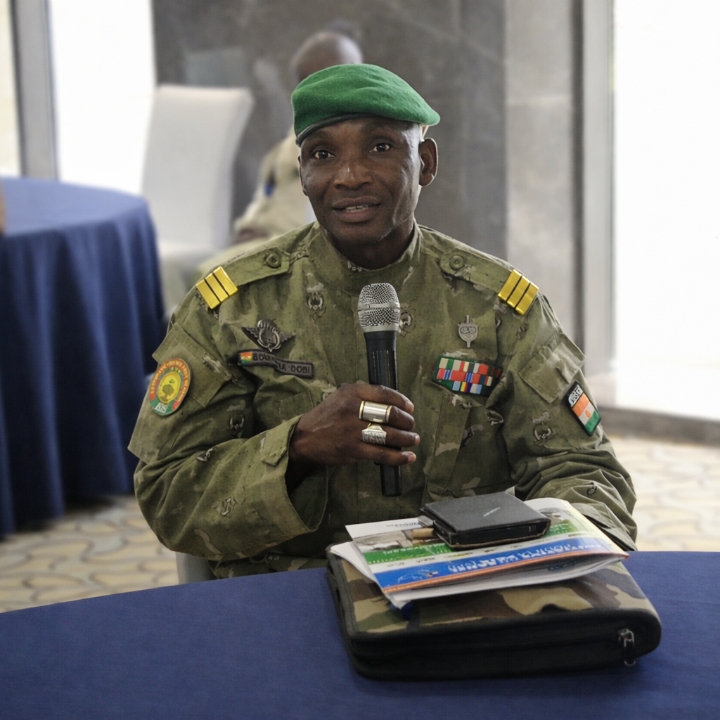
He stressed the critical role of collective vigilance, noting that local complicity with terrorists complicates security operations. “We must foster patriotism and responsibility,” he urged. “Communities need to understand the stakes. Recently, four individuals surrendered weapons and rejoined society—this is progress.”
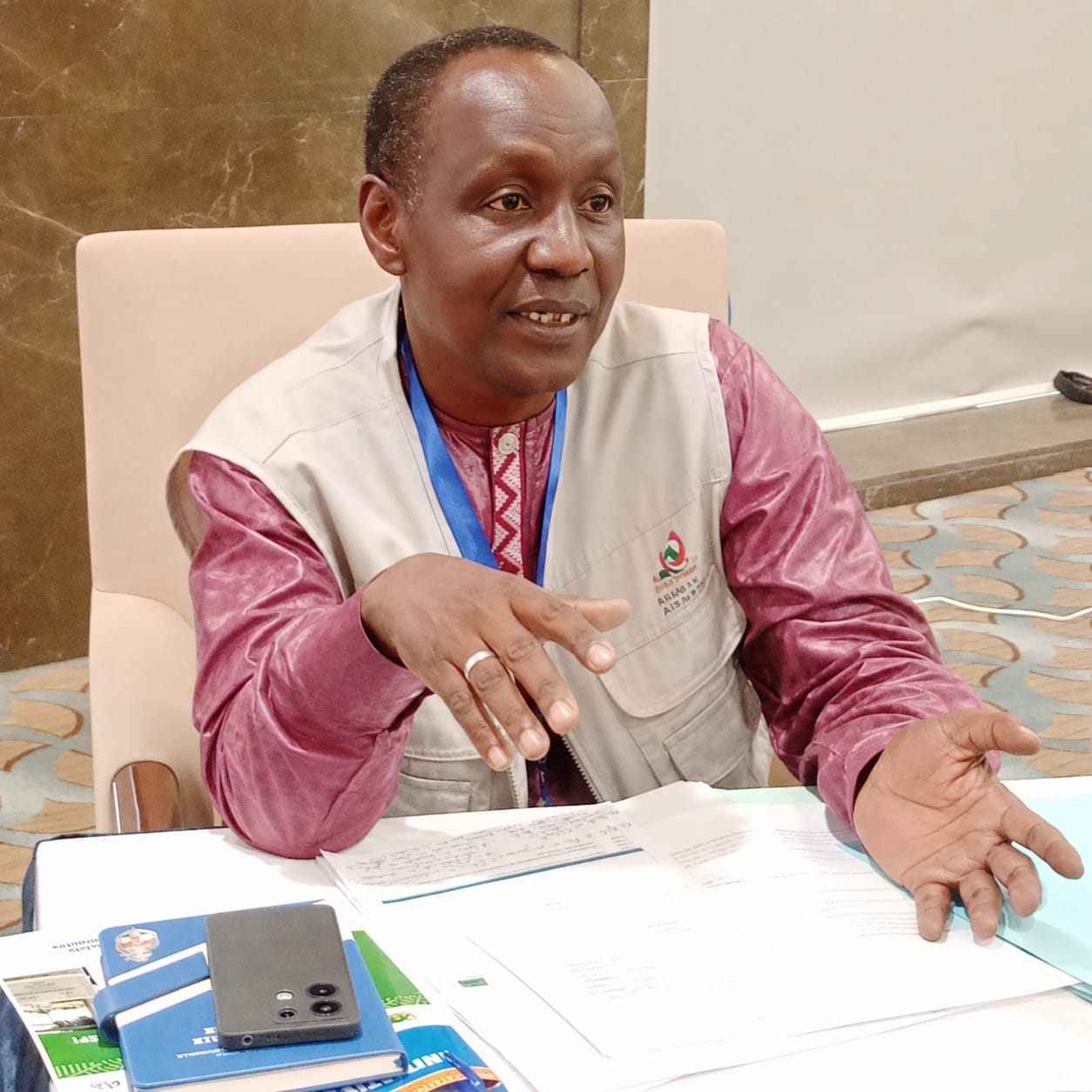
Since the establishment of the National Council for the Safeguard of the Homeland (CNSP), Niger has prioritized peacebuilding and national cohesion, rooted in indigenous values. The High Authority for Peace Consolidation (HACP), reporting directly to the President, plays a pivotal role. Boubacar Hamidou, Director of Recovery and Stabilization at HACP, explained the institution’s focus on empowering local leaders, youth, and women through conflict prevention, capacity-building, and community resilience programs. “Trust between citizens and institutions is essential,” he said. “We work hand-in-hand with local councils to restore stability and foster development.”
the Sahel peace initiative (spi): a regional commitment to collective resilience
The Sahel Peace Initiative (SPI), launched in 2019 under the auspices of West African Episcopal Conferences and partners like the CJP Burkina, brings together Christian and Muslim communities across the Sahel—including Niger, Mali, and Burkina Faso. Its mission is to promote social cohesion, interfaith dialogue, and community resilience in vulnerable areas of Niger. “Dialogue is the foundation of peace,” emphasized Archbishop Laurent Lompo of Niamey during the national forum. “We must unite all generations—men, women, and youth—to discuss peace, security, and shared prosperity.”
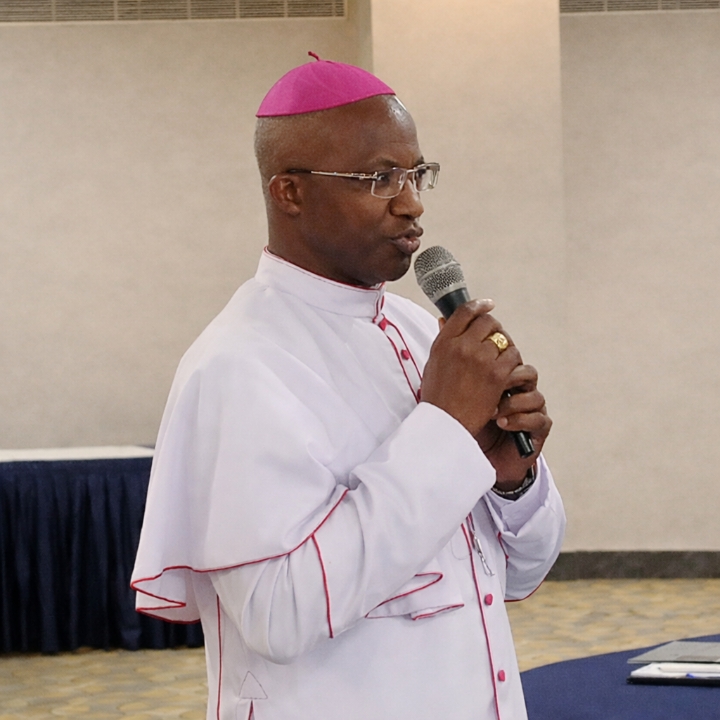
The SPI’s strategic pillars include youth employment and entrepreneurship, peace education, inclusive leadership, digital innovation, psychosocial support, and the mobilization of national peace efforts. The Niamey forum in June 2026 produced actionable recommendations to deepen social cohesion and stability in Niger.
religious leaders at the forefront of peacebuilding
Religion plays a pivotal role in Niger’s security landscape, with extremist groups often exploiting faith to justify violence. Recognizing this, religious leaders have taken bold steps to counter hate speech and promote coexistence. The National Committee for Intra- and Interreligious Dialogue (CDIR), formed to address Boko Haram’s threats in the Diffa region, has expanded nationwide. Its mission: to dismantle tensions fueled by divisive rhetoric and to resolve conflicts rooted in religious or communal divides.
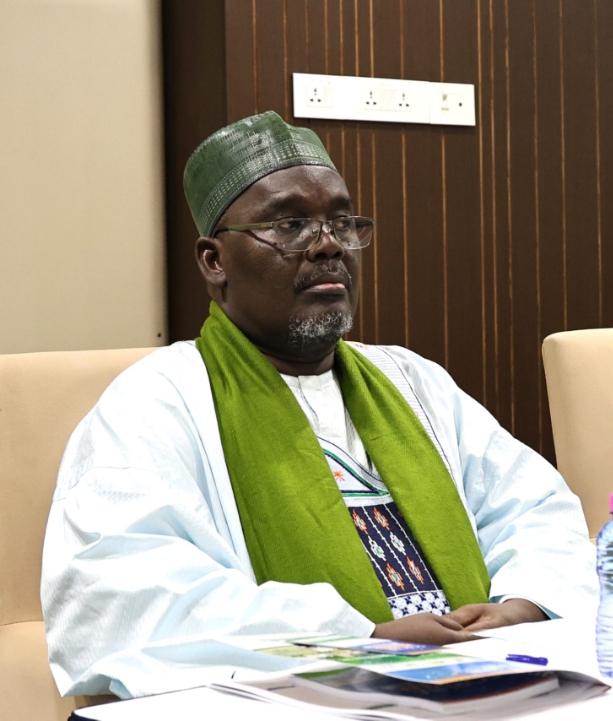
“Our goal is to prevent religiously motivated conflicts,” stated Honorable Cheikh Barham Aboubacar, CDIR’s National Coordinator. “Dialogue clarifies misunderstandings, fosters mutual understanding, and mitigates sensitivities that could spark violence.” The CDIR’s grassroots approach includes decentralized peace committees, local peace cells, and communal initiatives that address land and intercommunal disputes—often exacerbated by misinterpreted religious narratives.
Through ongoing engagement with the national refoundation authorities and the CNSP, religious leaders are championing unity amid political and social turbulence, proving that faith can be a force for healing rather than division.
community media: the voice of reason in turbulent times
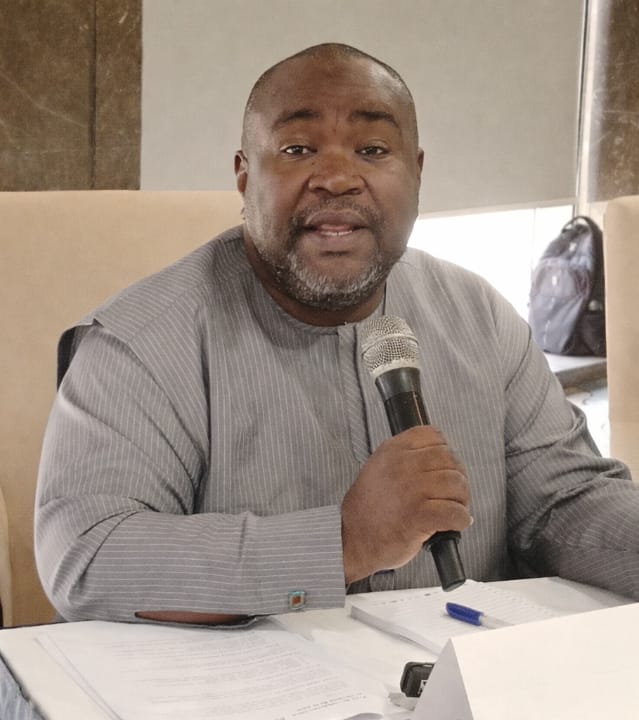
In times of crisis, credible information is a lifeline. Community media—including local radio stations and digital platforms—serve as trusted sources to counter misinformation, expose malicious narratives, and foster unity. Alhassane Mahamane, Editor-in-Chief of Studio Kalangou, underscored the unique role of community radio: “These outlets are not just broadcasters; they are educators and advocates. They amplify local voices, address community concerns, and highlight priorities that matter most.” By providing platforms for dialogue, they help communities navigate uncertainty with clarity and resilience.
women as pillars of peace and development
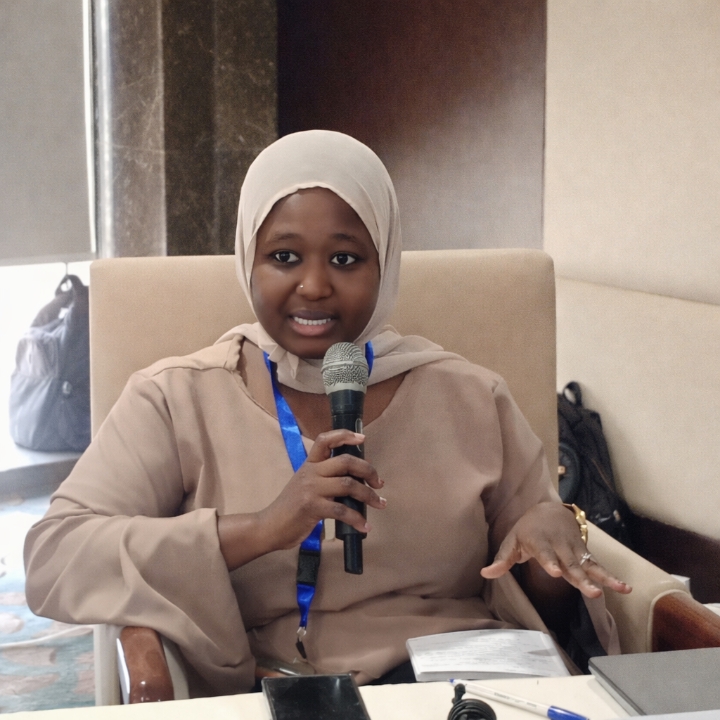
Women are increasingly recognized as essential agents of change in Niger’s peacebuilding journey. Amina Boukary, Partnership Coordinator with the NGO Femmes, Actions et Développement (FAD), highlighted their growing networks and initiatives in community development. “Women are not just beneficiaries—they are leaders,” she said. “They create income-generating activities, educate children, and strengthen social cohesion.” However, to fulfill this role fully, women need sustained support: capacity-building, access to education for girls, and inclusion in local decision-making processes. “Women make up half the population. Their realities must be reflected in peace strategies,” she asserted. “We must invest in women’s leadership to build resilient communities.”
As Niger continues its path toward stability, one truth emerges: peace is not a spectator sport. It demands the unwavering commitment of every citizen—youth, women, men, leaders, and communities alike. Through inclusive dialogue, collective resilience, and shared responsibility, a future of security, unity, and prosperity is within reach.