Benin’s tourism boom: how targeted investments are reshaping travel in west africa
Once overshadowed by larger tourist hubs on the continent, Benin has successfully turned its fortunes around through a bold decade-long strategy. By channeling nearly €2 billion into cultural heritage, historical landmarks, and modern hospitality infrastructure, the country has transformed itself into a magnet for travelers across West Africa, with Nigeria emerging as a key driving force behind this surge.
Lagos-Cotonou corridor: the new gateway for regional tourism
The rise of a thriving tourism corridor linking Lagos to Cotonou stands as a testament to this transformation. Just 90 minutes by road from Benin’s economic capital, Nigeria’s sprawling metropolis—home to over 20 million residents—has become an unparalleled source of visitors eager to explore what Benin has to offer.
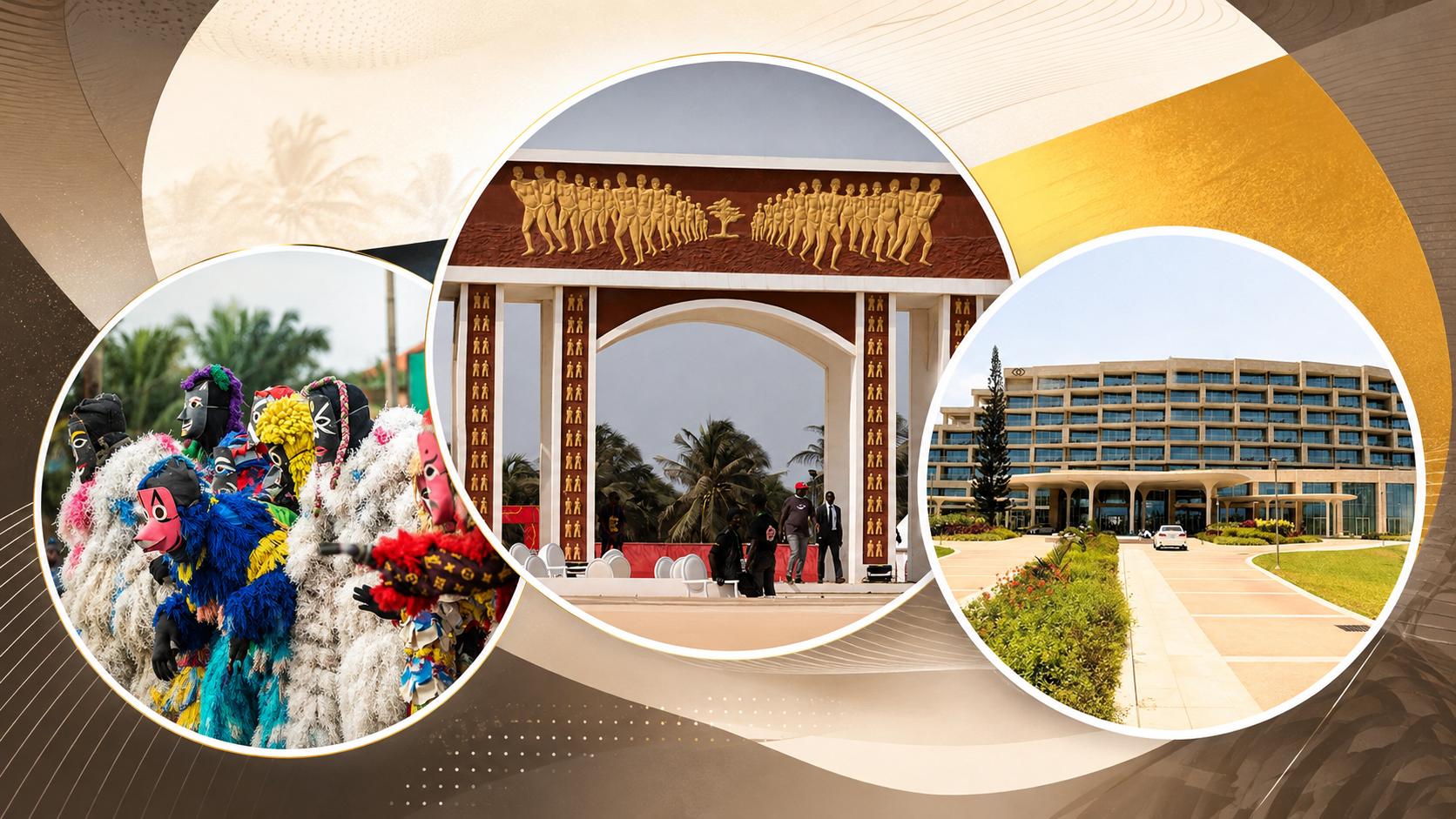
The benefits are already evident. At the Sofitel Cotonou Marina, the country’s first five-star property which opened in late 2024, weekend bookings are dominated by Nigerian travelers seeking relaxation, leisure, and luxury experiences. The seamless travel experience is further enhanced by Benin’s policy of visa-free entry for all African nationals and the direct land route from Lagos, eliminating the need for expensive regional flights.
Cultural festivals fueling international interest
Beyond leisure and business travel, Benin’s rich ancestral traditions are playing a pivotal role in attracting global attention. Major cultural events have become powerful catalysts for tourism, drawing record numbers of participants year after year.
Vodun Days in Ouidah has seen explosive growth since its inception. The 2026 edition drew over 740,000 attendees—nearly double the 435,000 recorded in 2025 and more than seven times the initial 97,000 participants in 2024. Among the 144,000 international visitors, 14.9% hailed from Nigeria, making it the third-largest source market after Togo (20%) and France (36%).
The International Mask Festival in Porto-Novo has also gained significant traction. Its third edition drew far larger crowds, highlighted by the presence of the iconic Eyo mask—originating from Yoruba culture in Nigeria—and Benin’s own Zaouli mask, a symbol of Côte d’Ivoire’s artistic heritage.
Infrastructure upgrades pave the way for future growth
To accommodate the growing influx of visitors and meet its goal of welcoming 2 million tourists annually by 2030, Benin is fast-tracking infrastructure development across multiple fronts.
- International Vodun Museum (Porto-Novo): A state-of-the-art facility valued at €27 million (18 billion FCFA) is nearing completion, promising to become a global reference for African spiritual heritage.
- Club Med Avlékété: A luxury resort with 336 rooms is under construction at a cost of €100 million (65.6 billion FCFA), set to open in 2027.
- Global hotel brands: The arrival of the Hilton chain in Cotonou is confirmed for 2028, alongside new international hotel projects in Ouidah.
To sustain this momentum, organizers are expanding the Vodun Days festival into a full seven-day event from January 2 to 9, 2027. This extended format is expected to boost overnight stays, amplify economic benefits for local businesses, and reinforce Benin’s position as a leading cultural and leisure destination in West Africa.