Bénin’s national assembly examines critical legislative proposals this friday
The 10th legislature of Bénin’s National Assembly convenes for a pivotal plenary session this Friday, July 10, 2026, at the Palais des Gouverneurs in Porto-Novo. Lawmakers will deliberate on several transformative legislative texts that could reshape the nation’s institutional, electoral, and developmental landscape.
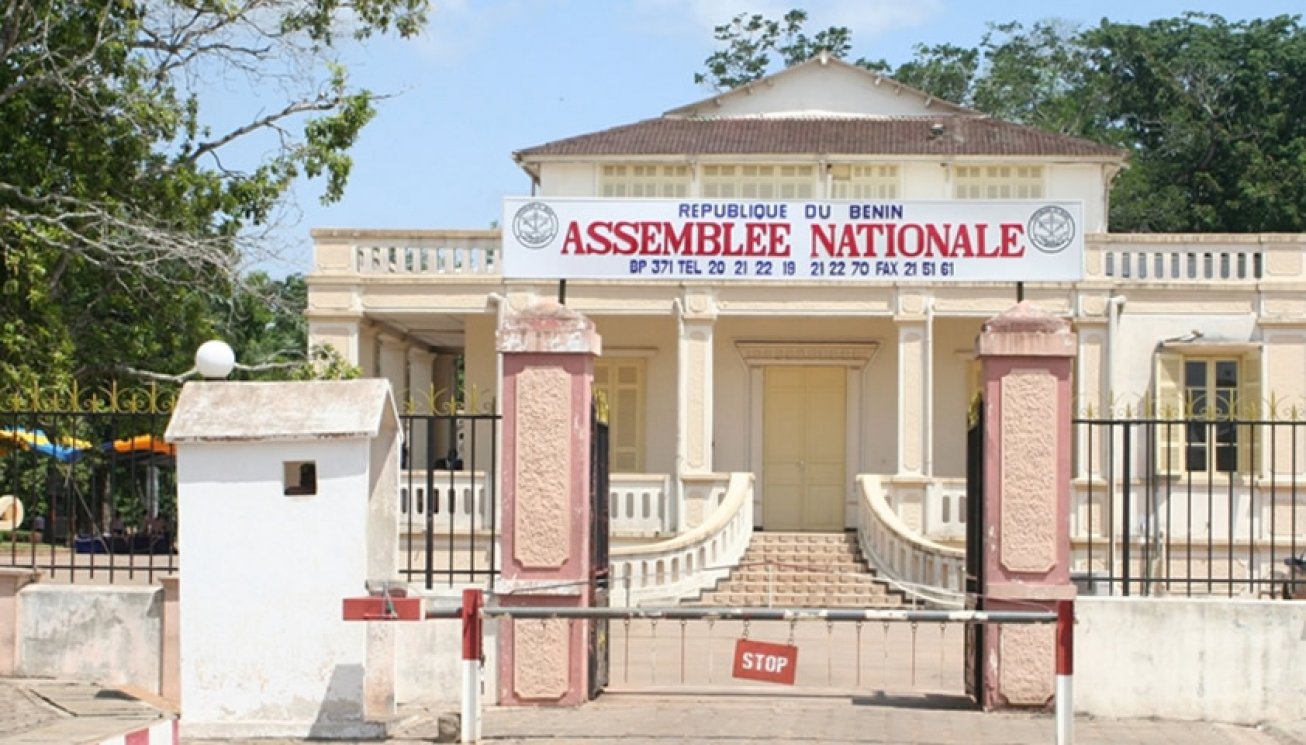
Key legislative texts take center stage
This extraordinary parliamentary sitting will focus on several high-stakes legislative proposals that reflect the government’s commitment to institutional reforms and national development. Among the most consequential items on the agenda is a bill to amend Article 94 of the July 26, 2024 law establishing national orders in Bénin. This reform aims to clarify and strengthen the legal framework governing national honors and distinctions.
Additionally, deputies will examine a legislative proposal to modify the organic law governing the Economic and Social Council—a body whose statutes were last revised in March 2026. The proposed changes seek to enhance the council’s operational efficiency and align its mandate more closely with current economic priorities.
Economic and cultural initiatives gain momentum
The session will also delve into economic and cultural matters, particularly the approval of a credit convention signed on June 24, 2025, between the Republic of Bénin and the French Development Agency (AFD). This agreement secures vital funding for the realization of the Musée d’art contemporain de Cotonou, a landmark project poised to elevate Bénin’s cultural profile on the global stage.
Electoral reforms dominate legislative discourse
The most anticipated debate centers on the proposed repeal of Title II of Book One of the 2024 Electoral Code. This legislative maneuver has sparked significant interest, as stakeholders anticipate potential implications for the election management body and the broader electoral process.
Lawmakers are expected to engage in robust discussions on the merits of this proposal, which could fundamentally alter the legal framework governing elections in Bénin. The outcome of these deliberations will be closely watched by political analysts, civil society organizations, and citizens alike, as it may influence the conduct and integrity of future electoral cycles.