During a high-level discussion on rule of law and political alternation in Africa, held in Cotonou on August 6, 2026, the establishment of the Senate became a focal point of constructive dialogue. Organized by the Institute of Justice and Peace Artisans (IAJP/Co), the event brought together key voices in national governance.
Senator Sehouéto defends the bicameral system
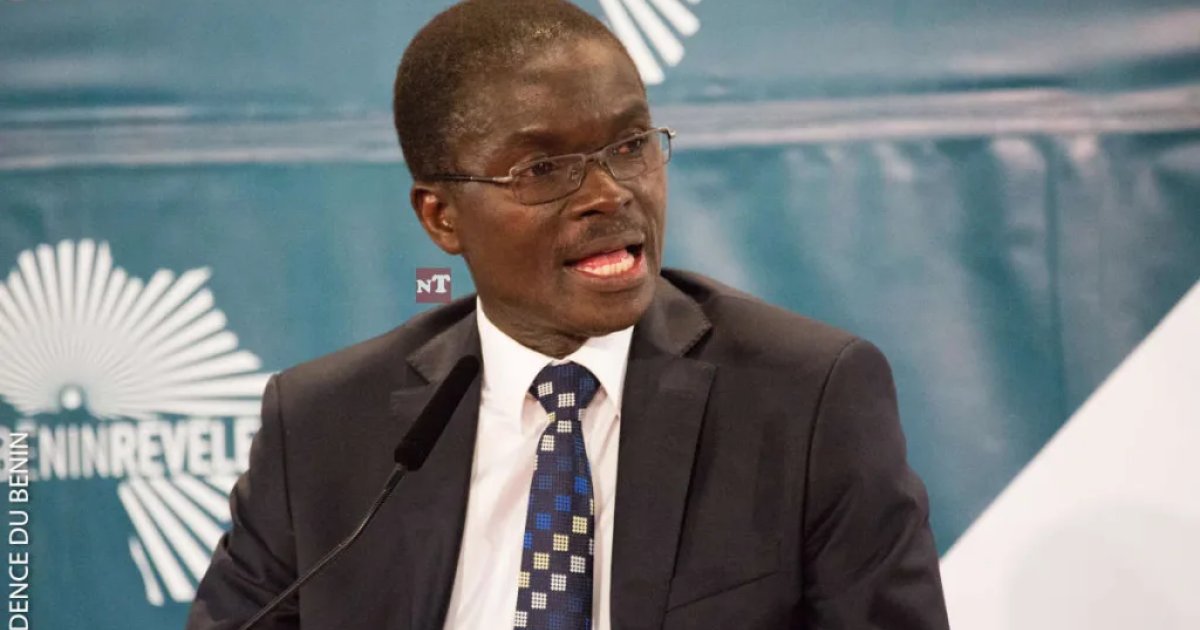
Among the speakers, former minister and parliamentarian Lazare Maurice Sehouéto emphasized the Senate’s role as a stabilizing force in Benin’s democratic architecture. He framed it not as a threat, but as a necessary institution to regulate political life and strengthen governance.
Addressing concerns raised by former legislator Kamel Bio Sika Ouassagari about the scope of the Upper House’s powers, Sehouéto urged a reading grounded in legal texts rather than speculative fears. He argued that Benin’s move toward bicameralism aligns with a broader democratic tradition adopted by nations seeking resilience during periods of institutional fragility.
Historical parallels to justify the Senate
To reinforce his argument, Sehouéto cited international precedents:
- France: The creation of the Fifth Republic in 1958 to curb chronic cabinet instability and restore institutional balance.
- Germany: Post-World War II constitutional safeguards designed to prevent authoritarian drift and uphold the rule of law.
These examples, he noted, demonstrate how second chambers have historically served as buffers against political volatility and safeguards for national unity.
A plea for evidence-based discourse
Dismissing premature criticism as counterproductive, Sehouéto stressed that the Senate’s primary purpose is to foster calm political engagement, bridge divides, and protect the long-term development trajectory of Benin. He called on political actors and civil society to engage in rigorous, fact-based debate—free from caricature and assumption.
The former legislator concluded by positioning the Senate not as a divisive innovation, but as a unifying pillar in Benin’s evolving democratic framework.