Benin conference highlights reforms and human-centered development
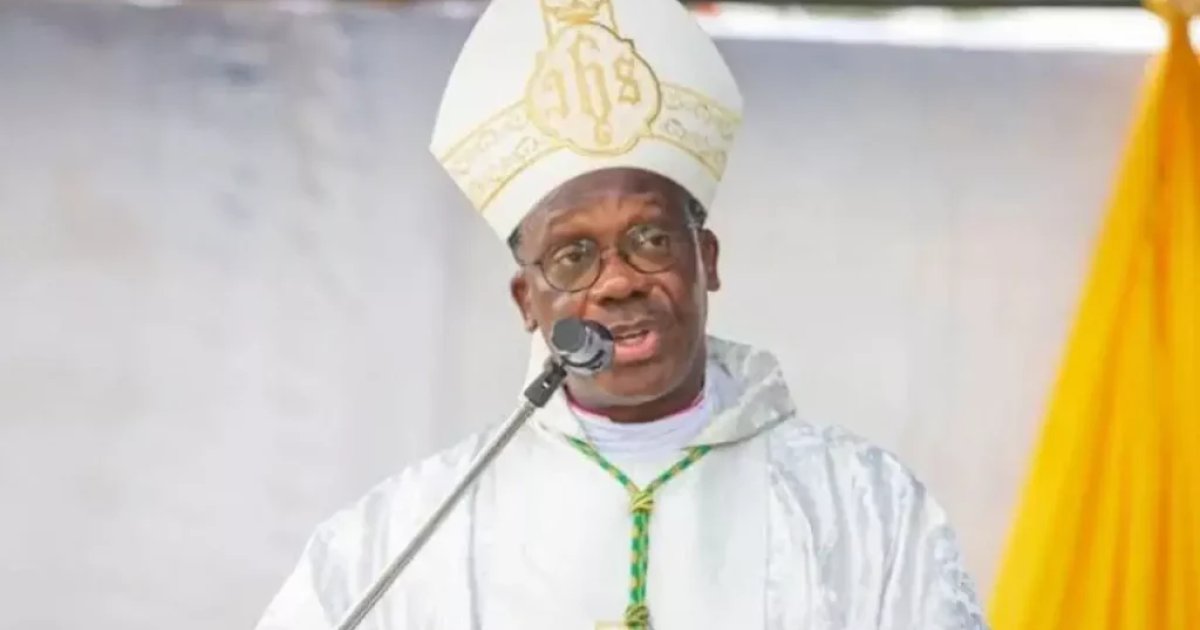
Bénin conference: Archbishop Houngbédji reviews reforms and urges human-centered growth
The Institute of Justice and Peace Artisans (IAJP) convened a landmark social conference in Cotonou on July 23, 2026, uniting religious leaders, policymakers, and civil society to explore the critical intersection of rule of law, political transition, and sustainable development across Africa.
Reforms and governance: A call for structural integrity
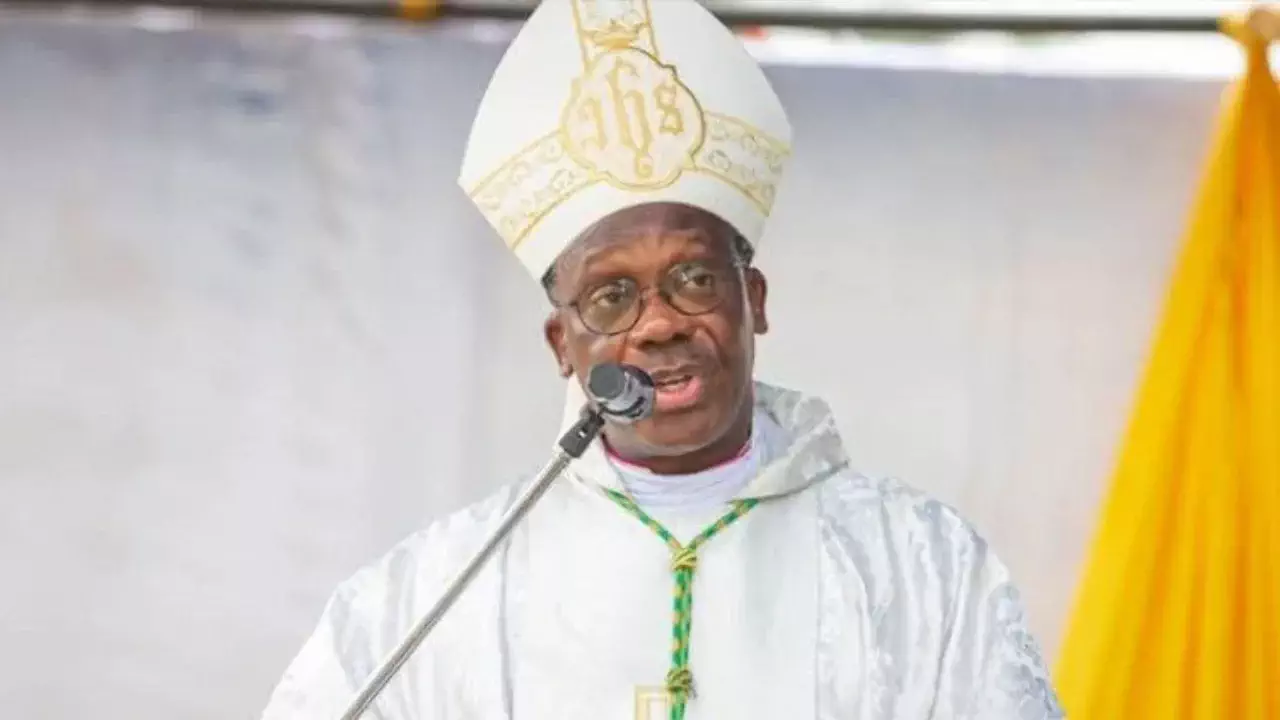
The event’s keynote speaker, Archbishop Roger Houngbédji of Cotonou and President of the Bénin Episcopal Conference, opened his address by framing Africa’s development not merely as an economic challenge, but as a governance imperative. He underscored that lasting progress hinges on three pillars: the consolidation of rule of law, the independence of judicial institutions, and transparent governance mechanisms that prioritize citizen welfare over short-term gains.
Bénin’s journey: Progress with room for improvement
Drawing on Bénin’s recent reforms, Archbishop Houngbédji highlighted tangible strides in business climate reform and judicial modernization. He cited the establishment of the Commercial Court, updates to business law, and the creation of the Court for the Repression of Economic and Terrorist Offenses (Criet) as key milestones that have elevated the country’s standing in international rankings. Yet, he cautioned that these achievements remain incomplete without deeper respect for public freedoms, judicial autonomy, and democratic consolidation—elements that cannot be measured by GDP alone.
Human-centric development: Beyond economic metrics
In alignment with Catholic Social Teaching, the Archbishop emphasized that human-centered development must transcend financial performance. True progress, he argued, is achieved when public policies directly enhance living standards, uphold social justice, and preserve the inherent dignity of every individual. Economic growth, while necessary, is insufficient without equity, inclusion, and participatory governance.
Church as mediator: Fostering dialogue and stability
Reflecting on the Church’s historic role in Bénin, Archbishop Houngbédji recalled its mediation during the 2019 postelectoral tensions and its ongoing efforts to promote dialogue ahead of the 2026 general elections. The Church does not seek to replace state institutions but acts as a facilitator of reconciliation, aiming to safeguard national cohesion during pivotal political transitions.
In closing, he urged African leaders to harmonize economic efficiency with judicial independence, pluralism, and the unconditional protection of fundamental rights—cornerstones for achieving meaningful and sustainable development on the continent.