2PFJ urges inclusive political talks for credible electoral reforms in Côte d’Ivoire
In a bold move to shape the future of Côte d’Ivoire’s electoral framework, the Pan-African Platform for Women and Youth for Peace, Democracy and Governance (2PFJ) has issued a strong call for an open, inclusive and constructive political dialogue. The appeal comes at a critical juncture as the country seeks to rebuild trust in its electoral system following years of political turbulence.
In a formal statement released to the public, the 2PFJ underscored the urgency of conducting a thorough and unbiased assessment of the socio-political climate in Côte d’Ivoire. The organization emphasized that electoral governance reforms—fundamental to the nation’s democratic stability—cannot be treated as mere administrative adjustments. Instead, they must evolve into a comprehensive negotiation process involving all sectors of Ivorian society.
Building consensus for a new electoral architecture
The platform’s leadership, led by Jean-Martial N’Guessan, president of the 2PFJ board, insists that the new electoral management body must emerge from a national consensus. This approach, they argue, is essential to restore credibility and ensure broad acceptance across political divides.
To achieve this, the 2PFJ proposes the creation of joint technical commissions composed of representatives from the government, opposition parties and civil society. These bodies would be tasked with defining the mandates, financial autonomy and operational independence of the proposed electoral institutions—or any alternative structure deemed appropriate by stakeholders.
A pathway to reconciliation and trust
The platform also highlights the need for a conducive environment to foster meaningful dialogue. It has called for the release of individuals detained in politically motivated cases and the safe return of exiles, stressing that such gestures are pivotal to rebuilding mutual trust among stakeholders.
Additionally, the 2PFJ advocates for the meaningful representation of women and youth organizations within the future electoral bodies. Such inclusion, it says, will strengthen citizen oversight and promote a peaceful, participatory electoral process.
Reflecting on Côte d’Ivoire’s history of overcoming deep divisions, the 2PFJ expresses confidence that the nation can once again unite around a shared vision of stability, peace and prosperity through inclusive electoral reforms.
The platform’s recommendations were issued shortly after the Ivorian government held a major working session on June 22, 2026, chaired by Prime Minister Robert Beugré Mambé. The meeting, described as an extended information session, brought together political parties, movements and civil society groups to explore ways to reform the electoral system and establish sustainable solutions.
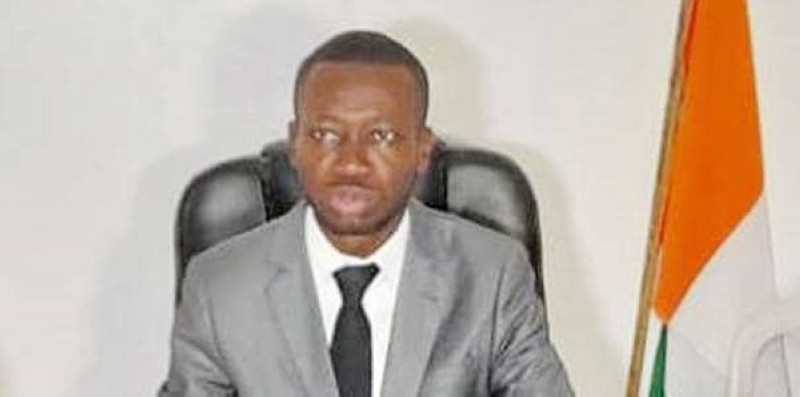
Jean-Martial N’Guessan, president of the 2PFJ board.