US considers strikes against JNIM in Mali amid Africa Corps struggles
US considers strikes against JNIM in Mali amid Africa Corps struggles

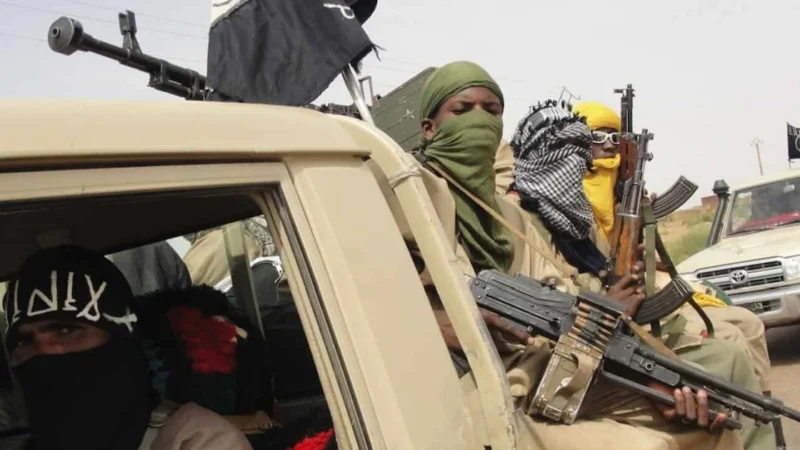
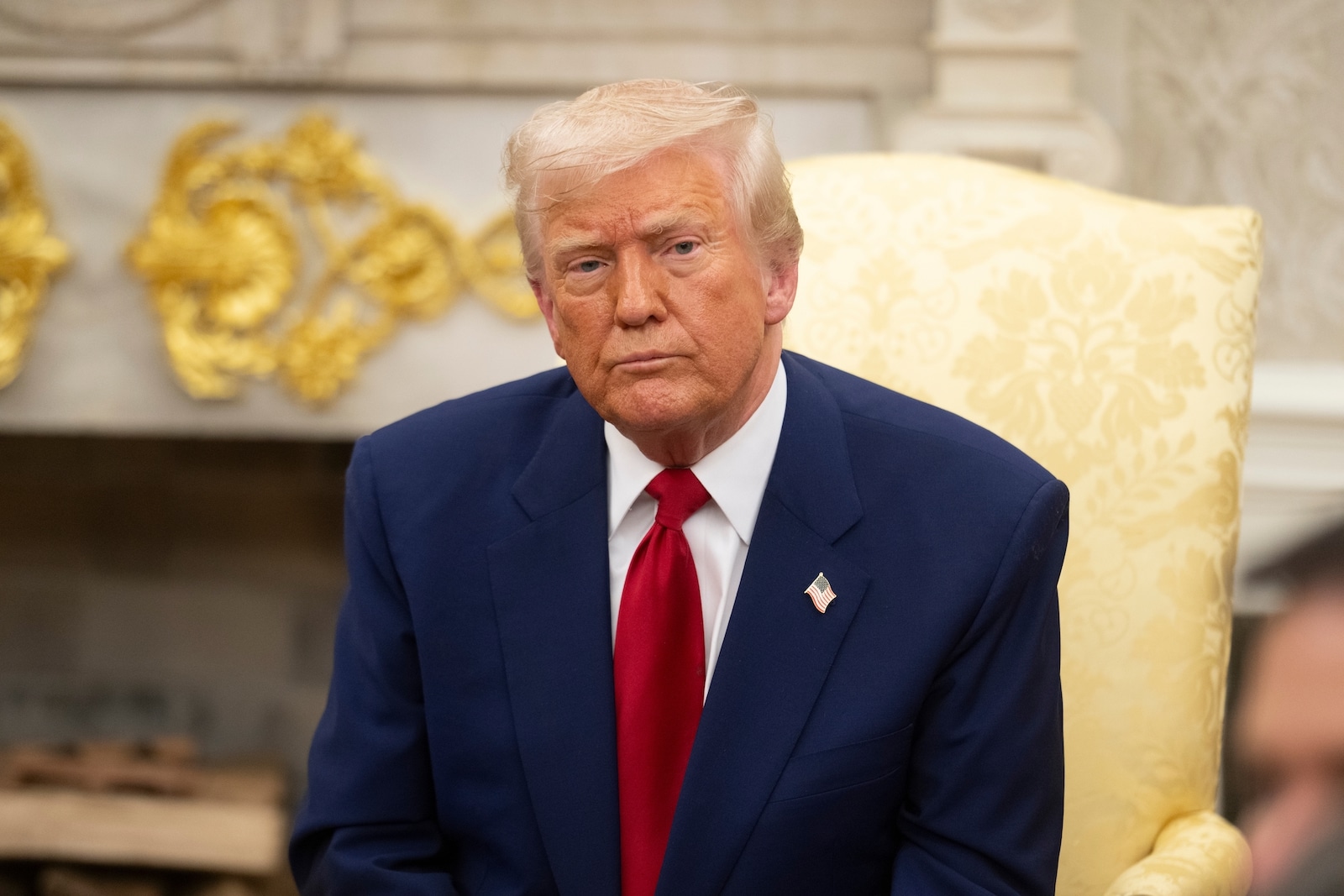
The Trump administration is weighing potential airstrikes against the Group for the Support of Islam and Muslims (JNIM), an Al Qaeda-affiliated faction operating in Mali. This deliberation follows escalating instability in the Sahel region and persistent challenges faced by Malian forces, backed by Russia’s Africa Corps, in regaining control against armed groups.
Exploring military intervention against JNIM
Washington is considering a renewed military commitment in Mali. Reports indicate the Trump administration is evaluating approval for targeted strikes against JNIM, a key Al Qaeda-linked militant organization that has become a dominant force in the Sahel conflict.
However, this proposal has sparked internal debate within US circles. High-ranking officials remain divided on the merits of such an intervention. Sebastian Gorka, Senior Director for Counterterrorism at the White House National Security Council, has emerged as a vocal advocate for military action.
When approached for clarification, a US official neither confirmed nor denied the strike discussions but emphasized Washington’s push for African governments to acquire American military equipment and services to bolster counterterrorism efforts.
The same official framed Sahel terrorism as a “multinational challenge” and urged regional partners and NATO allies to support the Sahel States Alliance in combating JNIM and Islamic State affiliates. He also attributed Mali’s security deterioration to Russia, calling Moscow an “ineffective partner” in the country’s security framework.
The Pentagon declined to comment, while the State Department reiterated US condemnation of “unequivocally” terrorist activities in Mali. JNIM has been designated a Foreign Terrorist Organization by Washington since 2018.
Africa Corps struggles amid rising insecurity
The US deliberations coincide with a worsening military landscape in Mali. Over recent months, JNIM has intensified offensives against Malian troops, sometimes in tandem with the Azawad Liberation Front (FLA). In April, a major offensive led to significant territorial losses for government forces in northern Mali.
In response, Russia’s Africa Corps, which replaced Wagner Group’s operations in Mali, has adjusted its strategy. According to Africa Defense Forum, Russian forces are now prioritizing the defense of Bamako, critical infrastructure, and national leadership, reducing their footprint in northern regions.
This shift follows repeated setbacks suffered by Malian and Russian-backed forces against JNIM and FLA. Independent analyses suggest that despite substantial investments, Moscow’s security partnership with Bamako has yet to yield the promised results.
Parallel to operational difficulties, reports of abuses by Malian soldiers and Africa Corps members continue to surface through international media and human rights organizations. In June, testimonies emerged alleging violence against civilians in the Tombouctou region, though Malian authorities have not addressed these claims.
A potential US intervention would mark a significant shift in Washington’s Sahel strategy. After Western forces scaled back presence in the region and Mali strengthened ties with Russia, the US now appears poised to re-engage more directly in countering jihadist groups. No decisions have been finalized, and discussions within the Trump administration are ongoing.