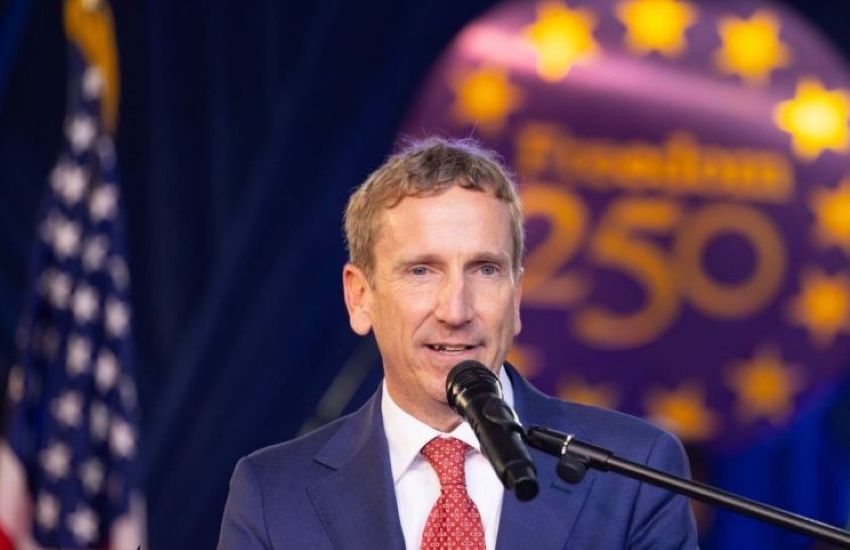
Libreville, August 13, 2026 — The United States has nominated career diplomat Keith Heffern as its ambassador to Gabon, marking a strategic move in Washington’s renewed focus on African diplomacy under the Trump administration. The nomination, submitted to the Senate on August 7, 2026, could restore full diplomatic representation in Libreville after months of interim leadership.
The Gabonese capital is poised to become a key player in the new phase of U.S. engagement across Africa. Heffern, a seasoned diplomat from the Senior Foreign Service with minister-counselor rank, brings valuable experience in African affairs. While his appointment is not yet finalized—pending Senate confirmation—it signals a clear intent to strengthen bilateral ties between Washington and Libreville.
Currently, the U.S. mission in Gabon operates under the leadership of interim chargé d’affaires Susan N’Garnim, who has held the position since January 2026. If confirmed, Heffern would replace her, ending a period of diplomatic uncertainty that has left the relationship in a transitional state.
Why Keith Heffern’s nomination matters for Gabon
The timing of this nomination is significant. It follows a broader U.S. strategy to revitalize its diplomatic presence across the continent, with proposed ambassadors for multiple African nations, including Chad, Madagascar, the Comoros, Togo, Mauritania, Benin, Malawi, and Cabo Verde. Unlike political appointees, Heffern represents a return to career diplomats, emphasizing expertise and continuity in U.S. foreign policy.
For Gabon, the stakes are high. The country holds a pivotal position in Central Africa, rich in natural resources such as minerals, timber, and energy, while also occupying a strategic location along the Gulf of Guinea and the Congo Basin. The U.S. has recognized Gabon’s importance by reinstating its eligibility for the African Growth and Opportunity Act (AGOA) in May 2026, reversing a previous decision that had restricted trade benefits.
This economic pivot, combined with geopolitical competition from China, Russia, and Turkey, underscores the urgency of a robust U.S. diplomatic presence in Libreville. Heffern’s potential arrival could redefine the bilateral relationship, shifting it from a period of stagnation to one of active engagement in trade, security, and environmental cooperation.
From interim leadership to long-term strategy
The Senate’s confirmation process will determine whether Heffern’s nomination translates into a full ambassadorship. Until then, the U.S. mission in Gabon remains in a holding pattern, with interim leadership guiding day-to-day operations. Yet the message from Washington is unmistakable: Gabon is back on the radar as a priority partner in Africa.
The resumption of AGOA benefits and the focus on experienced diplomats like Heffern reflect a broader U.S. effort to reclaim influence on the continent. For Gabon, this represents an opportunity to diversify partnerships, attract investment, and solidify its role in regional and global affairs.
The upcoming months will reveal whether this diplomatic reset yields tangible results. Investments, trade agreements, maritime security initiatives, and environmental collaborations are just a few areas where the renewed U.S. presence could make an impact. If confirmed, Heffern would inherit a relationship with deep historical roots—U.S.-Gabon ties date back to 1960—but one that now faces the challenge of adapting to a rapidly changing geopolitical landscape.