Tchadian president grants clemency to opposition leaders amid political tensions
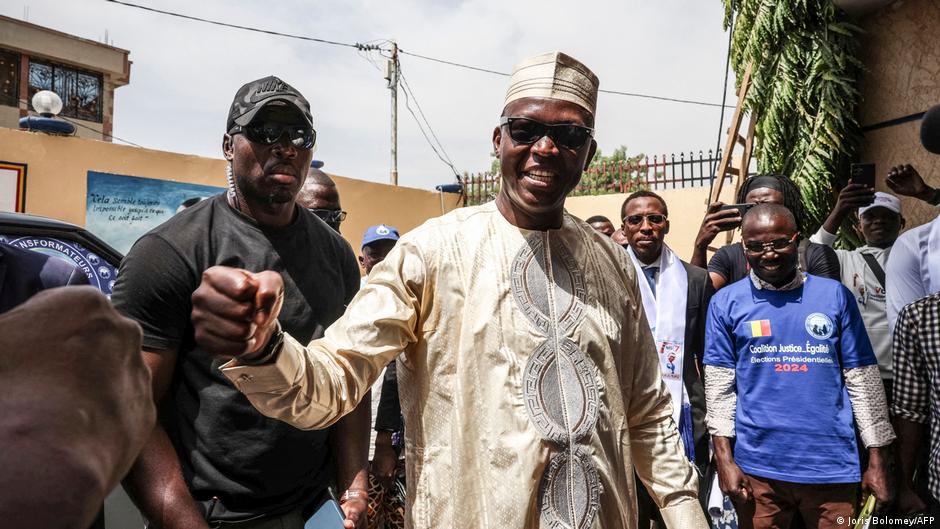
President Mahamat Idriss Déby of the Chad has issued a presidential pardon to several high-profile opposition figures, a move that has sparked both praise and criticism across the nation’s political landscape.
Among those released is former Prime Minister Succès Masra, who had been serving a 20-year prison sentence for charges related to insurrection, along with eight other leaders from opposition parties affiliated with the GCAP coalition. While their prison sentences are lifted, their criminal records and financial penalties remain intact, effectively barring them from future political participation.
The distinction between clemency and amnesty is critical, as political analyst Bétinbaye Yamingué points out: “The president’s decision reflects both constitutional authority and a gesture toward national reconciliation. However, the true test of sincerity will lie in whether the government supports legislative efforts to restore their full political rights.”
Parliament’s Role in Defining Reconciliation
Under Chadian law, only the National Assembly holds the power to grant amnesty. Yet, with the ruling party controlling 124 of the 188 parliamentary seats, the prospects for such a measure appear slim. Analysts warn that without legislative action, the presidential pardon could be perceived as a tactical move rather than a step toward genuine political openness.
“True democratic progress requires more than releasing opposition figures—it demands restoring their ability to engage fully in the political process,” Yamingué emphasized. “Otherwise, this gesture, while welcomed today, may be dismissed tomorrow as mere political maneuvering.”
Mixed Reactions Across the Political Spectrum
Reactions to the pardon have been divided. The Transformateurs party, led by Succès Masra, has yet to issue an official statement, with a spokesperson indicating they prefer to wait until his release to assess the implications. Meanwhile, Ndolembai Sadé Njesada, vice-president of the party, expressed gratitude for what he described as a commitment to national unity, calling for further dialogue to strengthen peace.
Opposition voices, however, remain skeptical. Hissein Abdoulaye, spokesperson for the GCAP, condemned the pardon as insufficient, stating that it falls short of true amnesty. “Condemning leaders, then pardoning them while stripping them of civil rights amounts to a severe democratic setback,” he argued.
In contrast, the ruling Movement for Patriotic Salvation (MPS) praised the decision, framing it as a humanitarian act that will allow these figures to reunite with their families.