Tchad: Mahamat Idriss Déby’s pardon move sparks political thaw debate
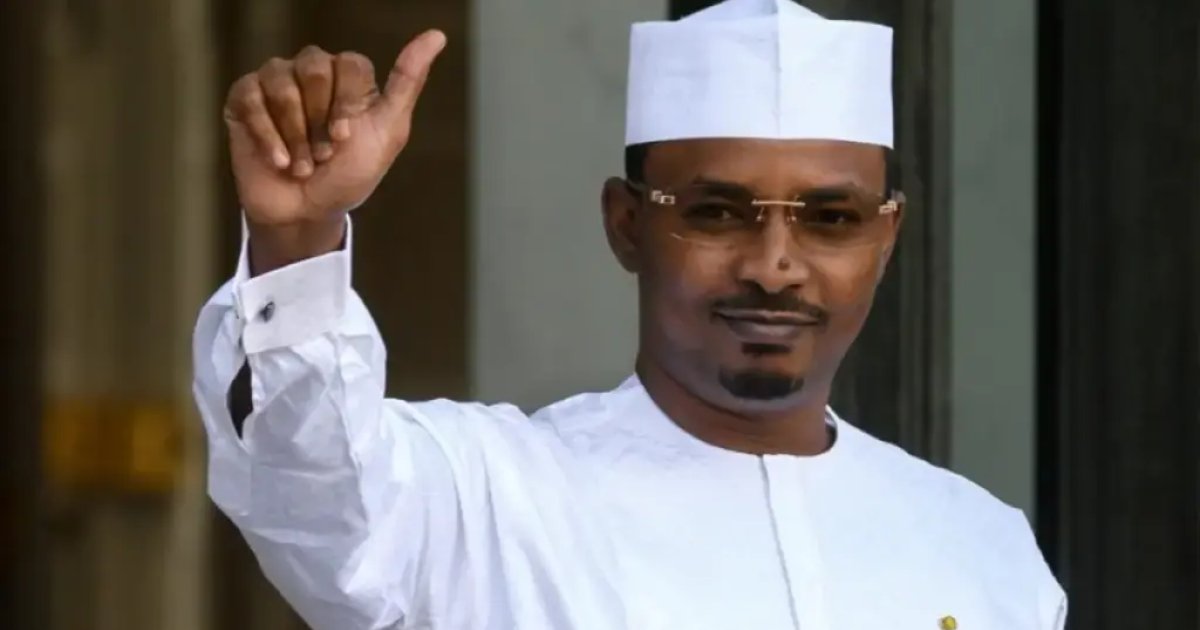
As Chad marks its 66th Independence Day, President Mahamat Idriss Déby Itno has signalled plans to exercise his presidential pardon for a number of convicted individuals. While the identities of those set to benefit remain undisclosed, the announcement has ignited speculation about the fate of key opposition figures—most notably former Prime Minister Succès Masra.
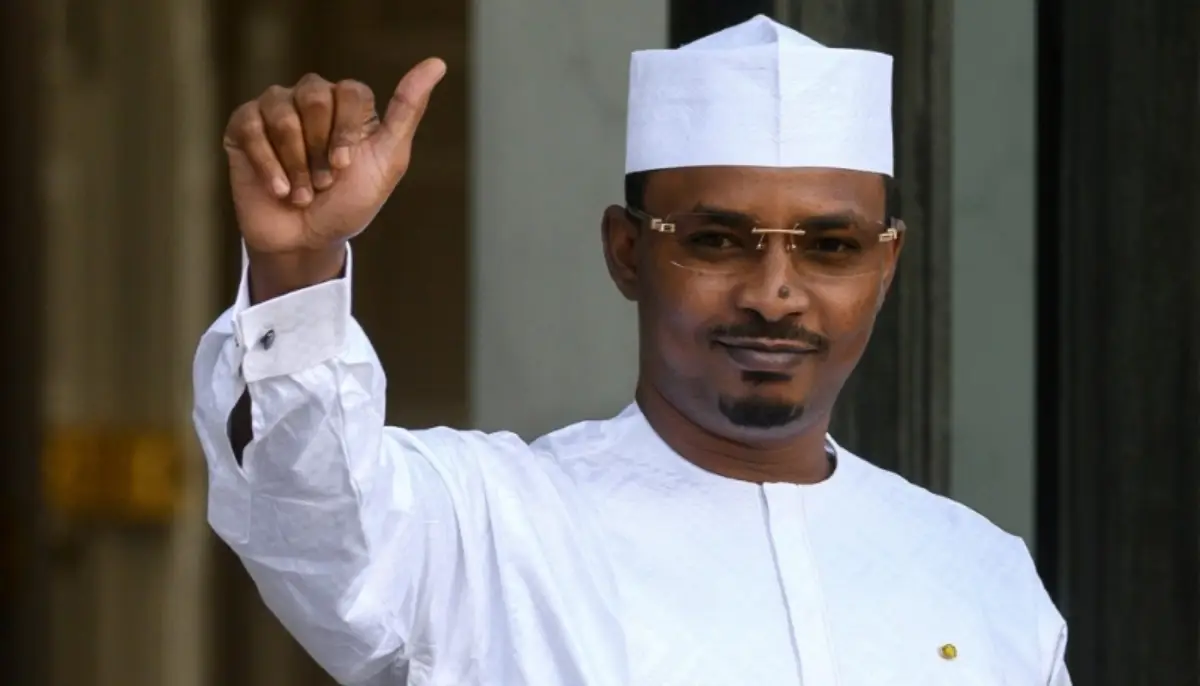
In a nationwide address delivered on Independence Day, the Head of State framed the potential pardon as part of a broader push for national unity and reconciliation. The practical impact of this pledge will hinge on the upcoming decree that will name beneficiaries and outline how sentences might be commuted or reduced. Until then, the uncertainty fuels intense debate about the future of detained opposition leaders.
Over recent months, political tensions have simmered as the opposition Coalition for the Salvation of Democracy in Chad (COSADT)—formed in January 2026—has repeatedly called for confidence-building measures. Chief among their demands is the initiation of formal political dialogue and the release of individuals they describe as political prisoners.
Succès Masra: the figure at the heart of expectations
No single case has dominated discussions more than that of Succès Masra. Once a leading figure in the political landscape, the former Prime Minister and leader of Les Transformateurs party was sentenced in August 2025 to twenty years in prison following a conviction linked to intercommunal violence. The court found him guilty of spreading incendiary and xenophobic messages, as well as complicity in murder.
Following the Supreme Court’s dismissal of his appeal on 21 May 2026, Masra’s conviction became final under Chadian law. This judicial milestone cleared the legal path for a presidential pardon—an option that has been widely discussed in recent months.
Yet Les Transformateurs have consistently advocated for an amnesty instead. As early as January 2026, the party argued that an amnesty would offer a more comprehensive political resolution to the crisis surrounding its leader. The distinction is more than technical: a pardon typically shortens or cancels a sentence without erasing the conviction, while amnesty can nullify the legal consequences of the acts themselves.
For Succès Masra, the choice of mechanism could shape his political future. A pardon might secure his immediate release, serving as a symbolic gesture of reconciliation. An amnesty, by contrast, could pave the way for a fuller political comeback. At present, however, there is no confirmation that he is among those targeted by the announced pardon.
Other opposition leaders caught in the call for détente
The conversation extends beyond Masra. COSADT and allied organisations have intensified calls this year for the release of imprisoned activists and officials, as well as the opening of structured talks with the authorities. The coalition contends that political conditions have deteriorated and urges measures to rebuild trust between government and opposition forces—claims that the administration disputes, citing institutional stability and adherence to legal procedures.
The backdrop includes Chad’s announcement on 27 July 2026 of its withdrawal from the Rome Statute of the International Criminal Court. Under ICC rules, the withdrawal will take effect one year after notification. Opposition appeals focus less on an immediate return to the Court than on reversing or reconsidering this withdrawal process.
The upcoming presidential decree will reveal whether the pardon is primarily a routine act of clemency tied to national celebrations or carries deeper political significance. Should Succès Masra—or other prominent opposition figures—be included, the decision could mark one of the most consequential gestures of political détente since the close of Chad’s transitional governance period.