Sénégal, Middle East tensions and the road to FIFA World Cup 2026
As the world turns its gaze toward the impending FIFA World Cup 2026, the Sénégal finds itself at a crossroads of domestic transformation and regional turbulence. The political landscape is undergoing significant shifts, while geopolitical tremors in the Middle East threaten to reshape the global balance.
The nation stands at the intersection of these challenges, with its leadership navigating both internal reforms and external crises that could define its trajectory in the coming years.
Political maneuvers in Sénégal: navigating constitutional reforms
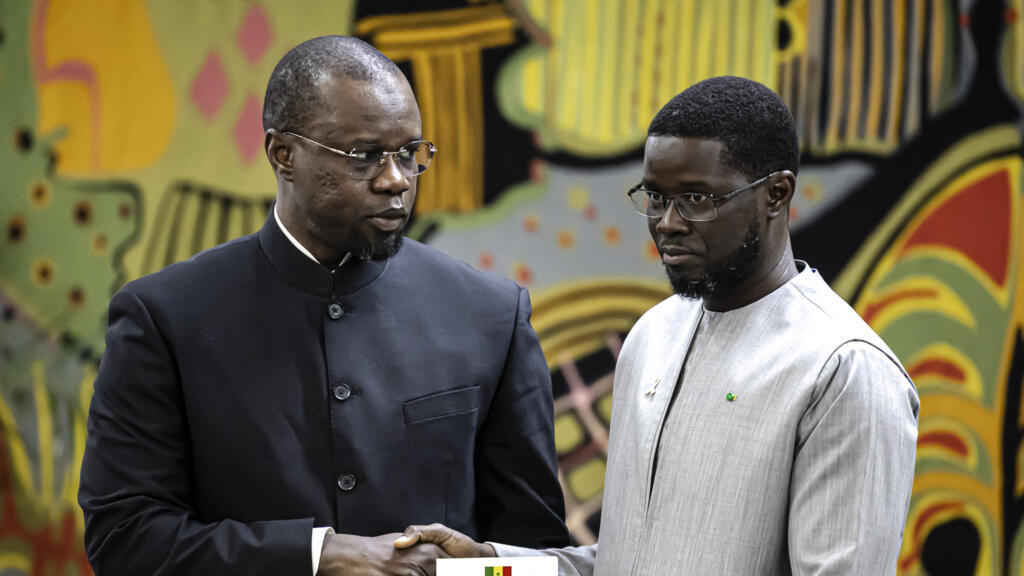
The political scene in Sénégal is witnessing a pivotal moment as President Bassirou Diomaye Faye advances plans to solidify his governance strategy. The recent establishment of a presidential party and the Constitutional Council’s decision to invalidate a constitutional reform backed by the majority bloc in the National Assembly—led by Ousmane Sonko’s Pastef—mark a decisive turn in the nation’s political narrative.
These developments raise critical questions: Can this new political framework bridge the divides within the opposition and rally public support ahead of the 2026 FIFA World Cup?
The leadership’s ability to foster national unity and address pressing socio-economic challenges will be put to the test as the country prepares for one of football’s most anticipated events.
Middle East tensions escalate: implications for global stability
Meanwhile, the Middle East remains a powder keg, with recent escalations in Iran-related conflicts intensifying concerns. The renewed cycle of strikes and counter-strikes has prompted a blunt assessment from American leadership, declaring the ceasefire “over.” Accusations of futility in negotiations with Tehran further underscore the fragility of diplomatic efforts in the region.
With the specter of military action looming, the world watches closely to determine whether this escalation could spiral into a broader conflict, potentially disrupting global stability.
Weekly insights from African voices
Each week, a panel of distinguished African journalists and analysts dissects the most pressing issues shaping the continent and the world. Their expertise provides clarity on the complex interplay between local governance and international crises, offering audiences a deeper understanding of the forces at play.
The discussion features:
- Wuldath Mama, a Beninese journalist specializing in international affairs
- Eric Topona, a journalist with Deutsche Welle’s Francophone Africa desk
- François Hiondi Nkam, a veteran reporter and head of the Economics desk at Cameroon’s Le Jour newspaper
Through their analysis, the program bridges the gap between regional developments and global events, offering a nuanced perspective on the challenges and opportunities facing Africa and beyond.
What lies ahead for Sénégal and the world?
The coming months will be decisive for Sénégal, as political reforms and regional crises converge. The nation’s ability to navigate these challenges will not only shape its future but also influence the broader African landscape. Meanwhile, the escalating tensions in the Middle East demand urgent attention, as the world braces for the potential consequences of a widening conflict.
As the countdown to the FIFA World Cup 2026 begins, the interplay between politics, diplomacy, and global events will define the narrative for countries like Sénégal, testing their resilience and adaptability on the world stage.