Senegal’s political landscape shifts as Sonko rises to assembly leadership
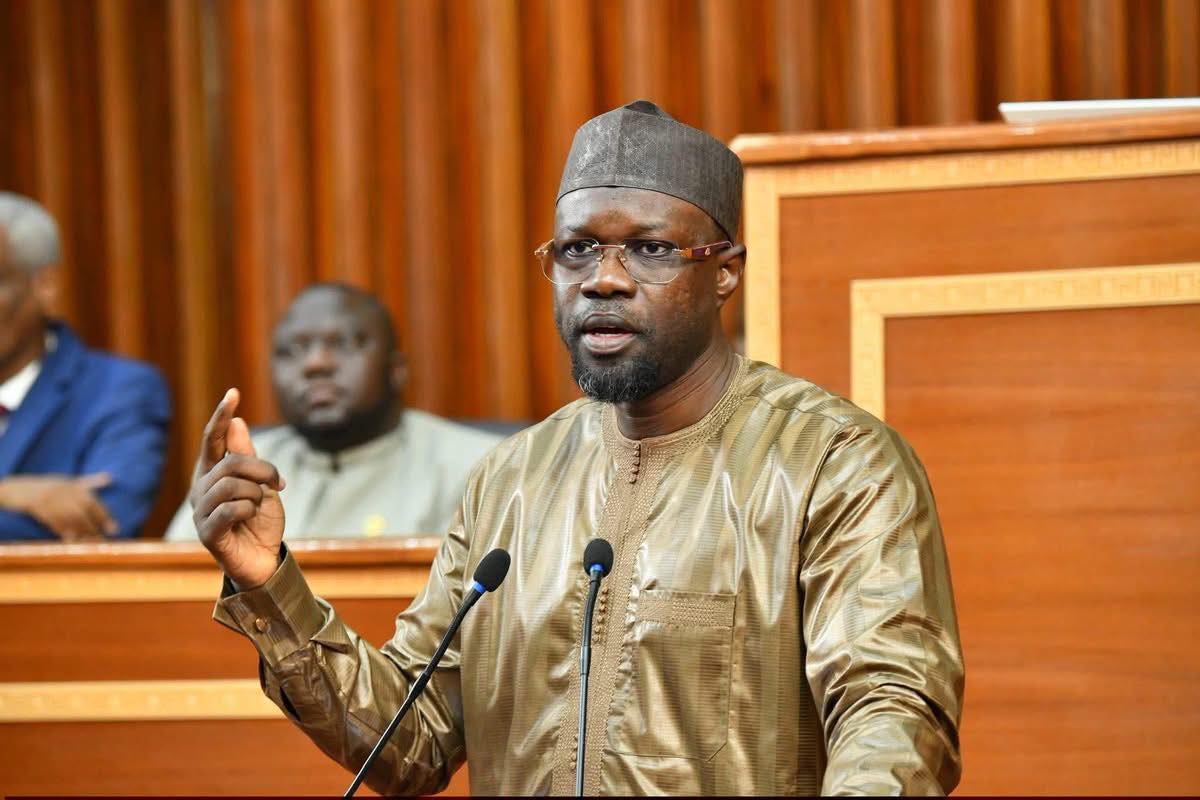
An abrupt ascent to legislative power
The unexpected elevation of Ousmane Sonko to the presidency of Senegal’s National Assembly has sent shockwaves through the country’s political establishment. Following a rapid series of institutional maneuvers, the former opposition figure now occupies a position that grants him unprecedented influence over the legislative agenda. This development raises pressing questions about the future balance of power in Senegal.
A calculated political maneuver
The sequence of events unfolded with remarkable precision. Just days after his removal from prior responsibilities, Ousmane Sonko was swiftly appointed to lead the National Assembly. The resignation of the sitting president immediately following Sonko’s dismissal created an opportune vacuum, allowing the opposition leader to ascend to the perch with minimal delay. To his critics, this transition appears orchestrated rather than coincidental, positioning him as the de facto architect of his own rise.
The legislature as a weapon of obstruction
With his newfound authority, Ousmane Sonko now wields significant leverage over the legislative process. By controlling the agenda, budgetary allocations, and lawmaking procedures, he possesses the tools to either facilitate or obstruct executive initiatives. Political analysts warn that this concentration of power in the hands of a single figure could lead to institutional paralysis, particularly if tensions with the executive branch escalate.
« This is no longer standard political competition; it is a deliberate strategy to suffocate state institutions, » remarked a political observer familiar with the situation. « The battle for institutional dominance has now entered a decisive phase. »
Power acquisition under scrutiny
While Sonko’s supporters view his ascent as a justified culmination of his political journey, detractors paint a different picture. They describe him as a pragmatic operator who has skillfully navigated crises to secure a prominent institutional role. The once-idealistic image of a reformist leader has given way, in their view, to that of a shrewd tactician willing to exploit systemic weaknesses for personal gain.
Regardless of perspective, it is clear that Ousmane Sonko has achieved a long-sought objective: a commanding position within Senegal’s political hierarchy. The implications of this shift remain uncertain—will it serve the broader interests of Senegalese citizens, or is it merely the opening salvo in a broader campaign to destabilize the highest echelons of government?
The road ahead
The reconfiguration of Senegal’s political forces has only just begun. As Sonko consolidates his grip on the legislature, the broader struggle for institutional control intensifies. Whether this confrontation will strengthen democratic governance or further polarize the nation remains an open question—one that will shape Senegal’s political trajectory in the months to come.