Senegal politics: Diomaye Faye’s bold path beyond Sonko’s shadow

Reading time: 8 minutes
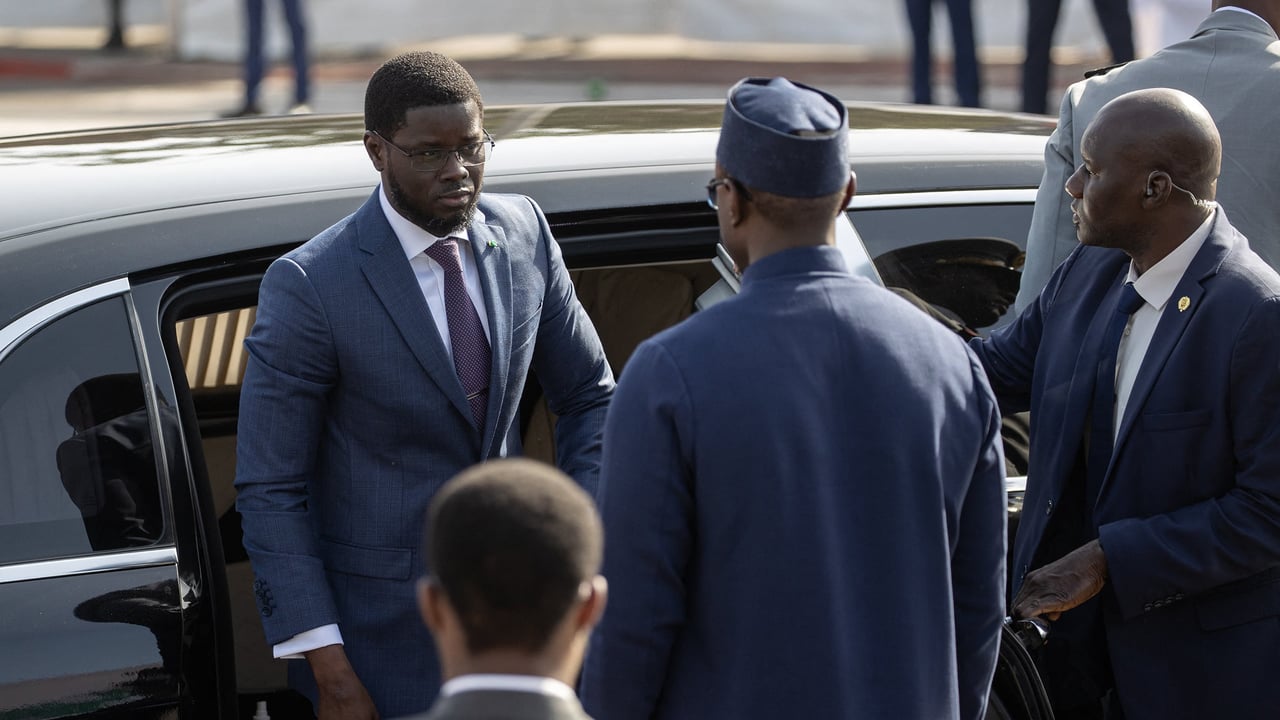
As Senegal navigates its post-independence journey, the political landscape is increasingly shaped by Bassirou Diomaye Faye’s leadership, which is carving its own identity beyond the influential shadow of Ousmane Sonko. The young President, who rose to power in 2024, is facing mounting challenges as he seeks to redefine the country’s governance model while maintaining stability.
a new leadership style takes shape in Senegal
Since assuming office, Bassirou Diomaye Faye has begun implementing sweeping reforms aimed at addressing long-standing issues such as corruption and economic inequality. His approach combines bold policy shifts with a commitment to democratic principles, a balancing act that is drawing both praise and criticism.
Key initiatives include the overhaul of public administration, stricter anti-corruption measures, and efforts to decentralize power away from Dakar. These moves are seen as critical steps toward fostering transparency and trust in government institutions.
breaking free from historical influences
The relationship between Faye and Sonko has become a central topic of national discussion. While both leaders share a vision for a more equitable Senegal, their methods and priorities differ significantly. Sonko, a charismatic figure with deep roots in the opposition, has played a pivotal role in shaping the political climate that brought Faye to power. Yet Faye is now asserting his independence, signaling a potential shift in the dynamics of Senegal’s political elite.
the risks of political emancipation
This transition is not without risks. Faye’s push for greater autonomy risks alienating key allies, including members of his own party, Pastef. The delicate balance between asserting authority and maintaining unity poses a significant challenge, particularly as opposition forces remain active and vocal.
Moreover, economic pressures and social demands continue to mount, testing the government’s ability to deliver on its promises. The success of Faye’s emancipation efforts will depend on his ability to reconcile these competing interests while keeping the nation’s development on track.
public reactions and media narratives
The Senegalese public and media are closely watching this political evolution. While some observers applaud Faye’s boldness, others express concerns about the speed of reforms and their potential impact on stability. Public sentiment is divided, reflecting the complexities of navigating Senegal’s evolving political landscape.
The government’s communication strategy has also come under scrutiny. Transparency in decision-making remains a key expectation, as citizens demand clarity and accountability. The media’s role in shaping perceptions is more crucial than ever, as narratives about Faye’s leadership continue to unfold.
what lies ahead for Senegal
The coming months will be decisive for Bassirou Diomaye Faye. His ability to consolidate his leadership while addressing the nation’s challenges will determine the trajectory of Senegal’s future. As he moves forward, the balance between reform and stability will remain at the heart of his presidency.
One thing is certain: Senegal is at a crossroads, and the choices made today will shape its political and social landscape for years to come.