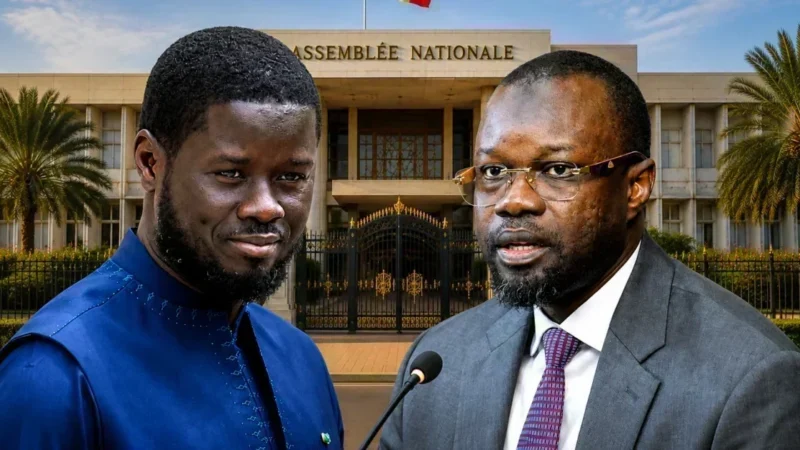
Sénégal legal action against pastef supporters for insulting president
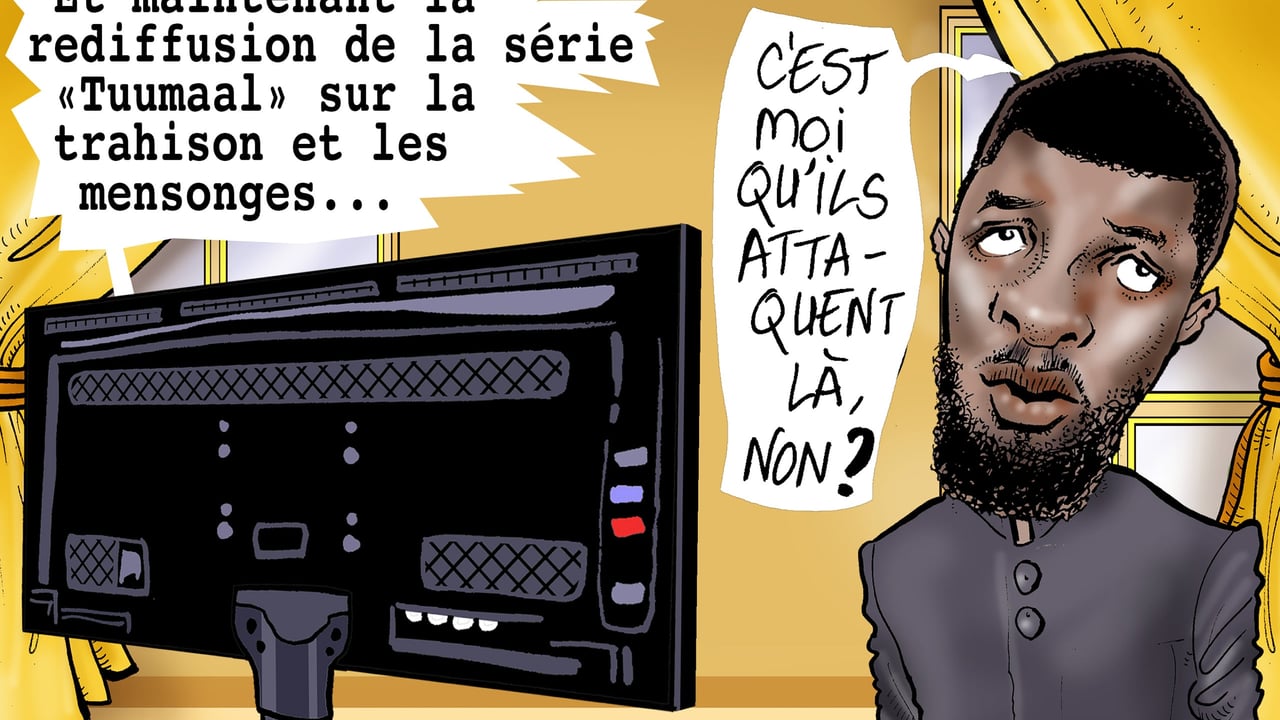

Legal proceedings initiated against supporters of the Pastef movement
In a recent development, legal action has been taken against three individuals closely associated with the Pastef political movement in Senegal. The charges stem from allegations of publicly insulting President Bassirou Diomaye Faye, a figure at the heart of the nation’s political discourse.
The case underscores the growing tensions between political factions in Senegal, where public criticism of state leadership has increasingly come under scrutiny. The accused, identified as prominent figures within the Pastef movement, now face legal consequences for their remarks, which prosecutors argue constitute an offense against the head of state.
Escalating political rhetoric
The legal proceedings highlight a broader pattern of intensified political exchanges in Senegal. As public figures and supporters engage in more vocal criticism of government policies and leadership, the boundaries of permissible discourse are being tested. This case serves as a reminder of the legal frameworks governing political speech in the country.
Observers note that the charges reflect a tightening of legal constraints on public dissent, particularly when directed at the highest levels of government. The move has sparked discussions about the balance between free expression and legal accountability in Senegal’s evolving political landscape.
Implications for political movements
The case carries significant implications for the Pastef movement, which has gained substantial influence in Senegalese politics. The charges against its supporters may intensify debates about the movement’s strategies and the risks associated with its public engagements. Legal repercussions could further polarize political discourse, shaping the movement’s trajectory in the coming months.
As Senegal navigates these challenges, the outcome of this case will be closely watched by political analysts, legal experts, and citizens alike. The intersection of law, politics, and public opinion remains a critical focus in the nation’s ongoing democratic experiment.