Security instability fuels hidden Rwanda agenda in eastern democratic republic of Congo
While authorities in Kinshasa claim to have reached a demobilization agreement with Rwanda’s FDLR rebels operating in eastern DRC, Kigali dismisses the initiative as a “delaying tactic.” The decades-long dispute over the FDLR—accused of involvement in Rwanda’s 1994 genocide—remains unresolved. Kigali still views these groups as an existential threat, justifying its military presence alongside Congo’s M23 rebels in eastern DRC.
Last year’s Washington accords promised mutual troop withdrawals and FDLR neutralization. Yet today’s deadlock raises a critical question: why do neighboring capitals remain so far apart?
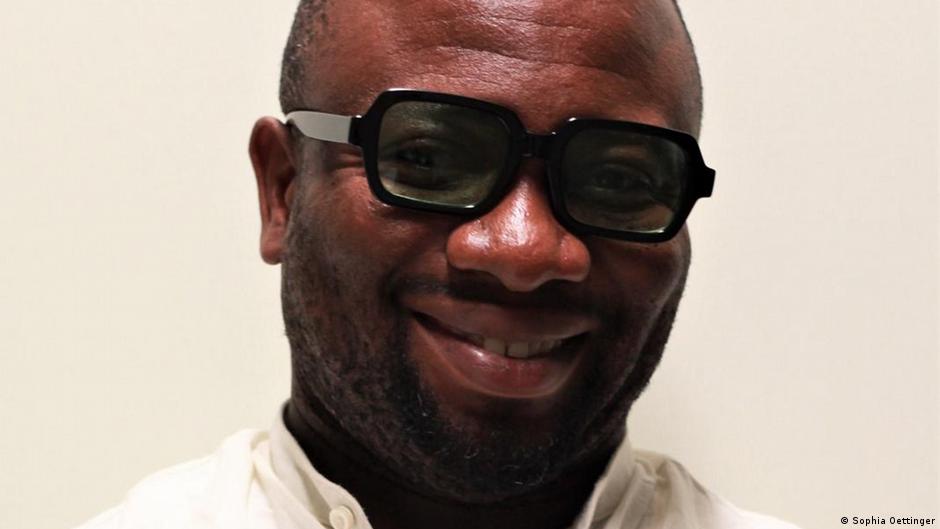
Insights from Josaphat Musamba, Doctoral Researcher at Ghent University
Josaphat Musamba: Kigali has rejected both sensitization efforts and peaceful persuasion mechanisms. Its actions suggest bad faith. What does Rwanda truly seek? Despite its military engagements, the ongoing instability in eastern DRC appears to serve Kigali’s interests—allowing it to consolidate influence in Congo’s eastern provinces.
On the alleged ties between FDLR factions and Congo’s armed forces:
Josaphat Musamba: Claims that FDLR militants are integrated into Congo’s national army lack empirical support. In reality, neither the M23 rebels nor Rwanda’s Defense Forces have succeeded in fully dismantling FDLR networks operating within their claimed zones. This persistent insecurity appears deliberately maintained—not accidental. It serves a wider geopolitical agenda: by fragmenting Congo’s administrative structures in the east, Kigali advances its strategic footprint.
On Rwanda’s objections to the Kinshasa-FDLR accord:
Josaphat Musamba: Kigali’s objections are not grounded in facts. Instead of escalating conflict, Congo has chosen a de-escalation strategy with FDLR elements, adapting to local realities. Military pressure on both Rwanda’s Defense Forces and M23 remains a priority, but opening additional fronts with FDLR would be impractical. Dialogue offers a viable path to reduce violence.
Could the FDLR disappear entirely? Perhaps not as an armed movement—but their genocidal ideology, as claimed by Kigali and M23, is misleading. Many fighters resist the Rwandan regime itself, framing their struggle as resistance rather than genocide.