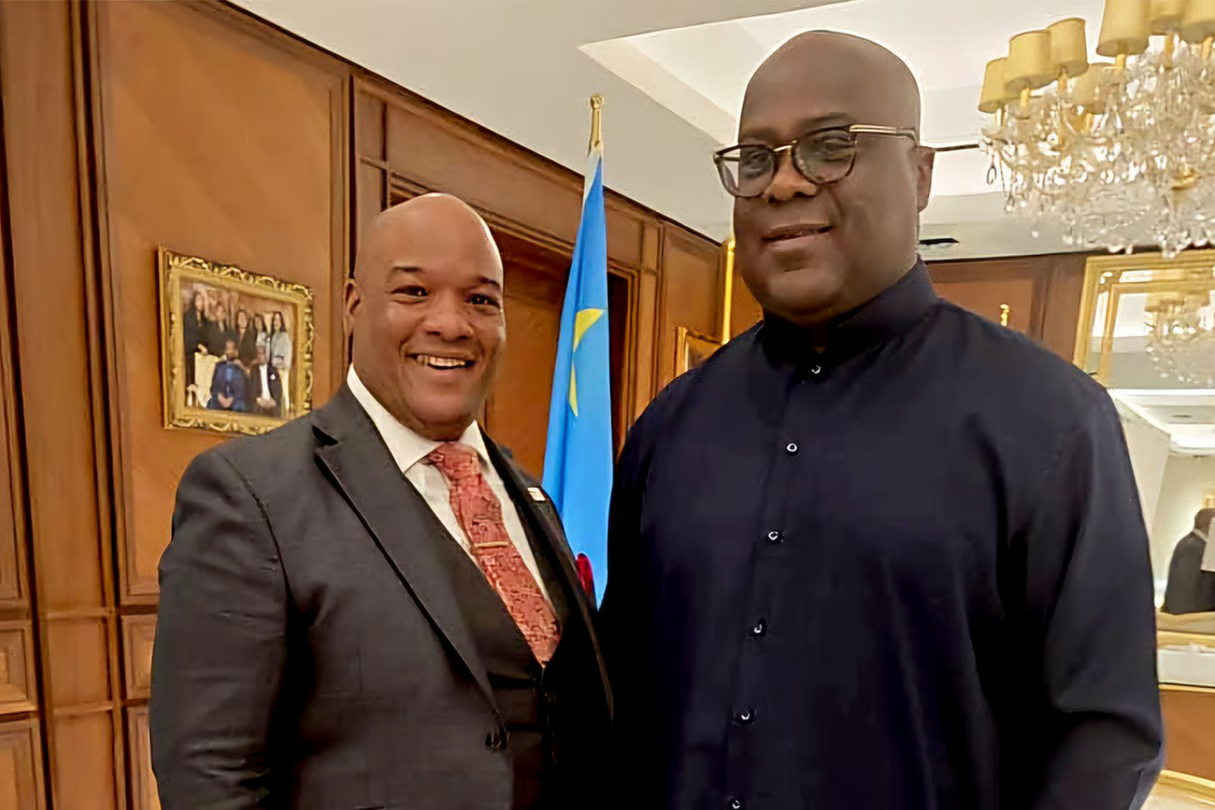
The delayed appointment of a US ambassador to the Democratic Republic of Congo has ignited fierce debates in political circles and public forums. After 12 months without a permanent envoy in Kinshasa, Washington has finally filled the position, setting the stage for what analysts anticipate will be a period of intense scrutiny and realignment in bilateral relations. But what does this move mean for the future of Congo-US diplomacy?
Behind the diplomatic blackout: one year without an ambassador in Kinshasa
For an entire year, the Democratic Republic of Congo operated without a sitting American ambassador, leaving a critical diplomatic channel in limbo. This absence was not just symbolic—it had tangible consequences on aid flows, security cooperation, and trade negotiations. From mineral resource discussions to counterterrorism efforts, key issues between Washington and Kinshasa were either delayed or handled at reduced capacity.
Analysts point to bureaucratic inertia in Washington, compounded by shifting US foreign policy priorities, as the primary causes of this prolonged vacancy. The delay sent ripples through Congo’s political elite, raising questions about the long-term reliability of US commitments to the region.
A political gamble with high stakes
The decision to name pastor John Mark Burns as the new envoy was not taken lightly. Burns, a prominent evangelical leader with no prior diplomatic experience, has been thrust into the spotlight at a time when Congo’s relationship with the US is under extraordinary pressure. Critics argue that the move reflects a broader shift in US engagement strategies, prioritizing ideological alignment over traditional diplomatic credentials.
Supporters, however, see Burns’ appointment as an opportunity to inject fresh energy into a stagnant relationship. His evangelical background, they contend, could open doors to faith-based initiatives and humanitarian partnerships that have previously been underutilized.
What Burns’ appointment signals for Congo-US relations
With the new ambassador now in place, several key areas are expected to come under the microscope:
-
Resource diplomacy: The US remains a major consumer of Congo’s cobalt and other critical minerals. Burns’ ability to navigate complex trade negotiations will be critical in maintaining supply chains that have been disrupted by regional instability.
-
Security cooperation: Congo’s ongoing conflicts in the east require sustained US support. Will Burns accelerate military aid and intelligence sharing?
-
Economic partnerships: Bilateral trade has suffered during the ambassador vacancy. Can a new envoy revive stalled economic agreements, particularly in energy and infrastructure?
-
Human rights and governance: The US has often been vocal about Congo’s human rights record. How will Burns balance advocacy with the need for pragmatic cooperation?
Public and political reactions: a divided response
The announcement of Burns’ appointment has sparked a wave of reactions across Congo and within international observer circles. In Kinshasa, political factions remain split. Some view the move as a positive step toward restoring stability, while others see it as a political miscalculation that risks undermining diplomatic professionalism.
In Washington, lawmakers from both parties have echoed concerns about the lack of diplomatic experience among Burns’ predecessors. Questions linger: Is this appointment a reflection of a broader retreat from traditional diplomacy, or a tactical move to align with specific political or religious networks?
Media outlets have amplified the debate, with some praising the Biden administration for finally filling the post, while others accuse it of sending a mixed signal about US priorities in Central Africa.
Looking ahead: what’s next for Congo-US ties?
The road to rebuilding trust will not be easy. Burns’ first months will be critical in determining whether his appointment leads to tangible progress or ends up as another chapter in a long saga of missed opportunities. As Congo continues to navigate internal challenges and regional tensions, the role of the US envoy will be more crucial than ever.
The coming weeks will reveal whether Washington’s gamble on an unconventional diplomat pays off—or whether the year-long vacancy was just the beginning of deeper bilateral fractures.