Signs of easing political tensions in the Democratic Republic of the Congo
Efforts to reduce political friction in the Democratic Republic of the Congo (DRC) are beginning to take shape, raising hopes for a more constructive national dialogue. Recent interactions between key political figures suggest a shift toward calmer exchanges, though challenges remain in ensuring broad-based participation.
Context and initial developments
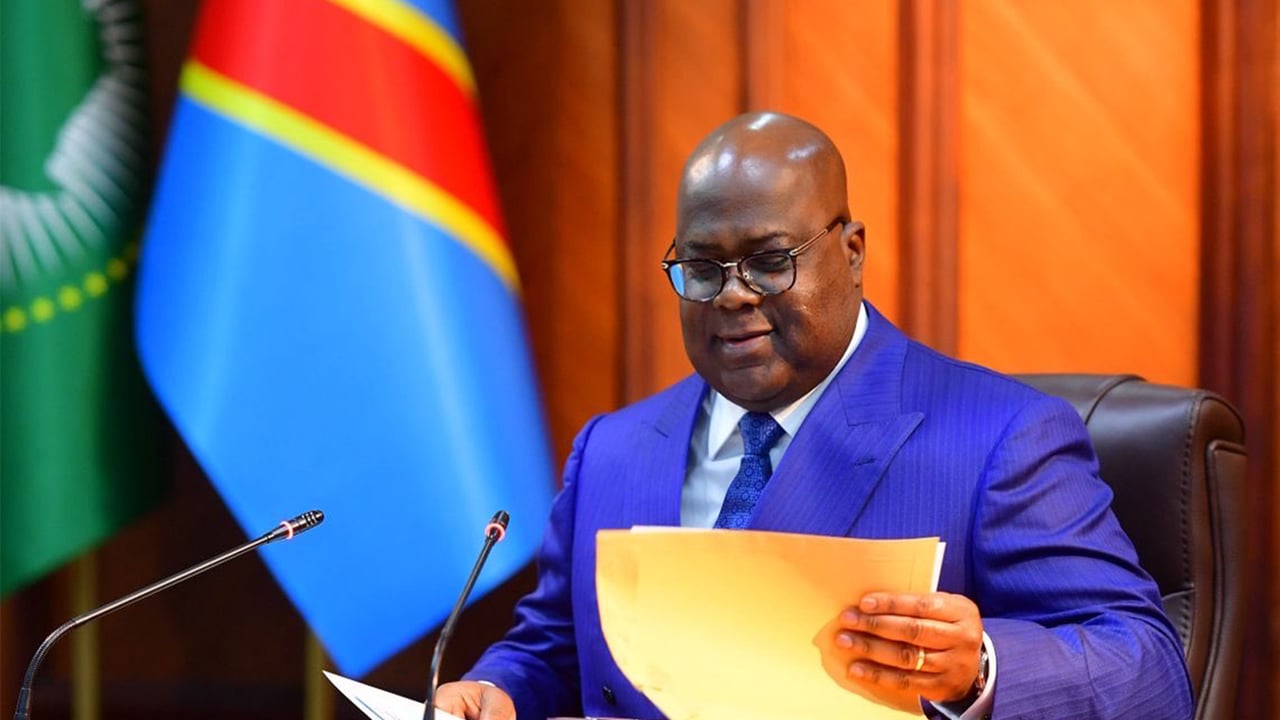
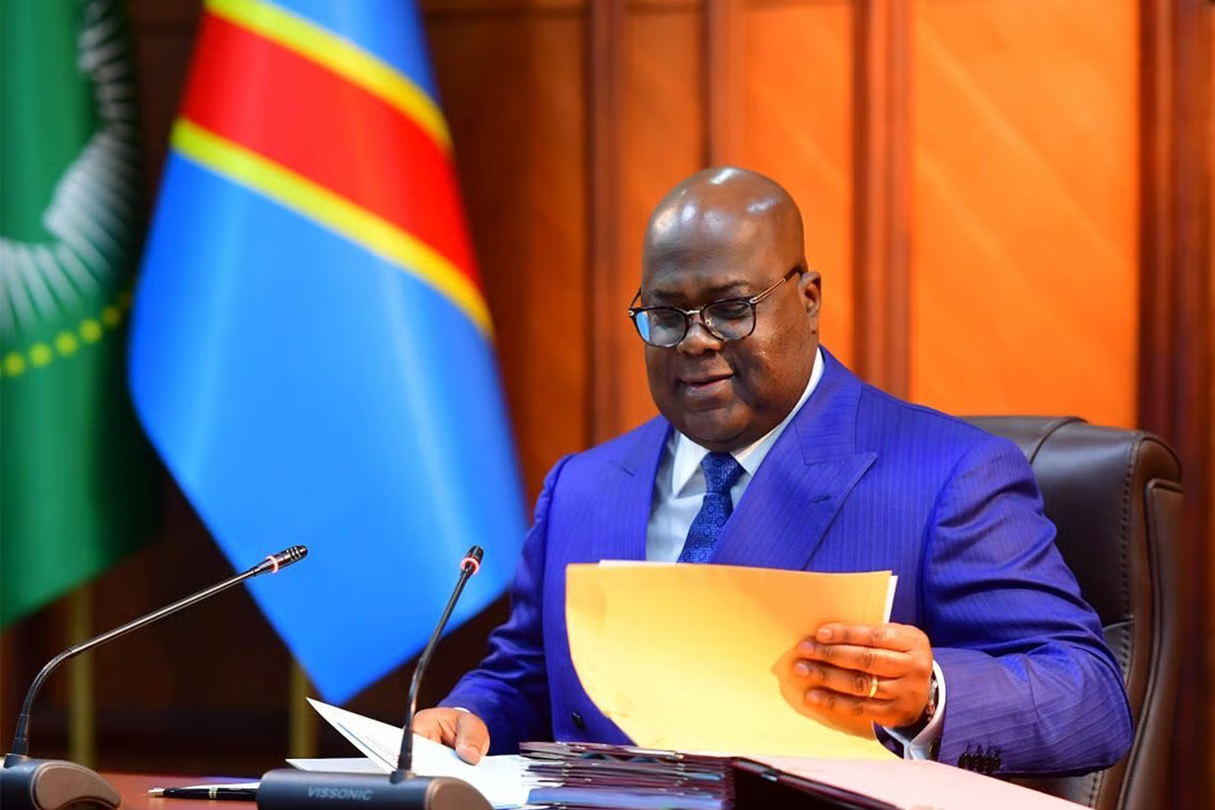
The DRC has faced prolonged political uncertainty, with tensions often flaring between the government and opposition groups. However, recent statements from President Félix Tshisekedi indicate a willingness to engage in dialogue, signaling a potential thaw in relations. These gestures have been met with cautious optimism by political analysts and civil society leaders.
Observers note that the government’s outreach efforts, including invitations to opposition leaders and stakeholders, could pave the way for more inclusive discussions. While the specifics of the proposed dialogue are still under discussion, the gesture alone represents a significant departure from past confrontational approaches.
Key players and their roles
The upcoming national dialogue is expected to involve a wide range of participants, including:
- Government representatives, led by President Tshisekedi, who have emphasized the need for unity and stability;
- Opposition leaders, many of whom have historically criticized the government’s handling of political and security issues;
- Civil society organizations, which have called for transparency and accountability in the process;
- Religious and traditional leaders, who often play a mediating role in national crises.
Each of these groups brings distinct perspectives, and their willingness to engage will be critical in determining the dialogue’s success. While some factions remain skeptical, others see this as an opportunity to address long-standing grievances.
Challenges and expectations
Despite the promising signs, several obstacles could hinder progress. Skepticism among opposition groups, who have previously accused the government of manipulating dialogue processes, remains a hurdle. Additionally, the ongoing security challenges in parts of the country, including eastern DRC, may divert attention away from political negotiations.
Nevertheless, the potential benefits of a successful dialogue—such as improved governance, reduced polarization, and greater national cohesion—are driving cautious optimism. Political analysts suggest that if the process is perceived as fair and inclusive, it could strengthen public trust in the government’s commitment to reform.
What’s next?
The coming weeks will be crucial in determining whether this initial thaw translates into meaningful progress. President Tshisekedi’s administration has indicated that formal invitations for the dialogue will be extended soon, with initial meetings expected to take place in Kinshasa. The government has also hinted at potential concessions, including reforms to electoral processes and decentralization efforts, though details remain scarce.
For now, all eyes are on the political landscape as stakeholders prepare for what could be a defining moment in the DRC’s recent history. Whether this dialogue leads to lasting change will depend on the willingness of all parties to engage in good faith and prioritize the nation’s interests above partisan divides.