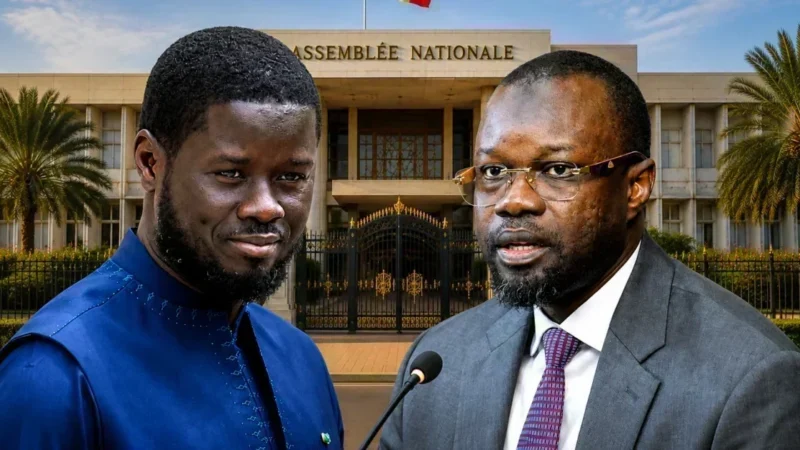

Historic milestone for Benin’s political landscape
In a landmark session held at the National Assembly in Porto-Novo, Patrice Talon was elected as the first President of Benin’s newly inaugurated Senate on July 30, 2026. This pivotal moment marks the return of a bicameral system after decades of unicameral governance in the country.
Unanimous support reshapes Benin’s governance
The election reflected broad consensus among lawmakers, with Talon securing votes from across the political spectrum. His leadership was endorsed by both ruling party members and opposition figures, underscoring the significance of this transition.
The newly formed Senate, composed of 83 members, replaces the former 109-seat Assembly, aligning with constitutional reforms implemented in 2019. This restructuring aims to enhance legislative efficiency and streamline governance in Benin.
Key figures in the Senate’s formation
The inauguration ceremony brought together prominent political figures, including:
- Romuald Wadagni: Former Finance Minister and key architect of economic policies under Talon’s administration.
- Thomas Boni Yayi: Former President of Benin (2006–2016), whose influence remains pivotal in national politics.
Implications for Benin’s future
Talon’s election as Senate President signals a new chapter in Benin’s political journey. The Senate’s role will be critical in shaping laws, approving budgets, and overseeing executive actions. Analysts anticipate a more balanced distribution of power between the executive and legislative branches.
As Benin embarks on this democratic experiment, stakeholders emphasize the need for transparency and collaboration to ensure the Senate’s success. The reforms reflect a broader trend in West Africa toward modernizing governance structures for greater accountability.
With this historic shift, Benin positions itself as a model of institutional renewal in the region, demonstrating how constitutional adjustments can foster stability and progress.