Tuesday, November 3
Algeria’s controversial Niger troop move: what it means for Moscow’s Sahel plans
News

Algeria’s controversial Niger troop move: what it means for Moscow’s Sahel plans

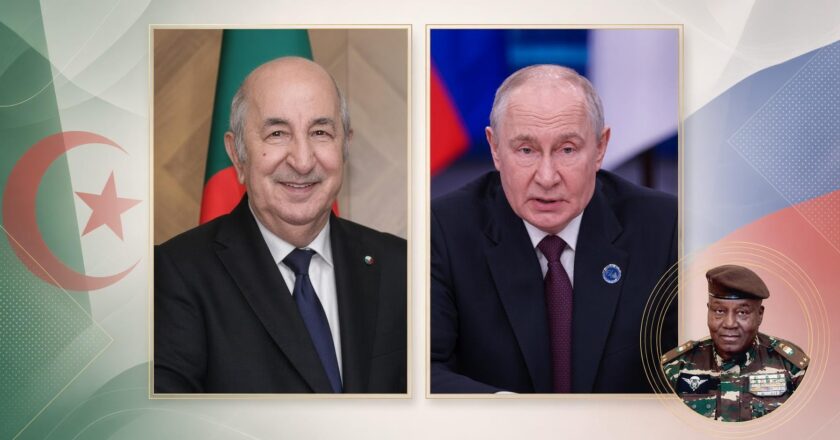
The delicate balance of power in the Sahel has shifted dramatically after Algeria's Parliament approved a historic troop deployment to Niger, a move that has sent shockwaves through regional security dynamics and triggered a fierce public debate about the future of military alliances in the region. By endorsing the deployment of Algeria's National People's Army (ANP) across the border, lawmakers in Algiers have shattered the illusion of Russian military exclusivity in the Sahel, opening a new chapter of geopolitical rivalry that pits North Africa's largest military against its historic arms supplier, Moscow. Exposing the cracks in Moscow's Sahel empire The Russian security footprint in Niger had expanded rapidly following Niamey's political transition, with Moscow positioning itself as t...
Senegal’s political crisis deepens as ruling party member calls for ousting of opposition leader
Politics

Senegal’s political crisis deepens as ruling party member calls for ousting of opposition leader

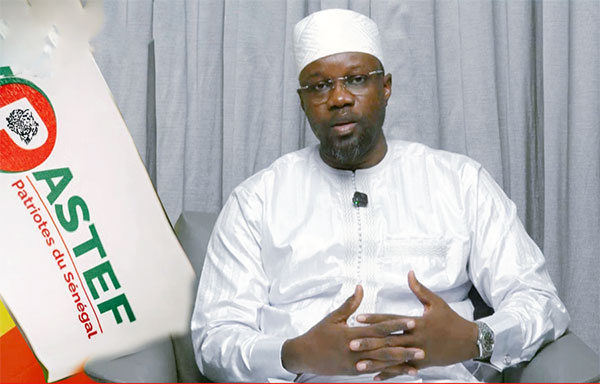
How inflammatory rhetoric from ruling party officials is fueling instability in Senegal Escalating threats against prominent opposition figure Ousmane Sonko are now being openly voiced by members of Senegal's ruling coalition, raising serious concerns about the country's democratic stability. The latest alarm comes from Arona Coumba Ndoffène Diouf of the president's Kiiraay party, who publicly urged party leaders to orchestrate a plot aimed at removing Sonko from political life, a move that threatens to further destabilize an already fragile political climate. Real-world consequences of unchecked political violence The timing of these remarks could not be more critical. Since 2021, Senegal has experienced repeated cycles of unrest linked to political confrontations, including violent crac...
Cameroon’s FSNC suspension stirs controversy: is it a legal safeguard or political overreach?
Politics

Cameroon’s FSNC suspension stirs controversy: is it a legal safeguard or political overreach?

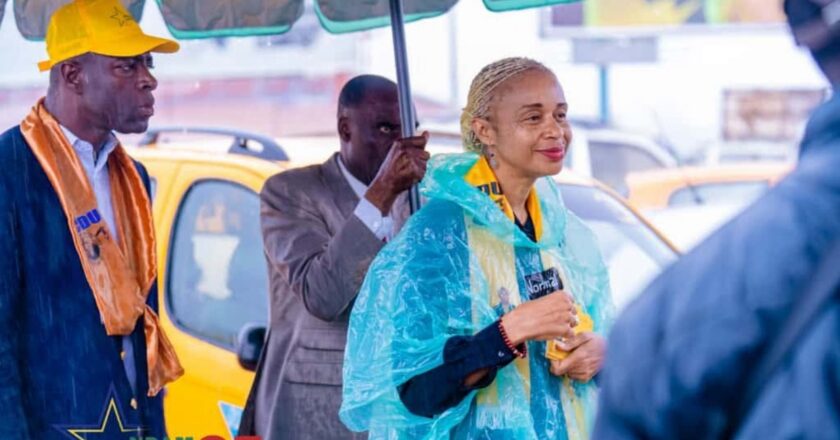
Yaoundé — The suspension of Cameroon’s Front for National Salvation (FSNC) has ignited a fierce debate over whether the government’s move is a justified protective measure or an escalation of political pressure. Critics argue the decision raises serious questions about the balance between security and freedom of expression. Political parties challenge the grounds of the suspension The Democratic Union of Cameroon (UDC), led by Hermine Patricia Tomaino Ndam Njoya, has raised strong objections to the three-month suspension imposed by Territorial Administration Minister Paul Atanga Nji. The UDC questions whether the suspension aligns with legal principles or serves as an additional punitive action beyond judicial proceedings. According to the minister’s order, the suspension stems from all...
Bénin and UAE zero-tariff deal stirs debate: who gains and what’s next?
News

Bénin and UAE zero-tariff deal stirs debate: who gains and what’s next?

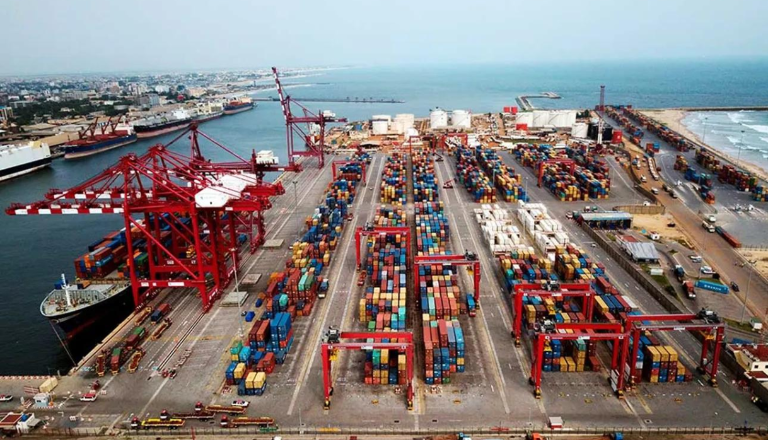
Trade breakthrough or empty promise? Public reactions to the Bénin–UAE tariff deal The landmark agreement between Bénin and the United Arab Emirates, announced during President Romuald Wadagni’s October 2026 visit, has ignited a fierce public debate. While officials celebrate the elimination of duties on over 3,000 products, critics question whether the deal will truly benefit local farmers, artisans, and small businesses. Analysts warn that without robust implementation, the pact could become another missed opportunity for West Africa’s rising economy. What the zero-tariff agreement means for Bénin’s economy At its core, the deal aims to slash customs barriers, giving Bénin’s exporters a competitive edge in the UAE’s lucrative market. Leading officials emphasize its potential to boost ...
Spain grapples with fallout of deadly Urda train collision amid public outcry and safety concerns
International

Spain grapples with fallout of deadly Urda train collision amid public outcry and safety concerns

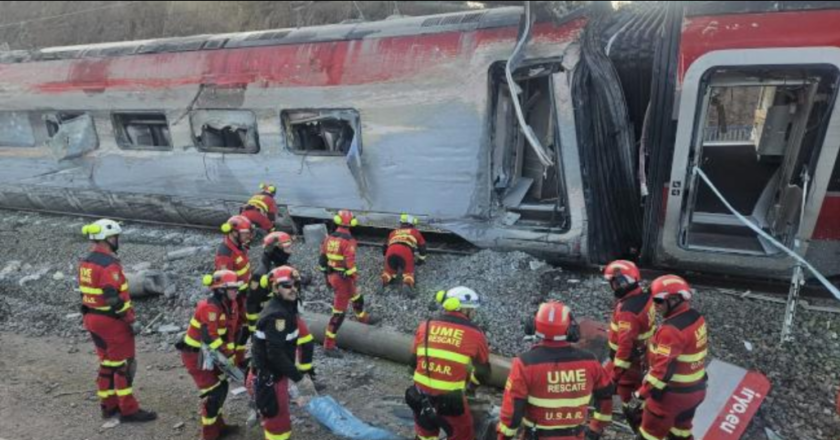
Nation reels as high-speed rail tragedy leaves 46 dead and 179 injured Spain is reeling from its latest railway catastrophe after two high-speed trains collided near Urda in the province of Toledo, leaving at least 46 people dead and 179 injured. The tragic accident has triggered a national debate over rail safety, with families shattered and the government under pressure to prevent future disasters. Rescue efforts reveal extent of devastation after catastrophic impact The collision occurred on a critical rail link connecting Madrid to Andalusia, where a Renfe high-speed train struck a stationary Iryo-operated train. The force of the impact caused multiple wagons to derail, with some vehicles overturned and dangling dangerously off the tracks. Rescue teams faced immense challenges as they...
Mali’s counterterrorism strategy: civilian cost and state legitimacy under scrutiny
News

Mali’s counterterrorism strategy: civilian cost and state legitimacy under scrutiny

The human cost of Mali's militarized counterterrorism What began as a strategic push against armed groups in Mali has devolved into a grim cycle of reprisals, where civilian lives are treated as expendable collateral. The military junta’s counterterrorism operations, increasingly reliant on Russian-backed Africa Corps units, have systematically dismantled the thin veneer of compliance with international humanitarian law that Mali once proudly claimed. Despite ratifying the Geneva Conventions in 1965 and enacting domestic measures to instill military discipline, the operational reality diverges sharply from legal obligations. No longer sporadic incidents, human rights violations have crystallized into a deliberate tactic. Reports now document a systematic pattern of abuses—extrajudicial ki...
Mali’s political elite in the aftermath: what the junta left behind and where opposition goes from here
Uncategorized

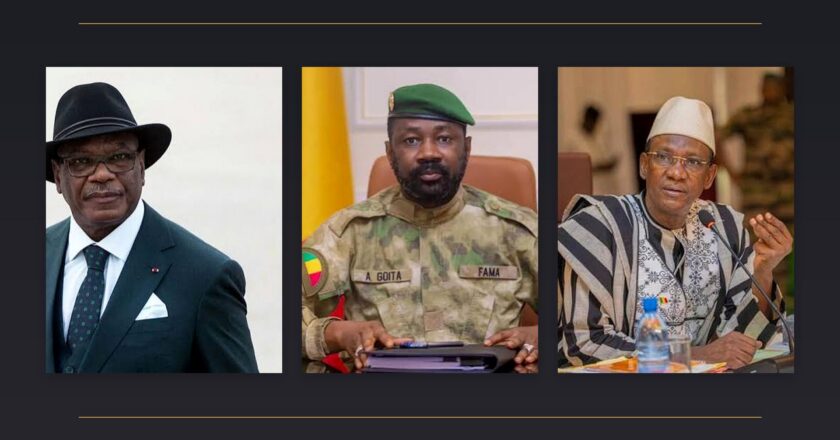
Mali’s political elite in the aftermath: what the junta left behind and where opposition goes from here

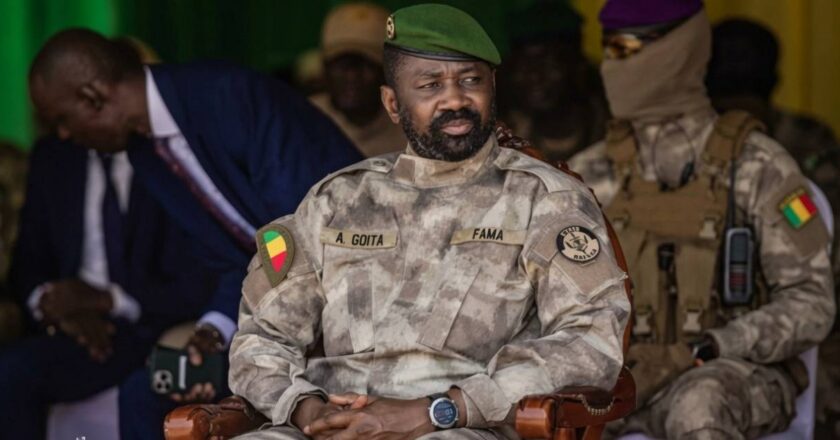
The silent purge: how Mali’s military rulers reshaped the political landscape Once the architects of Mali’s democratic experiment, the country’s political heavyweights now find themselves in uncharted territory. What began as a promise to cleanse the system has morphed into a systematic dismantling of the institutions that once defined the nation’s governance. Since General Assimi Goïta’s ascent and the consolidation of military rule, the old political guard has not merely stepped aside—it has been methodically sidelined, its influence erased through a combination of legal maneuvers, forced displacement, and institutional chokepoints. Three roads to irrelevance: imprisonment, exile, or enforced silence The once-dominant parties—from the ADEMA to the RPM and beyond—now operate in the sha...
Togo’s president heads to Moscow: what changing Russia ties mean for local businesses and families
International

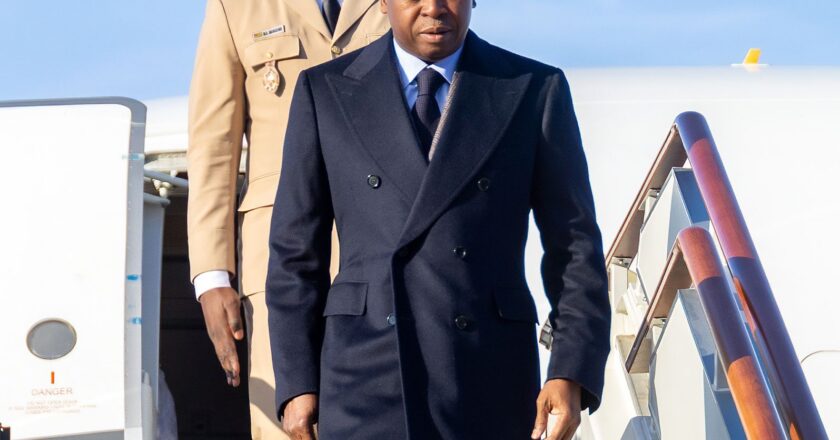
Togo’s president heads to Moscow: what changing Russia ties mean for local businesses and families

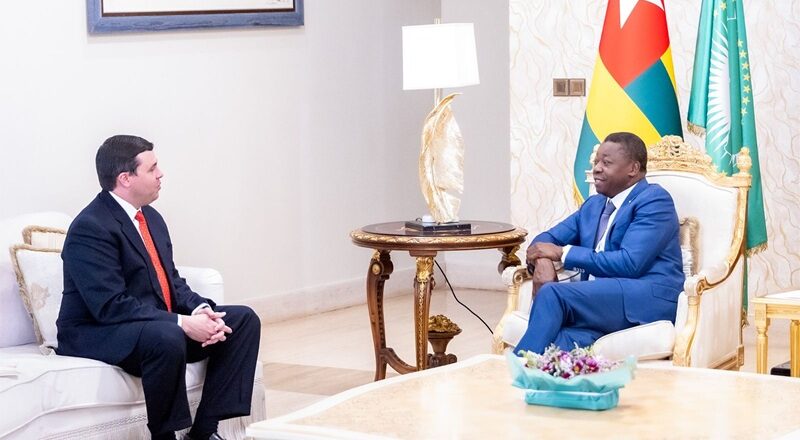
Seeking new economic partnerships amid shifting global alliances, Togo’s President Faure Gnassingbé arrives in Moscow this Wednesday for the third Russia-Africa Summit. The high-level gathering—following editions in Sochi (2019) and Saint Petersburg (2023)—brings together African heads of state and global investors to address trade gaps, investment shortfalls, and development financing. Why this summit matters to everyday Togolese The decisions made in Moscow will ripple through Togo’s farms, ports, and classrooms. With over 60% of the population relying on agriculture and youth unemployment hovering near 15%, the summit offers a lifeline for food security, cheaper fertilizer inputs, and vocational training programs. Lomé’s ambition to become the West African logistics gateway also hinge...
Russia-Africa summit 2026: Goïta’s solo mission raises questions over Sahel unity
Politics

Russia-Africa summit 2026: Goïta’s solo mission raises questions over Sahel unity

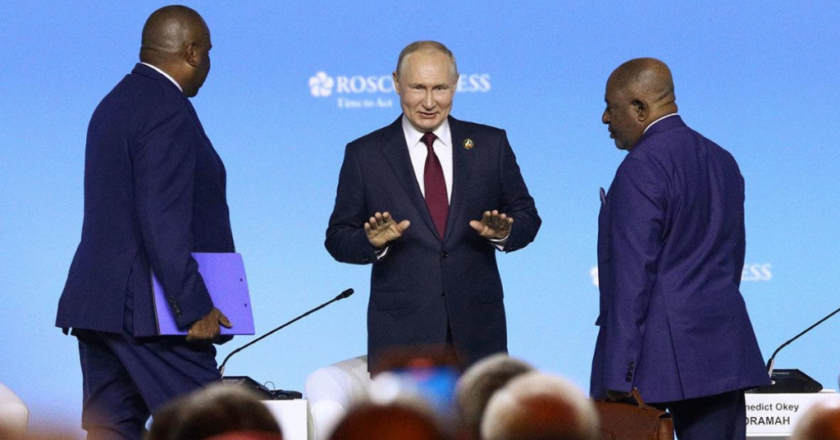
The third Russia-Africa summit, held in Moscow on October 28–29, 2026, has cast a spotlight on the Alliance of Sahel States (AES), where the presence of leaders has become a topic of intense debate. While Malian transitional President Assimi Goïta arrived in the Russian capital at the head of an official delegation, the participation of his counterparts from Burkina Faso and Niger remains shrouded in uncertainty. This stark contrast in representation has fueled speculation about the future of regional cohesion within the alliance. Goïta’s solo mission: Mali takes center stage in Moscow General Assimi Goïta was the only AES leader to make a confirmed personal appearance at the summit. His arrival on October 26 was widely reported, with footage capturing his landing in Moscow and his schedu...
Gabon’s 2034 Eurobond slide sparks investor backlash and policy reckoning
Economy

Gabon’s 2034 Eurobond slide sparks investor backlash and policy reckoning

The Gabonese 2034 Eurobond has been trading below issue price for weeks, with an estimated 8% drop on secondary markets sending shockwaves through investor circles. The revelation, first surfaced in late October 2026, now places Libreville among Africa’s most penalized sovereign issuers over the period, a shift that carries immediate implications for the country’s borrowing capacity and future credit access. The price erosion directly inflates the yield demanded by lenders, effectively raising the cost at which the Gabonese government would need to refinance if it attempted to tap markets today. Global markets turn their back on Gabon’s sovereign signature In the high-stakes world of emerging market debt, an 8% depreciation in just months is anything but trivial for a sovereign credit alr...
Togo’s president to address economic ripple effects at Russia-Africa summit 2026 in Moscow
Economy

Togo’s president to address economic ripple effects at Russia-Africa summit 2026 in Moscow

Togo’s strategic pivot: What the Russia-Africa summit in Moscow means for Lomé’s economy The upcoming third Russia-Africa Summit in Moscow—scheduled from October 28, 2026—marks a pivotal moment for the Togolese government, as President Faure Essozimna Gnassingbé prepares to outline the real-world consequences of renewed partnerships and investment opportunities that could reshape the nation’s economic landscape. This high-stakes diplomatic engagement, hosted by Russian President Vladimir Putin, serves as a platform for African leaders to negotiate trade, investment, and development frameworks that directly impact citizens and businesses across the continent. By securing Togo’s presence at the summit, Lomé aims to leverage key sectors—including food security, agricultural inputs, technica...
Congo elections delay backlash: what happens when democracy is deferred?
Politics

Congo elections delay backlash: what happens when democracy is deferred?

As the Democratic Republic of Congo grapples with yet another postponement of its electoral calendar, the political fallout intensifies across the nation. Opposition leader Delly Sesanga has sharply criticized the delays, warning that deferring elections has become a troubling pattern that risks undermining the country’s fragile democratic institutions. In a recent address from Paris, Sesanga argued that the repeated extensions threaten to normalize instability and leave citizens trapped in a cycle of uncertainty. Why the escalating backlash against election delays? With the electoral process repeatedly pushed back, public frustration has reached a boiling point. Critics argue that the delays are not merely logistical hiccups but deliberate stalling tactics aimed at preserving the statu...