Tuesday, November 3
Niger’s fuel crisis escalates: public reaction to government crackdown on night sales and black market
A la Une

Niger’s fuel crisis escalates: public reaction to government crackdown on night sales and black market

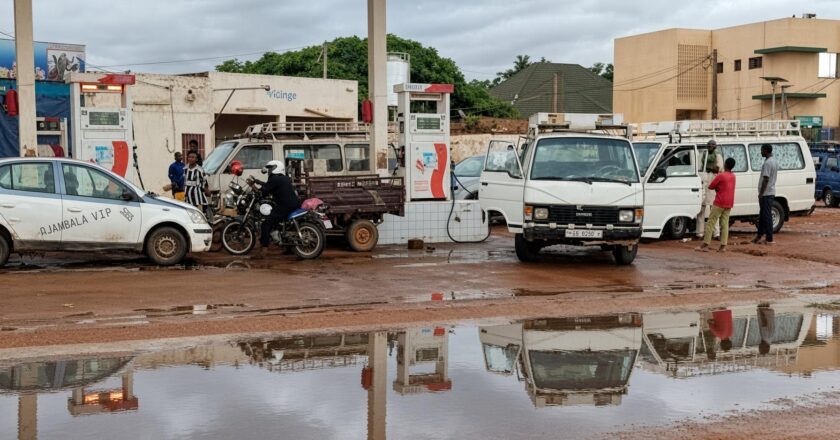
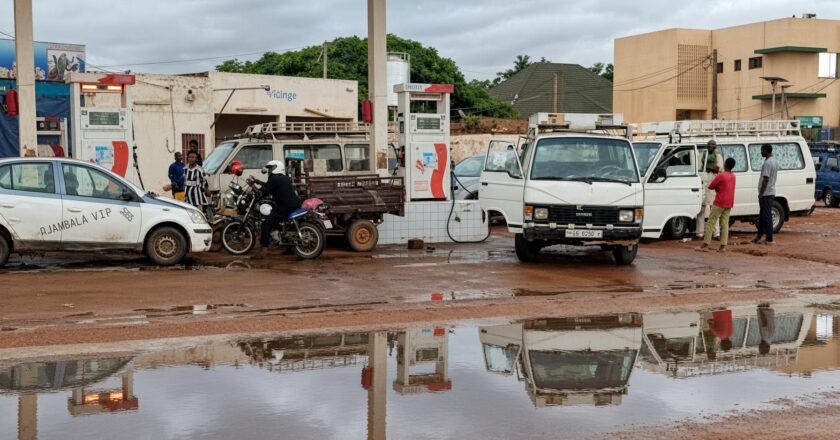
The Nigerien government’s latest attempt to curb the country’s worsening fuel shortage has sparked intense public debate, with critics questioning the effectiveness of recent restrictions and calling for deeper systemic changes. Since October 19, 2026, a joint directive from the Interior, Petroleum, and Trade ministries has enforced nightly closures of fuel stations and banned the sale of fuel in jerrycans—a move the government frames as a temporary measure to streamline supply chains but which opponents argue will exacerbate the crisis. Night curfews at fuel stations ignite public frustration The new restrictions require nearly all fuel stations to shut down between 9 PM and 6 AM, ostensibly to clear the way for tanker trucks from the Société Nigérienne de Pétrole (SONIDEP) to complete d...
Senegal’s debt strategy under scrutiny as Sonko denies restructuring push
Politics

Senegal’s debt strategy under scrutiny as Sonko denies restructuring push

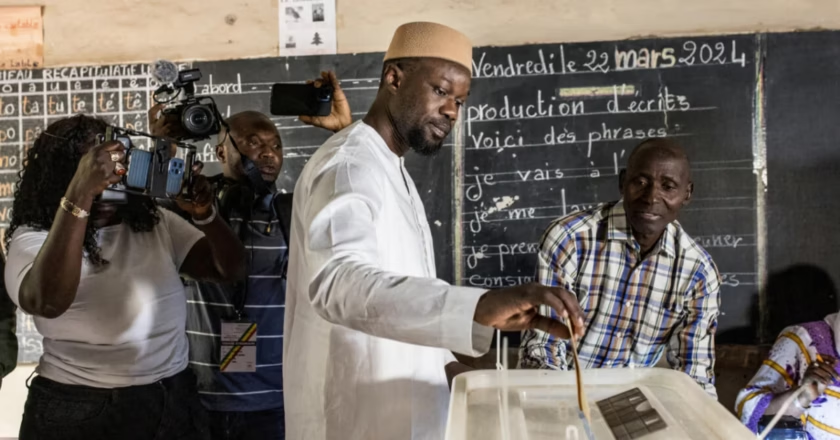
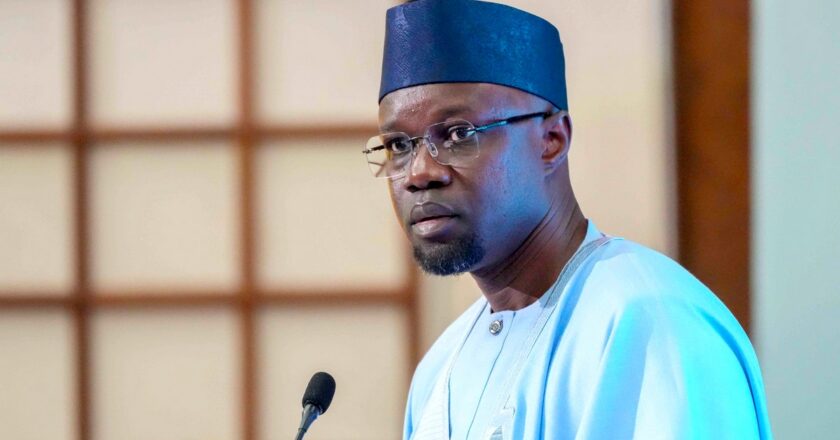
Former Senegalese Prime Minister Ousmane Sonko has doubled down on his debt management strategy, rejecting claims of inaction while addressing mounting criticism over the country’s public finances during his tenure from 2024 to 2026. In a press conference held on October 19, 2026, Sonko defended his administration’s decision to avoid debt restructuring, instead opting for alternative financing solutions with international partners, including the United Arab Emirates. Sonko rejects restructuring amid public backlash Sonko categorically denied ever supporting a debt restructuring plan, despite widespread speculation. He emphasized that his position was shared by key financial officials, including former Finance Minister Abdourahmane Sarr and current Finance Minister Cheikh Diba, along with ...
France’s security crisis: Macron digs in on Nuñez but insists on radical police reform after riots
A la Une

France’s security crisis: Macron digs in on Nuñez but insists on radical police reform after riots

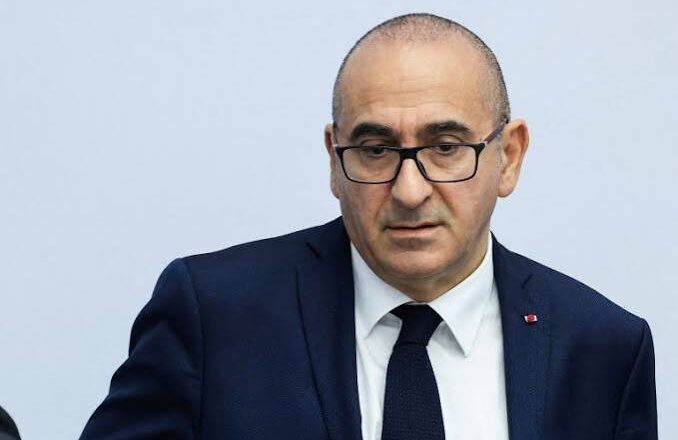
As France grapples with another wave of urban unrest—marked by looting sprees, violent clashes, and hastily erected barricades in major cities—the political fallout has reached a boiling point. In a move that has sparked fierce debate across the nation, President Emmanuel Macron has defied expectations by rejecting the resignation of Interior Minister Laurent Nuñez, despite widespread condemnation of the government’s handling of the crisis. But this decision is far from a blank check. Macron’s refusal to accept Nuñez’s resignation comes with a stark warning: the Interior Minister must immediately overhaul France’s policing strategies or face the consequences. The president’s tough stance signals a critical turning point—one that could redefine how the state responds to civil unrest in the...
Senegal 2027 budget sparks debate amid debt talks and infrastructure push
Politics

Senegal 2027 budget sparks debate amid debt talks and infrastructure push

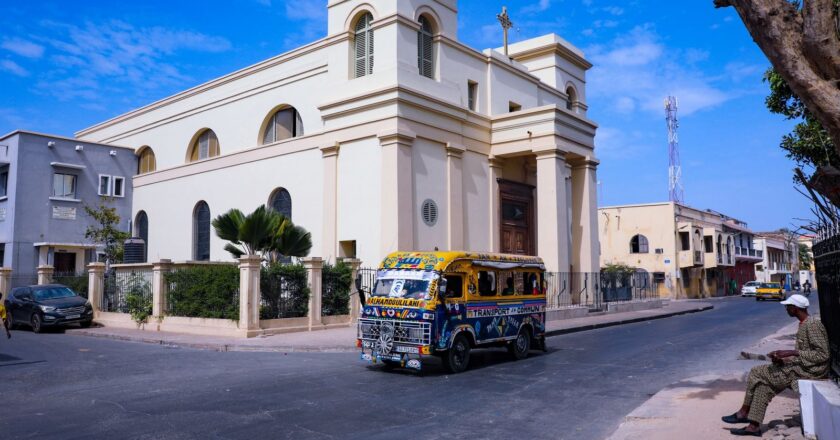
The Senegal 2027 budget proposal unveiled by President Bassirou Diomaye Faye’s administration marks a bold shift toward human capital and infrastructure development, despite mounting pressure from multilateral lenders. At its core, the budget prioritizes three high-profile initiatives: a twelve-school digital education program known as LYNAQE, a second bridge in Ziguinchor, and the digitalization of 15,000 classrooms. These measures reflect the Senegal 2050 strategic framework, a long-term vision unveiled in October 2024 to redefine the country’s economic trajectory. Public debt constraints shape Senegal’s 2027 budget priorities The macroeconomic backdrop casts a long shadow over the budget’s ambitions. Following the revelation in late 2024 that the country’s public debt was significantly...
Mali’s counterterrorism paradox: jihadist strikes on troops fuel civilian casualties amid Africa Corps operations
Actualités

Mali’s counterterrorism paradox: jihadist strikes on troops fuel civilian casualties amid Africa Corps operations

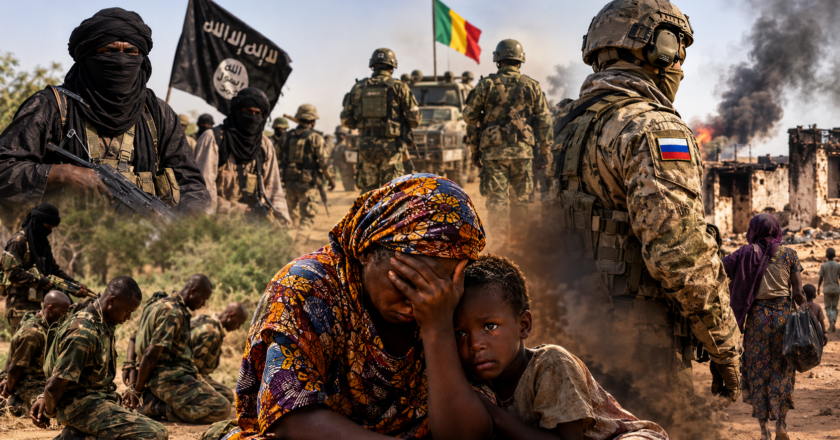
As the Group for the Support of Islam and Muslims (JNIM) continues to inflict devastating losses on Malian soldiers, a troubling trend has emerged civilians are increasingly caught in the crossfire, with reports implicating the Malian army itself in deadly abuses. The juxtaposition of these two crises is sparking fierce debate over whether the country’s security strategy is failing to protect the very people it claims to defend, particularly as external actors like Africa Corps expand their involvement.Dual threats leave civilians vulnerable to both jihadist violence and state-led abusesThe Malian military’s struggle to counter JNIM attacks has been well-documented, with soldiers often falling victim to ambushes and targeted executions. Yet, as the army intensifies its operations, civilian...
Niamey’s fuel scarcity deepens as public outrage grows over government’s failed response
Actualités

Niamey’s fuel scarcity deepens as public outrage grows over government’s failed response

Niamey’s streets are now defined by long, desperate queues outside gas stations that barely hold a drop of fuel. The capital’s energy crisis has escalated, turning a once-manageable shortage into a full-blown humanitarian and economic emergency. Citizens, commuters, and small business owners alike are left grappling with a system that has collapsed under the weight of its own ineptitude. What happens when supply fails to meet demand? The government’s latest attempt to address the crisis—publishing a list of the few stations still receiving fuel—backfired spectacularly. Instead of easing the burden, the poorly executed initiative funneled desperate motorists toward the same locations, creating chaos, gridlock, and even violent confrontations. The absence of a coherent strategy has left aut...
Central African Republic braces for backlash as Russian influence model meets resistance
International

Central African Republic braces for backlash as Russian influence model meets resistance

The Central African Republic stands at a critical juncture as the fallout from Russia’s expanding footprint intensifies, sparking public debate and raising urgent questions about the country’s future. Rising tensions and growing skepticism among citizens, analysts, and regional partners highlight the fragility of the current model and its long-term viability. From promise to polarization: how Russian influence is reshaping public opinion What began as a calculated strategy to stabilize one of Africa’s most fragile states has evolved into a source of deep division. In the streets of Bangui and beyond, narratives about security support, economic dependency, and national sovereignty are colliding, revealing stark contrasts in perception. Analysts point to a widening gap between official narr...
Cameroon’s anglophone crisis: a decade of empty separatist slogans and brutal reality
International

Cameroon’s anglophone crisis: a decade of empty separatist slogans and brutal reality

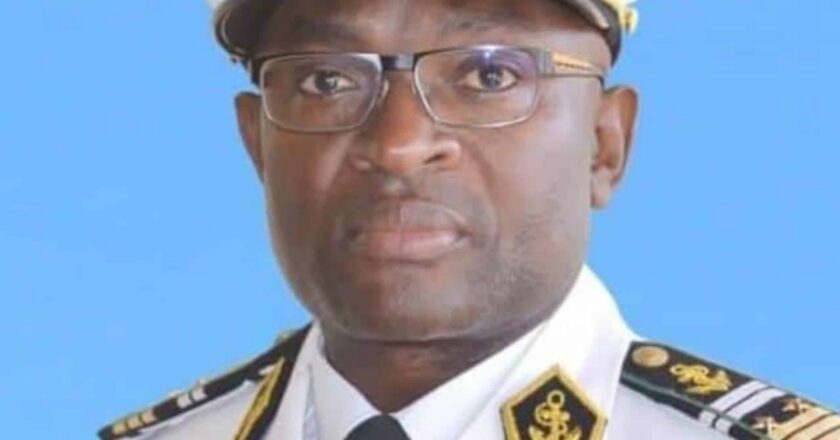
The fallout of a decade: how separatist promises crumbled into chaos As Cameroon marks ten years since the outbreak of anglophone unrest in October 2016, a scathing critique from a high-ranking defense official lays bare what many now see as a calculated deception. Cyrille Atonfack Guemo, a naval captain serving as Director of Communication for the Ministry of Defense, has accused armed separatist groups of hijacking early civic grievances to serve nothing more than their own predatory ambitions. His remarks, delivered in an editorial marking the decade milestone, underscore a growing public reckoning over who truly benefits—and who suffers—in the country’s most protracted conflict. From protests to insurgency: the myth of a spontaneous uprising According to Atonfack Guemo, the armed viol...
Benin’s fuel reserve strategy under fire as public debates future stability
Actualités

Benin’s fuel reserve strategy under fire as public debates future stability

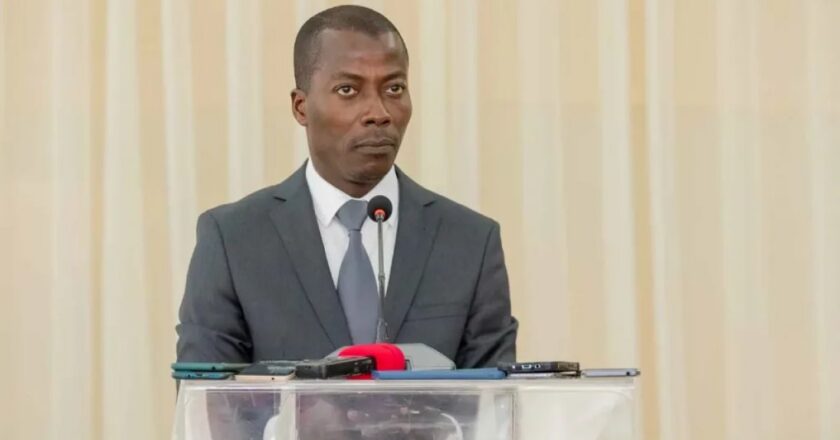
Benin’s fuel reserve strategy under fire as public debates future stability The government’s claim of three to six months of fuel reserves has sparked heated public debate in Benin, with citizens and businesses questioning whether the strategy can withstand shifting demand and rising pump-side pressures. Key figures in the fuel reserves discussion Léandre Wilfried Houngbédji Government reassures amid growing pump queues The government has confirmed that Benin’s strategic fuel reserves now cover three to six months of consumption, doubling previous estimates. Speaking at a national broadcast on Sunday, government spokesperson Léandre Wilfried Houngbédji stated that these reserves could sustain the country for “at least a quarter or even a full six months,” up from ju...
Senegal’s 2027 local elections: early candidacies ignite political fallout and public debate
Politics

Senegal’s 2027 local elections: early candidacies ignite political fallout and public debate

As Senegal gears up for its landmark 2027 local elections, early candidacies have triggered a wave of reactions across the country. Political parties and independent figures are racing to secure key municipal seats, setting the stage for a contentious campaign season. The unfolding announcements are sparking intense public discussions about governance, urban development, and the future of local leadership. Dakar’s Mayoral Race Takes Center Stage In the capital, former presidential adviser Dr. Arona Coumba Ndoffène Diouf has thrown his hat into the ring for the Dakar mayoralty. A member of the Kiiraay party, Diouf outlined his vision to modernize the city, drawing comparisons to urban models like Singapore. His candidacy has intensified local discussions about Dakar’s infrastructure, servi...
Burkina Faso’s history curriculum reform: balancing justice with historical truth
Actualités

Burkina Faso’s history curriculum reform: balancing justice with historical truth

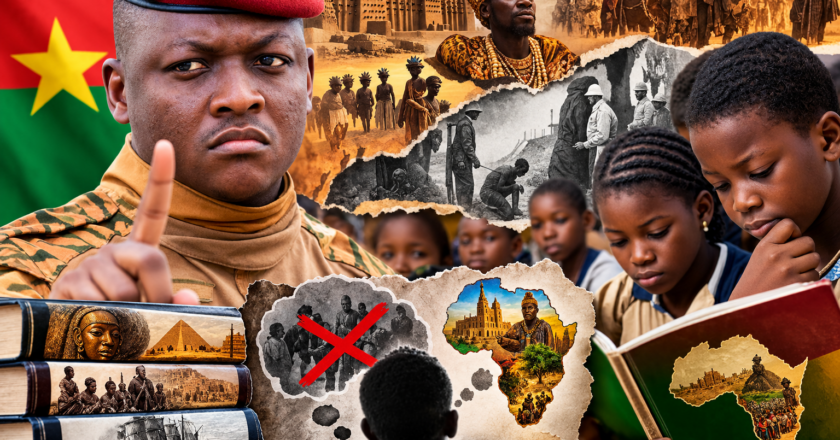
After the dust settles: public debate over Burkina Faso’s revised history syllabusThe Government of Burkina Faso has launched a sweeping overhaul of its middle- and high-school history syllabus, framed as a move toward decolonisation. While the initiative rightly seeks to redress the under-representation of African narratives and to highlight the continent’s pre-colonial legacies, it has provoked urgent questions about how far such reforms should reshape the historical record. More than a pedagogical exercise, this debate touches on the very purpose of education: does it correct injustices by amplifying certain voices at the risk of silencing others, or does it equip young citizens with the intellectual tools to navigate the entirety of their shared past?Why an exclusive narrative risks di...
After massive account purge, what’s next for west african cybercrime networks
Société

After massive account purge, what’s next for west african cybercrime networks

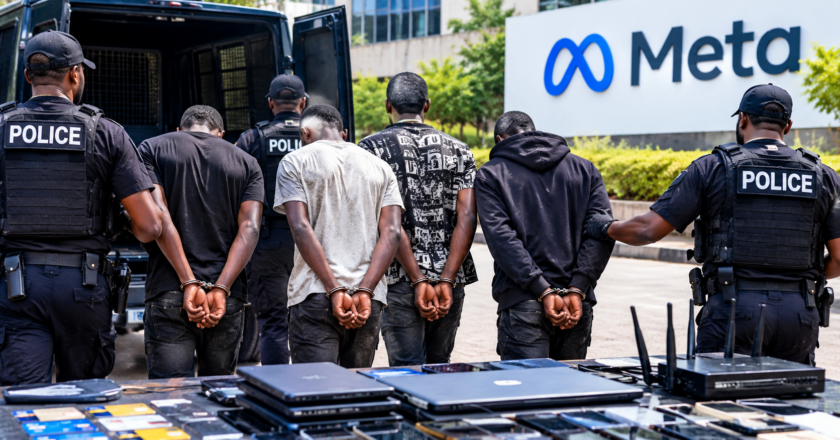
Following one of the most sweeping crackdowns in recent years, the fate of west african cybercrime networks remains uncertain. Meta’s unprecedented removal of over 3.7 million fraudulent accounts, pages, and groups has sent shockwaves through the online underworld. But as security officials scramble to assess the fallout, one question lingers: what’s next for these elusive criminal enterprises? The anatomy of the massive operation An international coalition of tech giants, law enforcement agencies, and cybersecurity experts joined forces in early October 2026 to dismantle fraud networks operating across west Africa. The operation, coordinated by the UK National Crime Agency alongside partners including the US Department of Justice and the FBI, targeted a wide range of fraudulent schemes—...