Olympe Bhêly-Quenum is 100: the essential facts about Benin’s literary giant
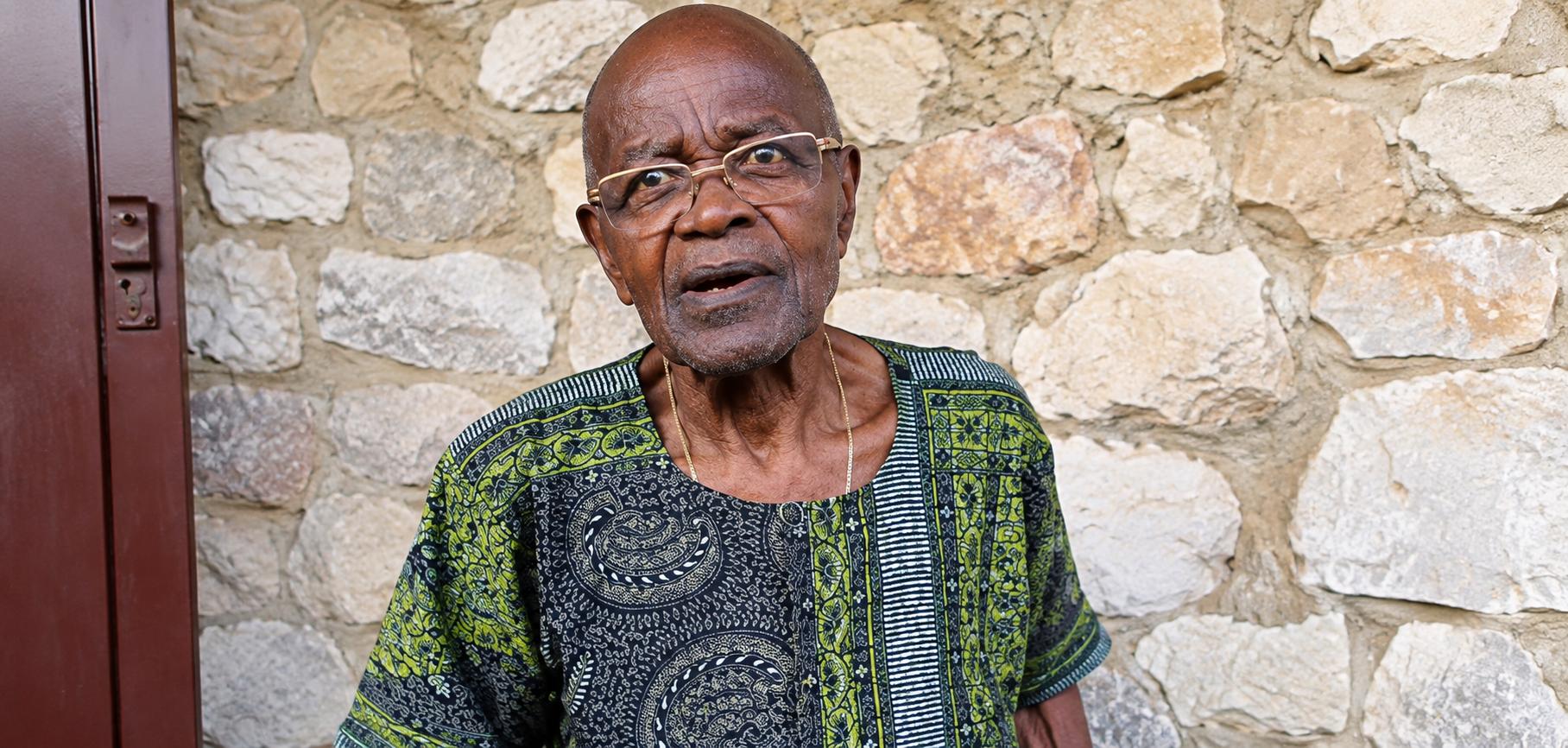
The Beninese and African literary community is marking a rare milestone. Olympe Bhêly-Quenum, born in Ouidah on 20 September 1926, has reached his hundredth year — a full century lived by one of the most influential figures in French-language writing in the second half of the 20th century.
Novelist, short-story writer, journalist and literary critic, he stands today as a central reference point for Beninese letters and for African literature read far beyond the continent.
Key facts at a glance
- Born on 20 September 1926 in Gléxwé (Ouidah), Benin.
- Raised by a mother who was a Great Priestess of Vodoun, inside a noble family linked to the history of the kingdom of Dahomey.
- Studied in Benin and later in France.
- Author of Un piège sans fin (1960), Le Chant du lac (1965) and La Naissance d’Abikou (1998), among other titles.
- Awarded the Grand Prix Littéraire d’Afrique Noire in 1966.
- Director and editor-in-chief of La Vie Africaine, then founder of L’Afrique Actuelle.
Ouidah roots: Vodoun, nobility and the memory of Dahomey
Olympe Bhêly-Quenum was born in Gléxwé, the historic heart of Vodoun culture and worship, and grew up close to a mother who held the rank of Great Priestess of Vodoun. His family belonged to an influential noble line woven into the story of the kingdom of Dahomey.
That double inheritance — spiritual and aristocratic — left a lasting imprint on everything he would write. The sacred, social realism and African mysticism move side by side through his fiction, giving it a texture that readers and scholars continue to study.
The novels that sealed his reputation
After his studies in Benin and then in France, he established himself on the literary scene with a body of work that has become a fixture of school and university syllabuses across the continent.
Un piège sans fin (1960)
His first and most emblematic novel, a poignant drama about destiny and the human condition, is now regarded as a classic of African fiction.
Le Chant du lac (1965)
Crowned with the Grand Prix Littéraire d’Afrique Noire in 1966, this novel stages the tension around Lake Nokoué between progress and its demystifying break with ancestral beliefs.
La Naissance d’Abikou (1998)
A literary journey into the mythical figure of the spirit-child as it appears in Yoruba and Fon cosmogony.
A pioneer of African cultural journalism
Beyond fiction, Olympe Bhêly-Quenum fought an early battle for a genuinely African cultural press. As director and editor-in-chief of the well-known magazine La Vie Africaine, and later as the founder of L’Afrique Actuelle, he worked as an intellectual bridge between writers of the continent and readers around the world, arguing relentlessly for the revaluation of African heritage.
What a hundred years leaves behind
As he turns 100, the dean of Beninese letters leaves behind a living legacy: an unending pen that keeps inspiring new generations of writers and keeps the cultural memory of Benin and Africa in motion.