Niger’s security crisis: general Tiani’s strategic missteps

The general’s gamble: restoring order through force
Two years ago, on July 26, 2023, the military in Niger deposed President Mohamed Bazoum under the pretext of restoring national security. General Abdourahamane Tiani framed the coup as a decisive response to the civilian government’s failure to curb the advance of armed groups across the Sahel. Yet today, the narrative of a power shift bringing stability is colliding with a harsh reality: the threat facing Niger extends far beyond regime change or diplomatic realignments.
A jihadist challenge rooted in ideology
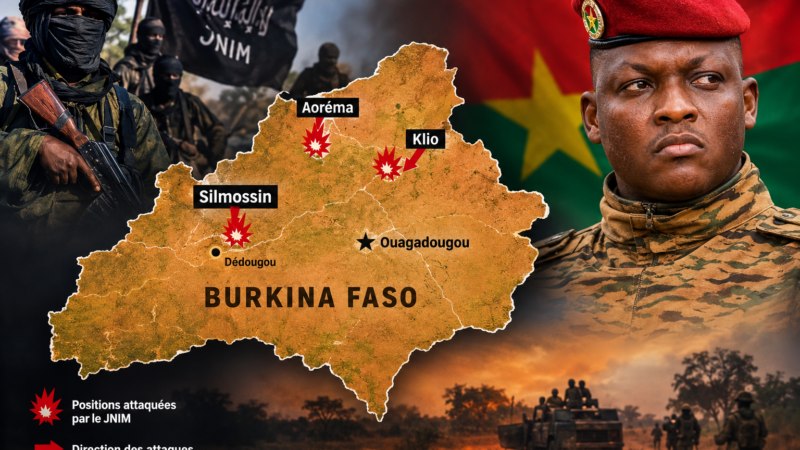
A recent video released by the Jama’at Nusrat al-Islam wal-Muslimin (JNIM), an Al-Qaeda affiliate operating in the Sahel, delivered a blunt message to Niamey. In a direct response to the junta leader’s statements, Sheikh Albani Al-Ansari did not merely challenge the authority of the new regime; he exposed the ideological core of the conflict. His words left no room for interpretation:
« If you abandon the Constitution to govern solely according to Sharia, the war between us will end. Otherwise, it will continue. »
This declaration underscores a fundamental misunderstanding that has shaped the junta’s strategy. General Tiani has built his legitimacy on claims of national sovereignty, framing the withdrawal of foreign forces—particularly France—as a prerequisite for reclaiming security. Yet this geopolitical framing ignores the true objectives of jihadist groups, which are not primarily directed against foreign influence but against the very existence of the modern state.
Beyond diplomacy: the unyielding jihadist agenda
The insurgents’ target is not the presence of Western troops or the identity of Niger’s leaders. Their goal is to dismantle the constitutional order, eradicate state institutions, and replace them with a politico-religious system governed by Sharia. Whether Niamey allies with Russia, the Alliance of Sahel States (AES), or maintains ties with former partners makes no difference to their campaign. Their violence is driven by an ideological mission that transcends borders and international rivalries.
Military rule fails to deliver security
The junta’s assumption that a centralized military government would enhance counter-terrorism efforts has proven flawed. Despite restructuring the security apparatus and reshaping alliances, attacks persist across multiple regions. Jihadist groups continue to exploit ungoverned territories, communal tensions, and the military’s logistical constraints. Their adaptability has allowed them to sustain operations despite shifts in leadership and strategy in Niamey.
The cost of this stalemate extends beyond the battlefield. Regional sanctions imposed after the coup, strained relations with former allies, and reduced development aid have weakened Niger’s economic and diplomatic position. While some restrictions have been eased, their lingering effects limit the government’s ability to fund security operations, maintain public services, and invest in long-term stability.
Sovereignty at what price?
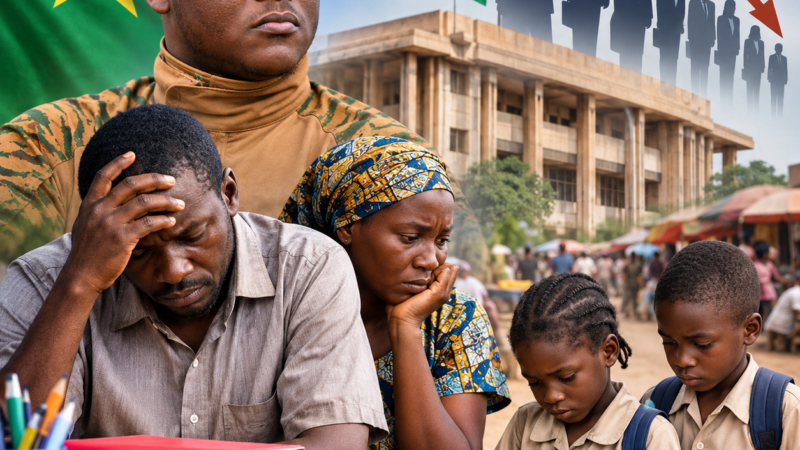
The junta’s pivot toward Russia and other AES members has reinforced its narrative of self-reliance. However, this realignment has not translated into the swift security gains promised. Civilians in conflict zones face persistent threats: deadly attacks, mass displacements, and the collapse of essential services such as schools and healthcare facilities. The human toll of the crisis continues to rise, even as the government seeks to bolster its legitimacy through appeals to religious identity.
A trap of contradictions
The junta’s attempt to co-opt Islamic rhetoric as a tool against extremist propaganda has backfired. For the JNIM, such references are insufficient; they demand the total imposition of Sharia law. Any deviation from this demand renders the regime a legitimate target. This places General Tiani in an impossible bind: abandon the constitutional foundations of the state to end the war, or persist in a conflict with no clear resolution.
The broader lesson for the Sahel is stark. Countering jihadist violence cannot be achieved through slogans of sovereignty or shifting international alliances alone. It requires resilient institutions, a visible state presence across all territories, regional cooperation, economic development, and strategies to address the social fractures that fuel recruitment into armed groups.
For General Tiani, the transition from seizing power to resolving a decade-long conflict has proven far more arduous than anticipated. His reliance on sovereignty as the cornerstone of security policy has raised expectations that cannot be met. The jihadists’ uncompromising stance serves as a reminder: their war is not against a foreign power or a leader, but against the very idea of the Nigerien state. Until this reality is confronted head-on, the country will remain trapped in a cycle of violence and uncertainty.